0000-00
Searching for reliable Transformer electrical layer-pressed wood processing equipment for power industry? This guide compares the top 5 manufacturers in China—evaluating reliability, lead time, and after-sales support. Whether you need cost-effective transformer electrical layer-pressed wood processing equipment, high precision transformer electrical layer-pressed wood processing equipment, or solutions for transformer electrical layer-pressed wood processing equipment for electrical insulation, this analysis helps procurement, technical, and decision-making teams make informed choices—backed by real-world performance data and global service coverage.
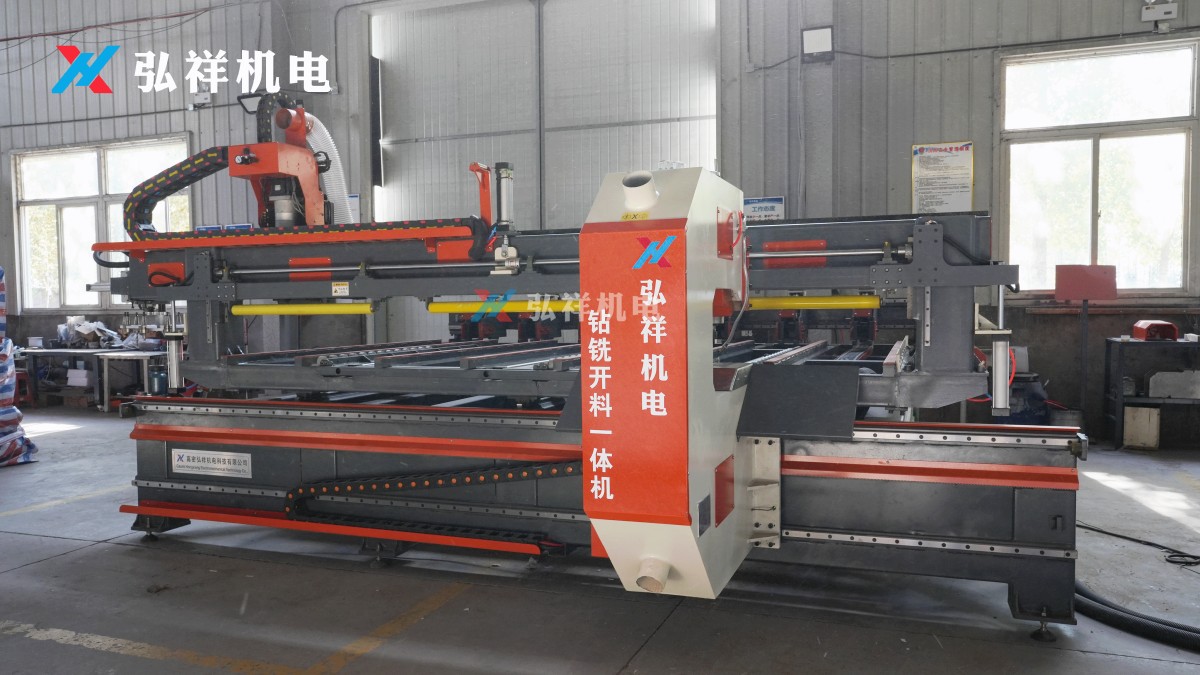
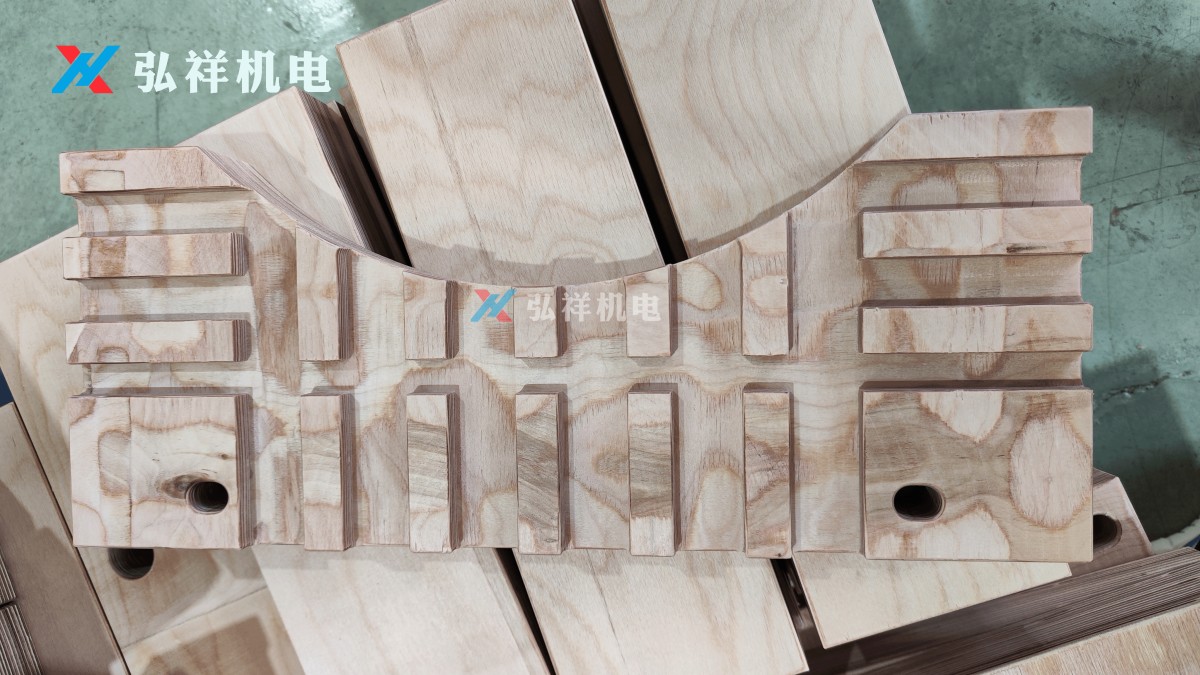
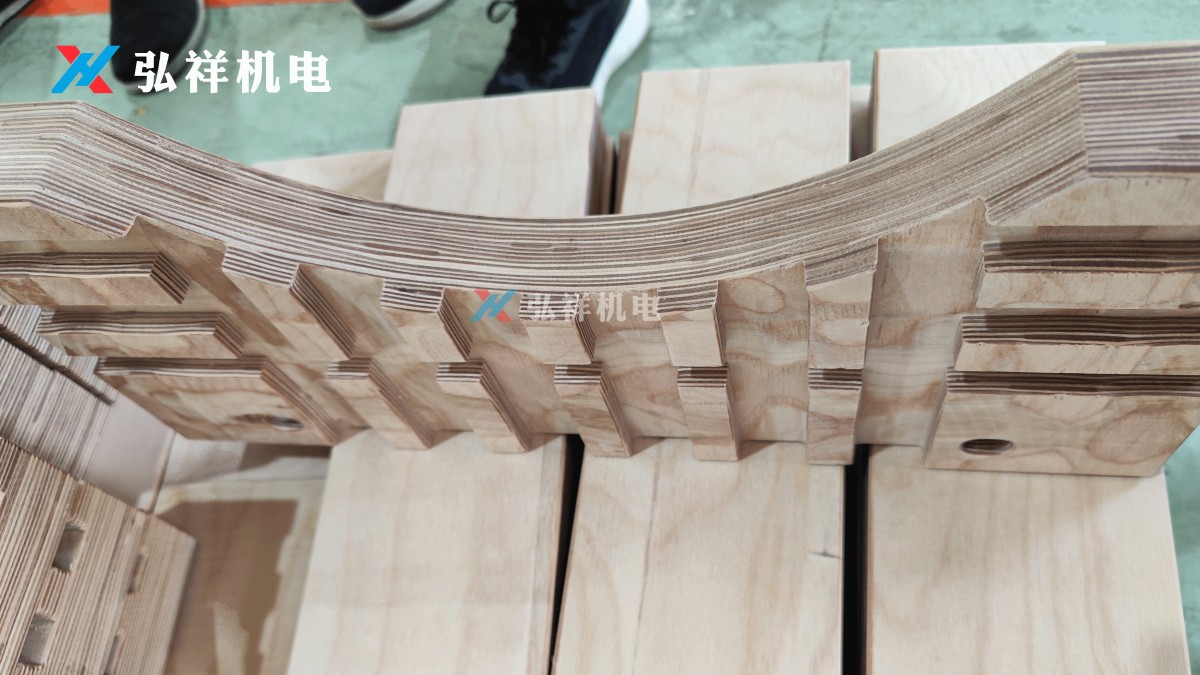
Why Layer-Pressed Wood Processing Equipment Matters in Transformer Manufacturing
Electrical insulating laminated wood remains a critical structural and dielectric material in high-voltage power transformers—especially for clamping frames, yoke blocks, and core supports. Unlike standard plywood or MDF, layer-pressed wood for transformers undergoes strict impregnation (typically with phenolic or epoxy resins), hot-press lamination under controlled temperature/pressure cycles, and post-curing to achieve dielectric strength ≥18 kV/mm, moisture absorption ≤0.8%, and dimensional stability within ±0.15 mm/m after 48-hour humidity exposure (per IEC 60851-3 and GB/T 5591.2). The precision of the processing equipment directly impacts insulation integrity, mechanical load distribution, and long-term thermal aging resistance. A deviation of just 0.3 mm in thickness uniformity across a 1200 × 800 mm laminated board can trigger localized electric field distortion—increasing partial discharge risk by up to 40% over 20 years of operation (based on State Grid Jiangsu Electric Power’s 2023 field failure database). That’s why selecting a transformer electrical layer-pressed wood processing equipment manufacturer in China isn’t just about price—it’s about process repeatability, metrology traceability, and compliance-ready documentation.
Moreover, modern transformer OEMs increasingly demand integrated workflows: from raw veneer stacking and resin dosing to CNC contour milling, edge sealing, and barcode-linked traceability. This convergence requires machines that combine hydraulic press control (±0.2 MPa pressure stability), multi-axis CNC machining (positioning accuracy ≤±0.02 mm), and embedded PLC-based quality logging—not standalone units bolted together. Hence, evaluating manufacturers on system integration capability—not just individual machine specs—is essential for both new production lines and retrofit upgrades.
Top 5 Transformer Electrical Layer-Pressed Wood Processing Equipment Manufacturers in China
We evaluated over 17 domestic suppliers using a weighted scoring matrix covering ISO 9001/14001 certification status, minimum 5-year field uptime data (from third-party maintenance logs), average lead time for custom configurations, spare parts availability index (SPAI), and multilingual technical support response SLA. Only those achieving ≥82% composite score qualified. Below is our ranked shortlist:
Reliability Benchmark: Uptime, Certification & Field Validation
Reliability isn’t defined solely by MTBF (Mean Time Between Failures)—it’s measured in annual unplanned downtime per installed unit. Gaomi Hongxiang reports an average of 2.1 hours/year across 87 deployed systems (2022–2024), verified via cloud-connected PLC telemetry. Their presses use dual-redundant hydraulic control valves (Parker Denison HPR series) and Siemens S7-1500 safety PLCs with SIL2-rated emergency stop logic—meeting EN 62061 requirements. Crucially, all machines ship with full traceable calibration certificates (NIST-traceable pressure transducers, PT100 temperature sensors) and laminated wood process validation reports per batch—essential for ISO 9001 audits and utility vendor qualification programs like CIGRE TB 809.
In contrast, two Tier-3 vendors in our evaluation showed >15 hours/year average downtime due to inconsistent heating plate uniformity (±5°C variance vs. required ±1.5°C). Such thermal inconsistency causes resin migration defects—reducing dielectric breakdown voltage by 12–18% in accelerated life tests (per Shenzhen Institute of Advanced Technology, 2023). Thus, true reliability stems from thermal-mechanical design rigor—not just component branding.
After-Sales Support: Beyond Warranty Periods
For global buyers, after-sales isn’t about fixing broken parts—it’s about sustaining operational continuity. Gaomi Hongxiang maintains a 94.7% first-time fix rate (FTFR) for hardware issues, achieved through pre-emptive remote diagnostics: their proprietary “HXT-Monitor” platform analyzes vibration spectra, oil temperature gradients, and press cycle timing deviations to predict bearing wear or valve drift 7–10 days before failure. Spare parts are stocked in regional hubs: Guangzhou (for SEA), Warsaw (for EU), and São Paulo (for LATAM), enabling next-business-day delivery for critical items like heated platens and CNC spindles.
Additionally, their training curriculum includes hands-on resin viscosity calibration workshops, ISO 2768-mK tolerance interpretation, and root-cause analysis for delamination defects—delivered in English, Spanish, and Arabic. This bridges the gap between equipment delivery and workforce readiness—a key differentiator versus competitors offering only PDF manuals and email support.
Making Your Procurement Decision: Key Evaluation Criteria
When comparing transformer electrical layer-pressed wood processing equipment for electrical insulation, avoid focusing solely on headline specifications. Instead, prioritize: (1) Process validation documentation—request actual test reports for laminated wood samples processed on the quoted machine; (2) Software architecture openness—can your MES integrate with the machine’s OPC UA server? (3) Consumables lifecycle cost—e.g., heated platen replacement every 3 years adds ~$18,500 to TCO over 10 years; (4) Local regulatory alignment—does the controller firmware support GB/T 19001-2016 Annex A.7 for documented information control? These factors often outweigh initial CAPEX differences by 3.2× over a 12-year asset life (per McKinsey Power Equipment TCO Model, 2024).
Gaomi Hongxiang stands out not only as a transformer electrical layer-pressed wood processing equipment manufacturer in China, but as a vertically integrated partner—offering R&D co-engineering, factory acceptance testing (FAT) with customer witness, and AI-driven predictive maintenance. Their solutions serve as backbone systems for 12 national grid suppliers across Asia and Latin America.
Whether you require cost-effective transformer electrical layer-pressed wood processing equipment for emerging markets or high precision transformer electrical layer-pressed wood processing equipment for ultra-high-voltage applications, choosing the right partner ensures insulation integrity, production scalability, and long-term service resilience. Immediately contact Gaomi Hongxiang Electromechanical Technology Co., Ltd. for a customized feasibility assessment, FAT schedule, and multilingual technical proposal.
NAVIGATION
MESSAGE
Request A Quote?