0000-00
What Drives Low Maintenance in Transformer Core Design?
For after-sales maintenance teams, understanding what creates transformer core low maintenance performance is key to reducing downtime, inspection frequency, and service costs.
From precision material selection to stable manufacturing processes, every detail in transformer core design affects long-term reliability.
This article explores the main factors behind low-maintenance core structures and shows how smarter design supports safer operation, easier servicing, and better lifecycle value.
Why Transformer Core Low Maintenance Matters in Real Service Work
A transformer core is not just a magnetic path.
It directly affects temperature rise, vibration, noise, energy loss, and insulation stress.
When the core is designed well, maintenance becomes simpler.
When the design is weak, small issues often grow into repeated service calls.
That is why transformer core low maintenance design is not only a factory concern.
It is also a field reliability issue.
In practical service work, the most common core-related problems include abnormal noise, loosening, overheating, local insulation aging, and increased no-load loss.
A low-maintenance transformer core reduces the chance of those failures appearing early.
It also makes inspection findings more predictable.
Core Material Choice Is the First Driver
The first foundation of transformer core low maintenance performance is material quality.
High-grade grain-oriented silicon steel remains the standard choice for many power transformer applications.
Its magnetic consistency supports lower core loss and more stable operation.
That stability matters over years, not just during factory tests.
Material thickness also matters.
Thinner laminations usually help reduce eddy current loss.
This lowers heat generation inside the core.
Less heat means less thermal stress on nearby insulation parts.
And that directly supports transformer core low maintenance goals.
Surface coating is another detail that often gets underestimated.
A stable insulating coating helps prevent interlaminar short circuits.
Once those shorts begin, hot spots and loss growth often follow.
From a service viewpoint, better material means fewer hidden defects to chase later.
Precision Cutting and Stacking Reduce Future Failures
Material alone does not guarantee a low-maintenance transformer core.
Processing accuracy is equally important.
Poor burr control can damage coating layers and create local magnetic imbalance.
That kind of defect may look minor at first.
Over time, it can raise losses, noise, and operating temperature.
Step-lap joint design is widely used for a reason.
It helps smooth magnetic flux transfer at the joints.
This reduces local flux concentration and audible noise.
For maintenance teams, lower vibration usually means fewer loosening issues later.
Stacking uniformity matters as well.
If lamination alignment is inconsistent, clamping pressure may become uneven.
Uneven pressure increases the risk of core movement during transport or operation.
That is a common path to repeat inspection work.
Clamping Structure Plays a Bigger Role Than Many Expect
One strong sign of transformer core low maintenance design is long-term mechanical stability.
That stability depends heavily on the clamping system.
A well-designed structure keeps the core tight without creating unnecessary stress points.
If clamping is too loose, vibration can grow.
If it is too tight, laminations and insulation components may deform.
Good designs control both pressure level and pressure distribution.
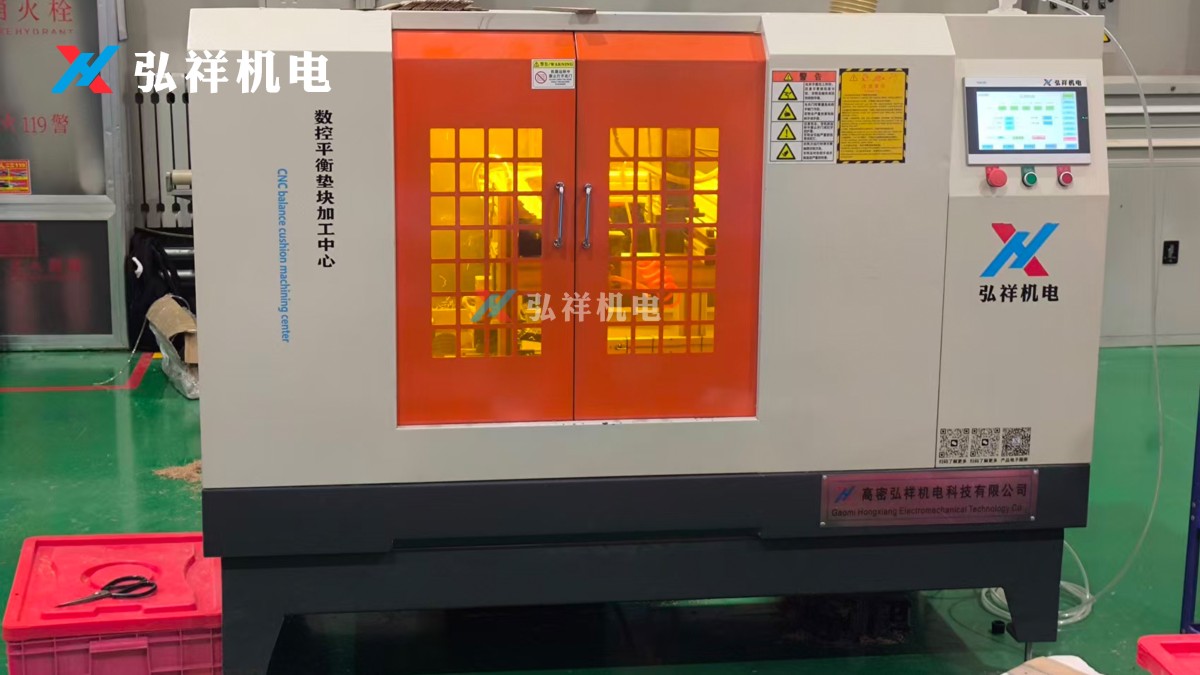
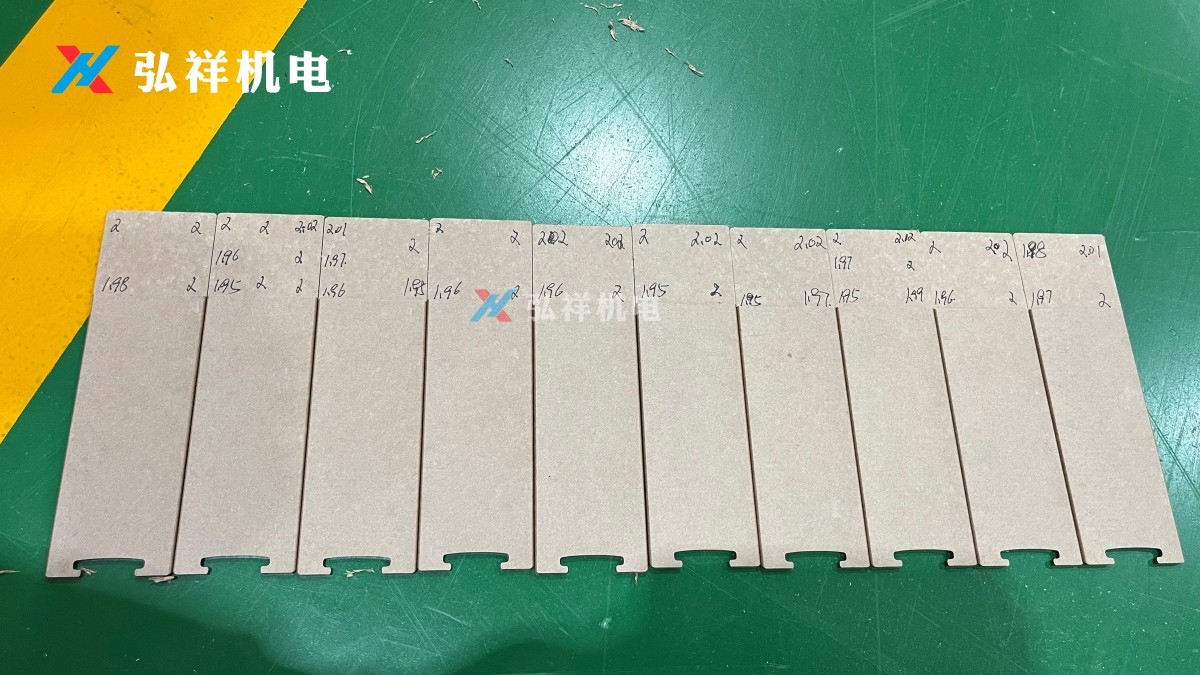
Insulating laminated wood and electrical insulating cardboard are important here.
These materials help maintain dimensional stability and electrical separation.
When manufactured accurately, they support consistent core compression over time.
Gaomi Hongxiang Electromechanical Technology Co., Ltd. focuses on assembly and manufacturing services for power transformers and related insulating components.
That integrated capability helps improve fit, repeatability, and lifecycle consistency.
Insulation Compatibility Supports a Low-Maintenance Transformer Core
Transformer core low maintenance performance is not only about magnetic steel.
It also depends on how the core interacts with the full insulation system.
Poor compatibility between core parts and insulation materials can accelerate aging.
This is especially true under thermal cycling and short-circuit stress.
Stable insulating cardboard, laminated wood, and precision insulating parts help control spacing and support.
They also reduce the chance of displacement during handling and service life.
In real projects, core stability and insulation stability should be checked together.
If one side is neglected, the maintenance burden usually returns in another form.
- Use insulation materials with proven thermal endurance.
- Check compression recovery after assembly and drying.
- Confirm dimensional consistency for repeated batches.
- Review oil compatibility where applicable.
Thermal and Vibration Control Are Core Maintenance Indicators
If a maintenance team wants quick clues, heat and vibration are strong indicators.
A low-maintenance transformer core usually runs cooler and quieter.
That does not happen by chance.
It comes from balanced magnetic design, accurate assembly, and steady clamping force.
Excess heat often points to local losses or circulation paths that should not exist.
Excess vibration often suggests mechanical movement, poor joint design, or pressure relaxation.
From a service standard perspective, trend monitoring works better than isolated readings.
A rising noise signature or gradual hot spot pattern deserves attention early.
Catching that trend early is one of the clearest benefits of transformer core low maintenance thinking.
Manufacturing Consistency Decides Whether Design Works in the Field
A strong drawing is only the starting point.
Transformer core low maintenance results depend on how consistently the design is manufactured.
This includes cutting precision, burr control, stacking sequence, drying process, assembly discipline, and final inspection.
When batch consistency is weak, maintenance patterns become unpredictable.
That raises spare parts risk and complicates service planning.
An enterprise that integrates R&D, design, production, sales, installation, training, and after-sales service can often close this loop faster.
That matters when customers expect dependable transformer performance across different markets and operating conditions.
The same logic applies whether products serve domestic projects or exports to Southeast Asia, South America, India, Pakistan, Russia, and other regions.
What Maintenance Teams Should Check Before Problems Grow
Even with a low-maintenance transformer core, field checks still matter.
The difference is that good design makes those checks more efficient and meaningful.
- Track no-load current and loss trends against baseline values.
- Listen for changes in hum level, rhythm, or localized buzzing.
- Check temperature distribution, not only peak temperature.
- Review transport history if new vibration symptoms appear.
- Inspect fastening condition during planned shutdown windows.
- Compare insulation support condition with prior records.
These steps are practical because they connect design intent with real operating evidence.
That makes transformer core low maintenance a measurable outcome, not just a sales claim.
A Simple View of Low-Maintenance Core Design Priorities
Final Takeaway
In the end, transformer core low maintenance performance comes from disciplined design choices and even more disciplined manufacturing.
The most reliable cores combine quality magnetic steel, precise processing, stable clamping, and durable insulation support.
For long-term service success, those elements must work together, not separately.
If you are evaluating transformer design quality, start with the core.
It often tells you how much maintenance the equipment will demand later.
And in real operations, that is where lifecycle value becomes visible.
NAVIGATION
MESSAGE
Request A Quote?