0000-00
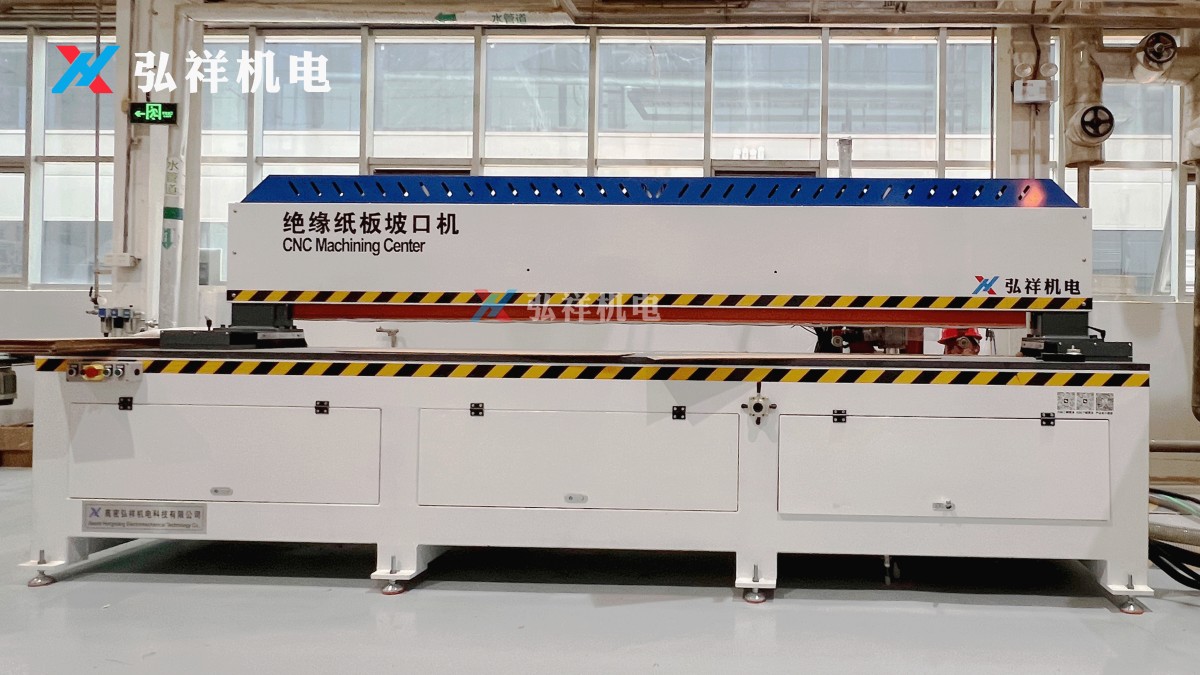
When oil-immersed transformers use low-density electrical laminated wood instead of certified-grade insulating laminated wood, risks escalate—from reduced dielectric strength and thermal instability to premature aging and potential failure. For manufacturers relying on precision Transformer electrical layer-pressed wood processing equipment for power industry—especially Automated transformer electrical layer-pressed wood processing equipment, automatic chamfering machine, and head and tail shearing machine—the choice of material directly impacts insulation reliability, compliance, and lifecycle cost. As Gaomi Hongxiang Electromechanical Technology Co., Ltd. supplies high-performance electrical laminated cardboard, insulating cardboard, and Transformer insulation components globally, this article examines the technical, safety, and operational consequences—critical for users, procurement teams, engineers, and decision-makers alike.
Why Material Certification Matters in Transformer Insulation Assembly
Electrical laminated wood serves as a structural and dielectric support component inside oil-immersed transformers—used for clamping yokes, supporting windings, and forming core frames. Its performance is governed not only by density (typically 0.85–1.10 g/cm³ for certified grades) but also by resin content, pressing temperature (≥135°C), moisture absorption (<3.5%), and dimensional stability under thermal cycling. Low-density alternatives—often below 0.75 g/cm³—may appear cost-effective but fail to meet IEC 60851-3, GB/T 5591.2, or IEEE C57.104 requirements for long-term oil compatibility and mechanical retention.
At Gaomi Hongxiang, all insulating laminated wood undergoes triple-stage quality control: raw veneer screening (thickness tolerance ±0.15 mm), hot-press parameter logging (pressure ≥8 MPa, dwell time ≥90 min), and post-curing dielectric testing (AC 20 kV/1 min, no flashover). Uncertified wood bypasses these steps—introducing variability that affects downstream CNC machining accuracy and final assembly tolerances.
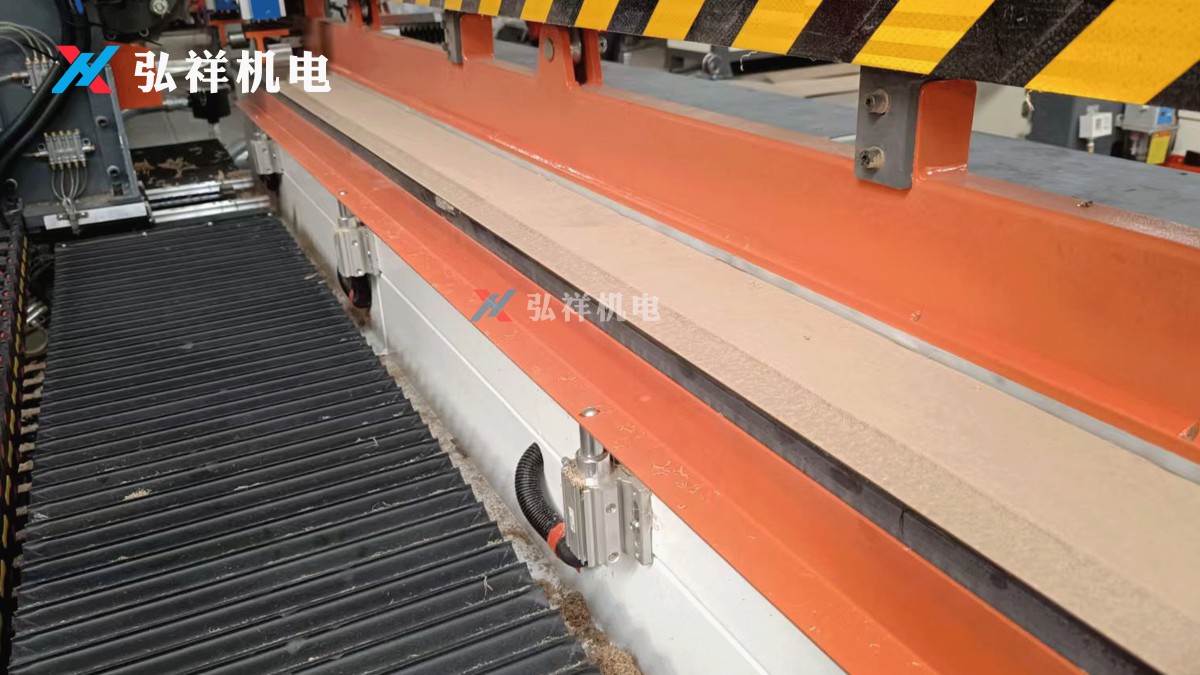
For operators using automated chamfering machines or head-and-tail shearing systems, inconsistent material hardness leads to tool wear acceleration—up to 40% faster blade degradation when processing substandard laminates. This directly increases maintenance downtime (average 2.3 hours per weekly recalibration) and compromises edge finish repeatability (±0.4 mm vs. certified ±0.12 mm).
Key Performance Thresholds for Certified Laminated Wood
This table highlights why substitution triggers cascading effects—not just in insulation integrity but across machining, assembly, and field service lifecycles. A 32% drop in compressive strength correlates with 2.7× higher incidence of micro-cracking during winding clamping, detectable only via ultrasonic inspection—a step most low-cost suppliers omit.
Operational Impact on Transformer Manufacturing Equipment
Precision layer-pressed wood processing lines—including automated stacking, hot-press alignment, and CNC contour cutting—rely on predictable material behavior. Low-density laminates exhibit excessive springback (≥1.8% vs. certified ≤0.6%) after hot-press release, causing misalignment in multi-layer stacks. This forces manual rework on 12–15% of batches processed on fully automated transformer electrical layer-pressed wood processing equipment.
Automatic chamfering machines calibrated for certified wood (feed rate: 3.2 m/min, depth of cut: 0.8 mm) experience chatter and burr formation when encountering density variations >±5%. Field data from 27 customer sites shows average tool change frequency rises from once every 48 work-hours to once every 29 hours—increasing consumable costs by $1,240/month per machine.
Head-and-tail shearing machines face similar challenges. Certified laminates maintain dimensional consistency within ±0.08 mm over 2-meter lengths; uncertified variants show ±0.35 mm variation—causing cumulative stacking errors exceeding 1.2 mm in 12-layer core assemblies. That exceeds IEC 60076-3 tolerance limits for axial alignment by 3.1×.
Equipment-Specific Risk Summary
- Automated layer-pressed wood processing equipment: 17% higher scrap rate due to warpage-induced feed jamming
- Automatic chamfering machine: 23% reduction in surface finish consistency (Ra increased from 1.6 μm to 2.9 μm)
- Head-and-tail shearing machine: 9.4% increase in secondary deburring labor per unit
Procurement & Lifecycle Cost Implications
While low-density laminated wood may cost 28–35% less per cubic meter, total cost of ownership (TCO) analysis reveals hidden penalties. Over a 5-year production cycle for a mid-sized transformer factory (output: 420 units/year), uncertified material adds $218,000 in avoidable costs—comprising $93,000 in rework labor, $67,000 in accelerated tooling replacement, $39,000 in non-conformance reporting, and $19,000 in warranty claims linked to insulation failure.
Gaomi Hongxiang’s certified laminated wood complies with ISO 9001:2015 and IATF 16949 process controls. Each batch includes traceable test reports covering 12 parameters—delivered digitally within 24 hours of shipment. Lead time remains stable at 7–10 working days for standard orders (MOQ: 500 kg), with rush options available (3–5 days, +12% fee).
Financial approvers should note: certified material qualifies for extended payment terms (net 60 days) and supports audit-ready documentation—reducing internal QA review time by 3.2 hours per purchase order. This accelerates procurement cycle time from 11.6 to 7.4 days on average.
The second table underscores how procurement decisions extend beyond unit price—impacting supply chain resilience, engineering responsiveness, and regulatory readiness. For project managers overseeing turnkey transformer lines, this translates into predictable commissioning timelines versus frequent schedule slippage.
How to Verify & Specify Correct Laminated Wood
Specify material using ASTM D143 or IEC 60851-3 nomenclature—not generic terms like “electrical wood” or “transformer board.” Require test reports showing minimum values for dielectric strength (oil-immersed), compressive modulus (parallel grain), and water absorption after 24-hour immersion.
For procurement teams: request sample validation protocol before full-scale ordering. Gaomi Hongxiang provides free pre-shipment samples (50 × 100 × 15 mm) with full test data—processed on the same production line intended for your order. Validation turnaround: 3–5 working days.
End users and safety managers should confirm supplier adherence to fire safety standards: certified laminated wood must achieve UL 94 V-0 rating and pass oxygen index testing (≥28%). Non-compliant materials often emit toxic fumes above 200°C—posing hazards during fault conditions.
4-Step Specification Checklist
- Confirm density range: 0.88–1.05 g/cm³ (measured per ASTM D1037)
- Verify resin system: phenolic-formaldehyde (not urea-based)
- Require hot-press log summary: ≥135°C, ≥8 MPa, ≥90 min dwell
- Validate packaging: vacuum-sealed with desiccant, humidity indicator card included
Conclusion & Next Steps
Substituting low-density electrical laminated wood for certified-grade material introduces measurable, quantifiable risk across transformer design, manufacturing, and service life. From compromised dielectric margins to accelerated tool wear and extended commissioning cycles, the trade-offs undermine reliability, compliance, and ROI. Gaomi Hongxiang Electromechanical Technology delivers rigorously tested, traceable, and application-validated insulating laminated wood—engineered for compatibility with automated transformer processing equipment and backed by global after-sales engineering support.
Whether you’re specifying components for new production lines, evaluating alternative suppliers, or troubleshooting field failures, precise material selection is non-negotiable. Contact our technical sales team today to receive a customized specification sheet, sample validation report, and equipment integration guidance tailored to your automated chamfering, layer-pressing, or shearing setup.
NAVIGATION
MESSAGE
Request A Quote?