0000-00
When evaluating delivery reliability, business buyers often find that orders from a Transformer electrical layer-pressed wood processing equipment supplier in India are delayed by supply chain gaps, customization demands, technical clarification cycles, and after-sales coordination issues.
In machine tool equipment projects, these delays affect installation plans, transformer insulation output, labor scheduling, and capital turnover. Understanding the real causes helps reduce uncertainty before signing.
For projects involving insulating laminated wood, insulating cardboard, EVA molding, and transformer assembly support, delivery timing depends on more than factory production speed alone.
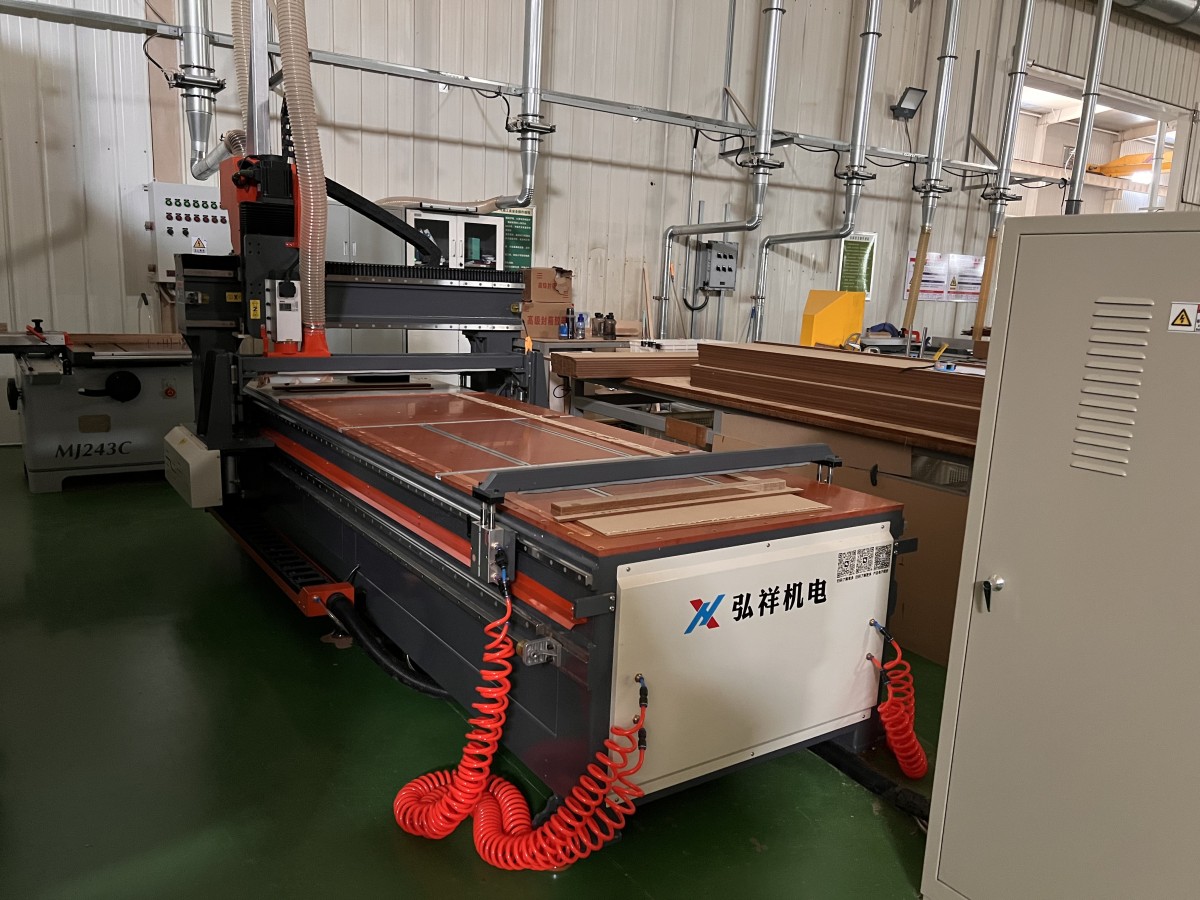
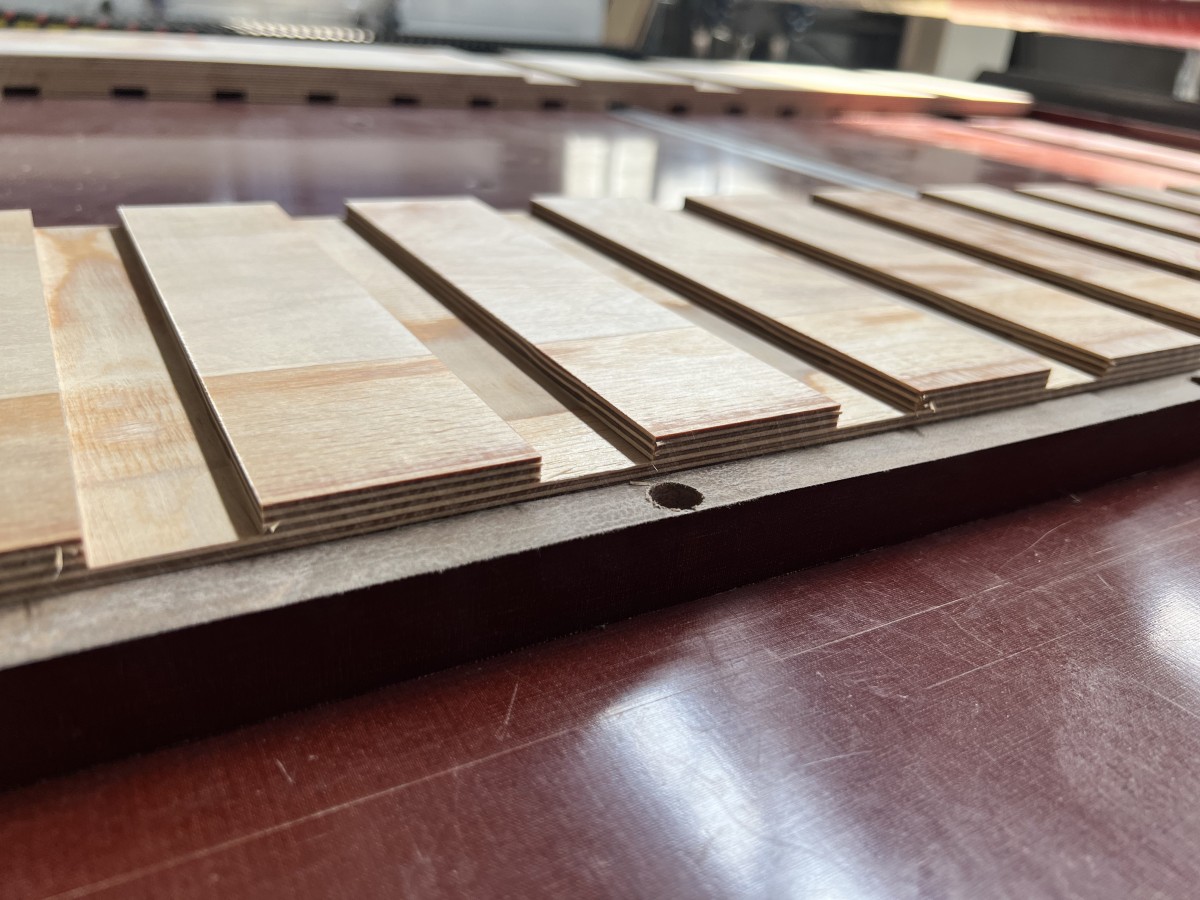
Why delivery risk changes across different purchase scenarios
A Transformer electrical layer-pressed wood processing equipment supplier in India may perform well in one order type, yet struggle in another. The delay pattern often depends on application complexity.
Standard cutting, pressing, slotting, shaping, and drilling machines usually move faster. Integrated production lines for transformer insulation parts often require longer confirmation cycles.
That is why delivery evaluation should match the actual scene, not just a quoted lead time. Different machine tool equipment needs create different bottlenecks.
Scenario one: standard machine orders still face component and material delays
Even for standard equipment, a Transformer electrical layer-pressed wood processing equipment supplier in India can face shortages of motors, servo systems, PLC units, bearings, and electrical accessories.
Imported control parts may create waiting periods. Local substitutions can also trigger new testing, which pushes delivery further than the original quotation promised.
Steel structure fabrication may be finished on time, but final shipment usually waits for electrical integration, calibration, and no-load testing completion.
Core judgment points in standard equipment cases
- Whether the supplier stocks critical control components.
- Whether substitute brands need customer approval.
- Whether testing standards are clearly defined before production.
- Whether export packing is included in the promised lead time.
Scenario two: customized transformer insulation machinery causes longer clarification cycles
Customized projects are the most common source of delay for a Transformer electrical layer-pressed wood processing equipment supplier in India.
Machines for electrical layer-pressed wood often require exact dimensions, board thickness range, slotting depth, surface finish targets, tool type, and automation level.
If the technical scope is incomplete, drawings may be revised repeatedly. Every revision affects procurement, machining, wiring, programming, and final acceptance timing.
This happens often when the buyer requests one machine for multiple transformer insulation tasks without defining production priorities.
Typical customization issues that extend lead time
- Late changes in workpiece size or material density.
- Requests for extra fixtures after fabrication starts.
- Unclear requirements for dust collection or safety protection.
- New automation functions added after software design begins.
Scenario three: line integration projects are delayed by coordination, not only manufacturing
A single machine is easier to deliver than an integrated solution. This is especially true when transformer insulation manufacturing needs several linked workstations.
A Transformer electrical layer-pressed wood processing equipment supplier in India may need to coordinate feeders, conveyors, dust extraction, tooling, and operator interfaces.
If one subcontracted item arrives late, the whole line test is postponed. Shipment then waits because system compatibility has not been verified.
This type of delay is common in projects supporting transformer core insulation components, laminated wood shaping, and special machine manufacturing for AI-related processes.
What to verify in integration orders
- Who owns the full system schedule.
- Which units are made in-house or outsourced.
- Whether FAT covers linked operation or only standalone testing.
- Whether installation conditions are frozen before shipment.
Scenario four: export and after-sales arrangements can postpone dispatch
A Transformer electrical layer-pressed wood processing equipment supplier in India may finish production, yet shipment still waits due to export documents, inspection needs, or service planning.
For overseas destinations, packing lists, electrical manuals, wiring diagrams, customs descriptions, and crate preparation must be aligned. Errors create avoidable hold time.
Some projects also delay dispatch until installation engineers, remote commissioning support, or training schedules are confirmed.
This matters when machine tool equipment is intended for immediate transformer production startup and downtime windows are narrow.
How different order scenarios create different delay patterns
Practical ways to match supplier promises with real project conditions
Comparing only quoted weeks is not enough. A Transformer electrical layer-pressed wood processing equipment supplier in India should be assessed against actual machine scope and delivery readiness.
- Request a lead-time breakdown for design, procurement, assembly, testing, packing, and shipment.
- Ask which items are long-lead and whether equivalents are pre-approved.
- Lock material samples for insulating laminated wood before final machine design.
- Define FAT criteria for precision, throughput, and surface quality.
- Confirm whether software changes after FAT affect warranty or schedule.
- Include export packaging, manuals, and remote training in the contract timeline.
Common misjudgments that make order delays more likely
Many delays begin before production starts. The first mistake is treating special machine equipment like standard catalog machinery.
The second mistake is giving only rough workpiece data. Machines for transformer electrical layer-pressed wood depend on exact thickness tolerance and processing behavior.
The third mistake is ignoring commissioning dependencies. Site power, air supply, dust control, and foundation readiness affect whether shipment should proceed.
Another frequent issue is assuming every Transformer electrical layer-pressed wood processing equipment supplier in India controls all steps internally. Outsourced steps should always be identified.
A more reliable next step for transformer insulation equipment planning
A stronger delivery decision starts with a complete requirement sheet, not just a target shipping date. This is especially important for transformer insulation manufacturing equipment.
Gaomi Hongxiang Electromechanical Technology Co., Ltd. supports global customers with R&D, design, production, installation, training, and after-sales service for transformer-related manufacturing needs.
Its capabilities cover electrical insulating cardboard, insulating laminated wood, insulating parts, EVA molding, and special machine development linked to advanced manufacturing applications.
When reviewing any Transformer electrical layer-pressed wood processing equipment supplier in India, compare delivery plans against machine scope, material characteristics, testing depth, and service coordination.
That approach helps reduce delays, improve supplier comparison, and secure a machine tool equipment solution that fits actual transformer production objectives.
NAVIGATION
MESSAGE
Request A Quote?