0000-00
When evaluating the real cost of laminated wood processing equipment in India, buyers need to look beyond the initial quotation. Factors such as machine configuration, automation level, material compatibility, after-sales support, installation, training, and long-term operating efficiency all influence total investment. For any business assessment team seeking a reliable Laminated wood processing equipment supplier in India, understanding these cost drivers is essential for making a practical and profitable purchasing decision.
Understanding what “real cost” means in laminated wood equipment projects
In the machine tool and industrial processing sector, the price shown on a quotation sheet is only one part of the financial picture. The real cost of laminated wood processing equipment includes procurement, installation, commissioning, operator training, utilities, tooling, maintenance, spare parts, quality stability, and the production efficiency achieved over time. This is especially important in India, where manufacturers, transformer component processors, insulation material producers, and industrial workshops often operate under pressure to balance cost control with long-term reliability.
Laminated wood is widely used in electrical insulation applications, transformer structures, and specialized industrial components. Processing this material demands equipment that can cut, shape, press, drill, slot, and finish with consistency. As a result, choosing a Laminated wood processing equipment supplier in India is not simply a matter of comparing sticker prices. It is a business assessment exercise involving total lifecycle cost, production targets, and supplier capability.
Why this topic matters in the current industrial landscape
India remains a growing market for transformer manufacturing, electrical insulation processing, and related fabrication industries. Demand for stable power infrastructure, industrial expansion, and export-oriented manufacturing is increasing the need for dependable processing equipment. In this context, laminated wood processing is no longer treated as a small workshop function. It is increasingly linked to quality assurance, productivity, and delivery performance across the supply chain.
For business evaluation teams, finance managers, procurement departments, and plant planners, the question is not only whether a machine can run. The more important question is whether the equipment can support consistent output, low rework rates, manageable operating costs, and scalable production over several years. That is why the selection of a Laminated wood processing equipment supplier in India often involves technical, commercial, and strategic review together.
Main cost components buyers should evaluate
A useful way to assess investment is to break total cost into visible and hidden components. Many purchasing decisions become inefficient because only the machine price is compared, while supporting costs are ignored until later.
Machine configuration is one of the biggest price drivers
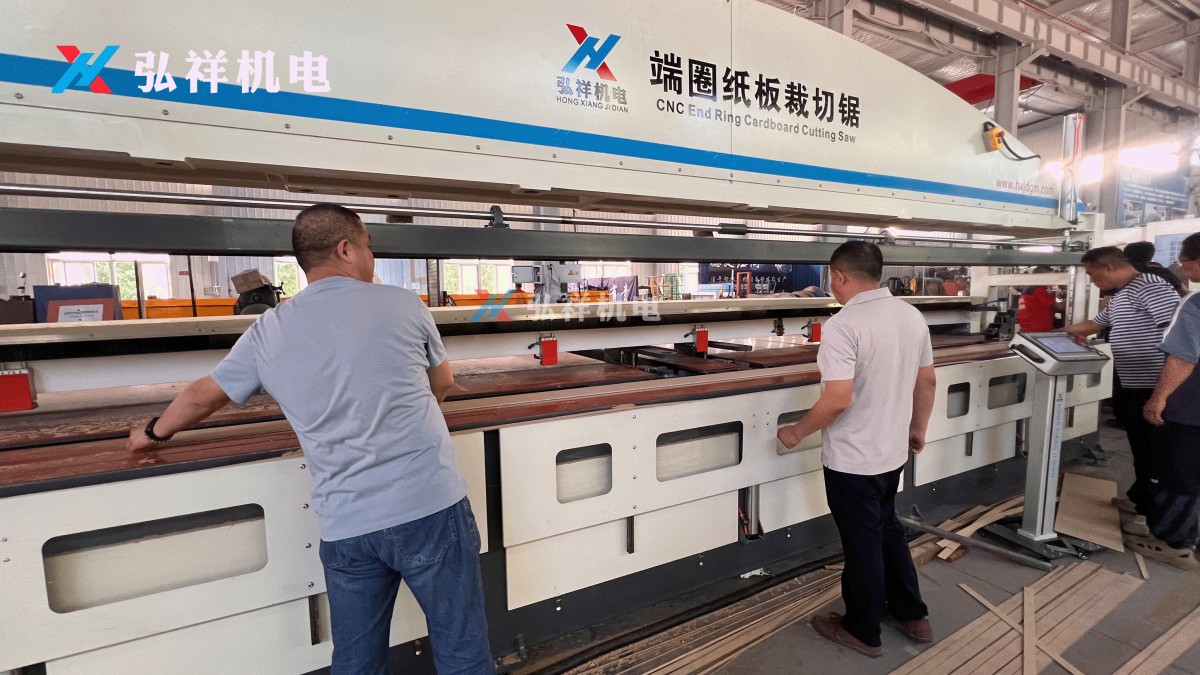
Not all laminated wood processing lines are built for the same production purpose. A basic machine may handle simple cutting or drilling, while a more advanced system may integrate multiple functions such as slotting, milling, shaping, feeding control, and precision positioning. The more integrated the machine, the higher the initial cost. However, a higher specification may lower labor dependence and improve throughput.
Assessment teams should examine whether the equipment is designed for standard laminated wood sizes only or whether it can process different board thicknesses, custom insulation parts, or transformer-related components. A qualified Laminated wood processing equipment supplier in India should be able to explain how machine design matches real production requirements, rather than pushing unnecessary features that do not create commercial value.
Key configuration variables
Important variables include spindle power, feed precision, clamping method, tooling flexibility, automation functions, safety systems, dust control, and CNC capability. For example, a lower-cost machine may appear attractive at first, but if it requires frequent manual adjustments or generates inconsistent accuracy, it can increase labor cost and material loss quickly. In contrast, better-configured equipment may bring a faster return through fewer errors and smoother production flow.
Automation level changes both investment and operating economics
Automation is often treated as a premium feature, but in many industrial environments it is a cost-control tool. Semi-automatic equipment usually has a lower purchase price, while fully or highly automated systems require more capital at the beginning. The real decision depends on expected production volume, labor availability, skill level, and consistency targets.
In India, where labor cost can vary by region and skill shortages may affect production stability, automation should be evaluated in practical terms. If a plant needs repeatable quality across multiple shifts, automated positioning, programmable process settings, and stable feeding systems may reduce risk significantly. A capable Laminated wood processing equipment supplier in India should help buyers calculate cost per finished part, not only the equipment invoice value.
Material compatibility and process suitability are often underestimated
Laminated wood used in electrical insulation and transformer applications is not a generic raw material. Different grades, densities, thicknesses, moisture conditions, and end-use requirements can influence machine selection. Equipment that performs well on one material specification may not deliver the same result on another.
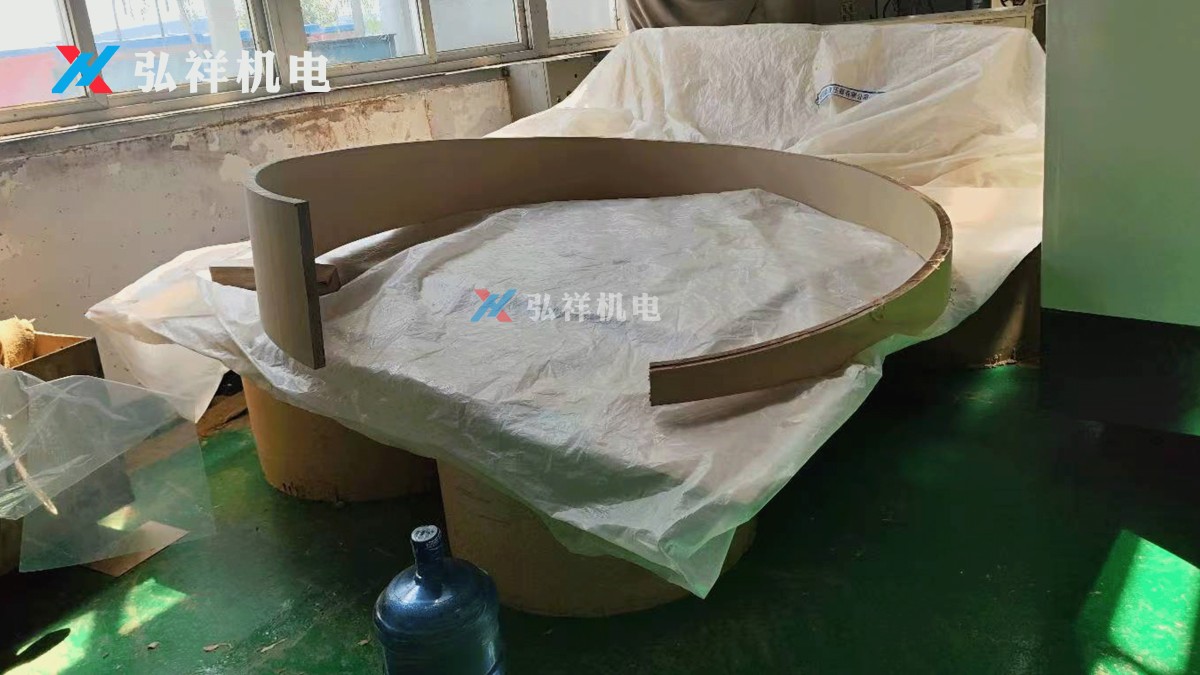
For this reason, buyers should verify whether the machine supplier understands insulation laminated wood, insulating cardboard processing, and related component manufacturing. Companies with a background in transformer support industries may offer stronger process insight than vendors focused only on generic wood equipment. This is where manufacturer experience becomes part of the real cost equation. Better process matching can reduce tool wear, improve finished part acceptance rates, and shorten setup time.
Supplier capability affects long-term value, not just delivery
A machine is only as valuable as the support system behind it. For commercial buyers, supplier evaluation should include engineering capability, customization strength, export experience, response speed, spare parts availability, and after-sales organization. A low-cost machine from an unresponsive source may become expensive if production stops and support is delayed.
Gaomi Hongxiang Electromechanical Technology Co., Ltd. operates as a private enterprise integrating research and development, design, production, sales, installation, training, and after-sales service. Its business spans power transformer assembly and manufacturing services, electrical insulating cardboard processing, insulating laminated wood and insulating parts manufacturing, EVA molding processing, and support for special machine manufacturing for artificial intelligence. For assessment teams, this type of integrated capability can be meaningful because it suggests not only equipment supply, but also process familiarity and application-oriented support.
Typical buyer scenarios and cost priorities
Different organizations in India evaluate laminated wood processing equipment from different business angles. A clear scenario analysis helps prevent overbuying or underbuying.
Installation, training, and commissioning should be included early
A frequent budgeting mistake is to treat installation and training as secondary items. In reality, they directly affect ramp-up speed and output quality. If machine alignment, process parameter settings, or operator instruction are weak, even a well-built machine may fail to deliver expected performance.
Business assessment personnel should ask whether the supplier offers on-site commissioning, remote support, multilingual technical communication, maintenance guidance, and production trial assistance. For a Laminated wood processing equipment supplier in India, practical support can be a deciding factor because buyers often need quick adaptation to local working conditions, utilities, and production habits.
Operating efficiency determines payback more than many buyers expect
The most effective way to judge real cost is to connect machine performance with production economics. A machine that reduces scrap, shortens cycle time, and maintains stable tolerances may recover its cost faster than a cheaper alternative. This is especially true when laminated wood parts are used in higher-value insulation systems, where defects can create downstream losses.
Useful performance indicators include output per shift, defect rate, average setup time, energy consumption, tooling life, and maintenance intervals. Instead of asking only “How much does the machine cost?”, a stronger business question is “What will this machine cost per qualified part over three to five years?” A professional Laminated wood processing equipment supplier in India should be prepared to discuss this broader performance logic.
Practical evaluation checklist for business assessment teams
To improve decision quality, assessment teams can use a structured review model:
First, define the required part types, dimensional tolerance, material range, and production volume. Second, compare machine configurations against those actual needs. Third, request clarification on installation scope, training format, warranty terms, and spare part supply. Fourth, review the supplier’s industry experience, especially in electrical insulation and transformer-related manufacturing. Fifth, estimate lifecycle cost using labor, maintenance, energy, tooling, and expected waste reduction.
This approach helps buyers distinguish between a low quotation and a low total cost. The difference is critical when selecting a Laminated wood processing equipment supplier in India for long-term industrial use.
A balanced conclusion for informed equipment decisions
The real cost of laminated wood processing equipment in India is shaped by far more than the machine’s initial selling price. Configuration, automation, material compatibility, service capability, commissioning quality, and operating efficiency all contribute to the final business result. For companies involved in insulation materials, transformer components, or precision industrial processing, a poor evaluation can create hidden expenses that outweigh any short-term savings.
A reliable Laminated wood processing equipment supplier in India should therefore be judged on technical fit, application understanding, support strength, and lifecycle value. Buyers who evaluate equipment through this broader lens are more likely to achieve stable production, controlled operating cost, and better return on investment. For business assessment teams seeking a practical next step, the most effective move is to compare suppliers based on production goals and total cost performance, not quotation alone.
NAVIGATION
MESSAGE
Request A Quote?