0000-00
Before investing in insulation parts equipment, business evaluators need to look beyond price and assess long-term value, production stability, material compatibility, and supplier capabilities. Cost-effective transformer insulation parts processing equipment should not only reduce manufacturing costs but also support precision, efficiency, and reliable output for transformer production. Understanding these factors helps buyers make informed decisions that balance performance, scalability, and return on investment.
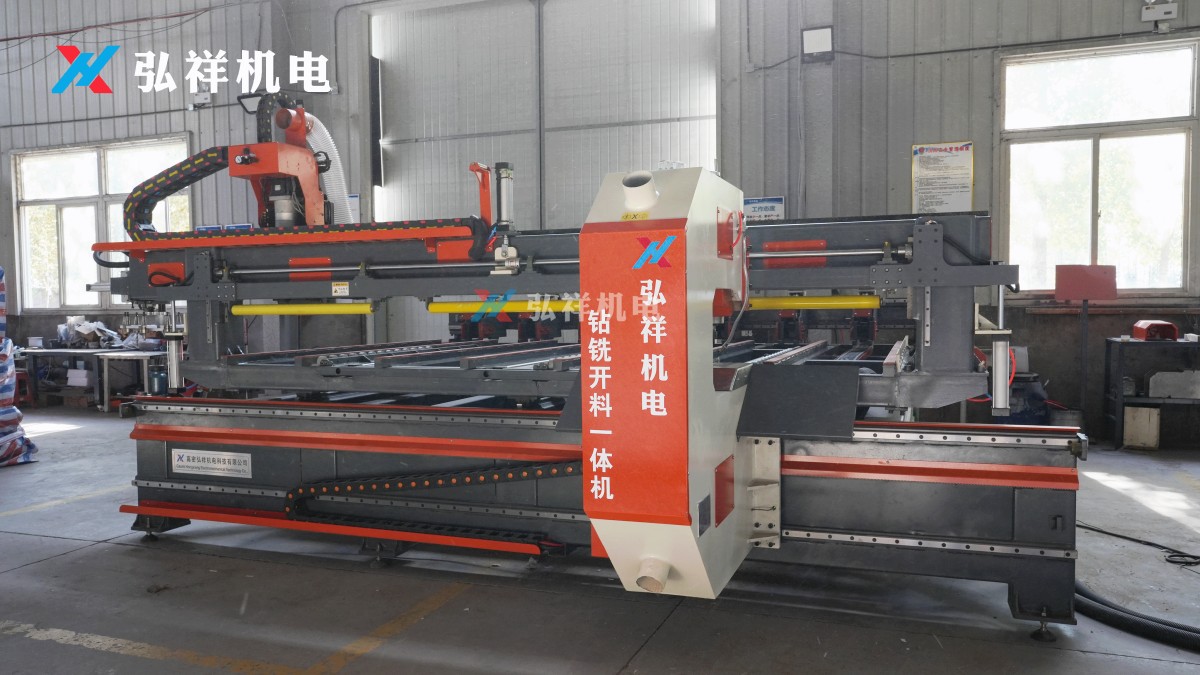
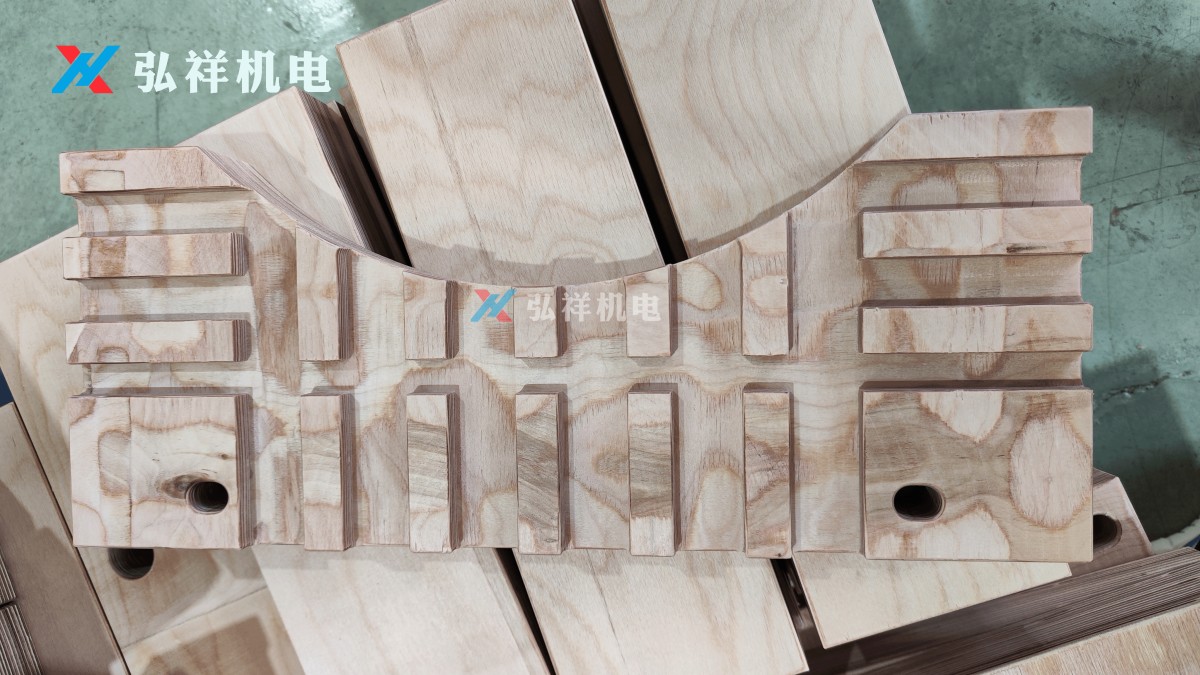
Why business evaluators need a broader purchasing lens
In transformer manufacturing, insulation parts are not secondary components. They directly affect dimensional accuracy, dielectric performance, assembly fit, and production rhythm. That is why cost-effective transformer insulation parts processing equipment should be evaluated as a production asset, not as a one-time purchase.
For business evaluators, the challenge is clear. A lower machine price may look attractive in a budget meeting, yet hidden costs often appear later through material waste, unstable precision, delayed commissioning, or limited ability to process insulating cardboard, laminated wood, and formed parts on the same platform.
In the machine tool equipment industry, purchasing decisions are usually shaped by three pressures:
- Tight return targets that require fast payback and controllable operating cost.
- Demand for stable throughput, especially when transformer orders involve different part geometries and batch sizes.
- Supplier risk concerns, including training quality, spare parts response, installation support, and export service capability.
A practical evaluation therefore combines technical fit, process capability, service support, and total cost. Buyers who use this lens are far more likely to select equipment that performs reliably across the full transformer insulation workflow.
What makes cost-effective transformer insulation parts processing equipment truly cost-effective?
The word “cost-effective” is often misunderstood. In this segment, it does not mean choosing the cheapest machine. It means buying equipment that matches actual transformer part requirements while keeping scrap, downtime, changeover time, labor intensity, and maintenance burden under control.
When assessing cost-effective transformer insulation parts processing equipment, business evaluators should review value across the full operating cycle rather than comparing quotation totals only.
Core value drivers to check first
- Processing accuracy for slots, holes, edge profiles, and repeated dimensions used in transformer insulation assemblies.
- Material adaptability for electrical insulating cardboard, insulating laminated wood, and related insulation part materials with different hardness and machining behavior.
- Production flexibility for small custom batches, medium volume runs, and mixed order schedules.
- Ease of operation, training needs, and how quickly operators can reach stable output.
- After-sales responsiveness, including commissioning, remote support, spare parts coordination, and process troubleshooting.
If a machine performs well only in one dimension, such as cutting speed, it may still be an expensive choice in practice. The best purchasing decisions come from balancing technical capability with the realities of transformer part production.
Which evaluation criteria should be used before ordering?
The table below summarizes a practical screening model for cost-effective transformer insulation parts processing equipment. It helps business evaluators compare suppliers beyond headline pricing.
This framework is especially useful when comparing several suppliers with similar quotations. In many cases, the winning option is the one that delivers fewer disruptions after the machine arrives, not the one with the lowest initial invoice.
How material type changes the equipment decision
Transformer insulation part production involves more than one substrate. Different materials behave differently during cutting, punching, shaping, or routing. Business evaluators should confirm whether the proposed equipment is optimized for actual material combinations rather than generic sheet processing.
Key material-related questions
- Will the machine maintain clean edges on electrical insulating cardboard without tearing or deformation?
- Can it process insulating laminated wood with stable tool engagement and acceptable tool wear?
- Does the configuration support shaped insulation parts that require complex contours, holes, or repeated pattern accuracy?
- If EVA molding or related formed components are part of the workflow, can the supplier coordinate upstream and downstream process compatibility?
A supplier with hands-on transformer manufacturing knowledge often adds more value here than a general machine seller. That is where Gaomi Hongxiang Electromechanical Technology Co., Ltd. stands out. The company serves global customers in transformer assembly and manufacturing, while also processing electrical insulating cardboard, insulating laminated wood, and insulating parts. This dual understanding of equipment and application helps reduce mismatches between machine capability and part reality.
Price comparison vs total cost: where buyers often misjudge value
For business evaluators, total cost is usually more important than purchase price. Cost-effective transformer insulation parts processing equipment should lower the cost per qualified part over time, not simply reduce upfront capital expenditure.
The following comparison shows how two equipment proposals can differ in real business impact even if the initial quotations are close.
This is why a disciplined procurement team should ask suppliers to explain lifecycle cost assumptions. If the answer focuses only on the machine frame and price, the proposal may be incomplete.
What supplier capabilities matter beyond the equipment itself?
In machine tool equipment procurement, supplier strength can be as important as machine configuration. This is especially true when the project involves transformer-specific insulation parts, export delivery, operator training, or custom process requirements.
Capabilities that reduce project risk
- Application understanding. Suppliers should know how insulation parts function in transformer assembly and why certain dimensions, edge conditions, or hole positions matter.
- Integrated service scope. R&D, design, manufacturing, installation, training, and after-sales support from one source can simplify communication and accountability.
- Customization ability. Many buyers need process adaptation rather than standard catalog machines. Custom tooling, feeding methods, or workholding can improve output quality significantly.
- International delivery experience. Export familiarity supports documentation handling, communication across markets, and practical response to customer expectations in different regions.
Gaomi Hongxiang Electromechanical Technology Co., Ltd. combines R&D, design, production, sales, installation, training, and after-sales service in one organization. For business evaluators, this integrated model can make project control easier, especially when the order involves custom transformer insulation parts processing requirements or coordination across multiple departments.
How to compare equipment proposals in a structured way
A structured comparison helps avoid subjective decisions and makes internal reporting easier. The table below can be used as a procurement checklist when reviewing cost-effective transformer insulation parts processing equipment proposals.
Using a matrix like this also helps procurement teams align engineering, finance, and plant management. Each team may weigh criteria differently, but a common comparison sheet improves decision quality.
Common purchasing mistakes and how to avoid them
Mistake 1: Buying on price without checking process fit
A low-cost machine can become expensive if it cannot reliably process the specific transformer insulation materials and profiles required. Always request process confirmation based on actual part drawings or samples.
Mistake 2: Ignoring operator and maintenance realities
Equipment may look efficient on paper but perform poorly if it requires complex setup, difficult cleaning, or frequent manual correction. Review routine use conditions, not only brochure specifications.
Mistake 3: Underestimating supplier service quality
Commissioning delays and support gaps can disrupt production plans. Evaluate communication speed, training depth, and problem-solving capability as carefully as machine parameters.
Mistake 4: Choosing equipment with no room for growth
If new insulation part designs, special machine integration, or higher order volume are likely within the next few years, the machine should have enough flexibility to adapt. Otherwise, the initial saving may be lost in early replacement or process fragmentation.
FAQ for buyers of transformer insulation parts equipment
How do I know whether cost-effective transformer insulation parts processing equipment fits my product mix?
Start with your real production data: material types, part sizes, thickness ranges, monthly volumes, tolerance expectations, and changeover frequency. Then ask the supplier to map equipment capability to those conditions. A good supplier should explain not only whether the parts can be made, but how stably they can be made in daily production.
What should business evaluators request before approving an order?
Request a detailed quotation scope, process description, sample validation method, delivery schedule, installation plan, training content, and after-sales response outline. These items reveal whether the supplier is prepared for project execution or only focused on the sale.
Are general-purpose machines suitable for transformer insulation parts?
Sometimes, but not always. General-purpose machines may process basic shapes, yet transformer insulation parts often require consistent quality across specific materials and repeated geometries. Buyers should compare whether a more specialized solution reduces scrap, manual adjustment, or secondary finishing.
How important is export experience when selecting a supplier?
It matters when communication, documentation, remote coordination, and regional support affect project speed. A supplier already serving markets in Southeast Asia, South America, India, Pakistan, Russia, and other regions is often better prepared for cross-border project handling than a supplier with only domestic experience.
Why many buyers shortlist Gaomi Hongxiang Electromechanical Technology Co., Ltd.
For buyers seeking cost-effective transformer insulation parts processing equipment, supplier background matters. Gaomi Hongxiang Electromechanical Technology Co., Ltd. is dedicated to global customers and provides assembly and manufacturing services for power transformers. Its business covers the processing and manufacturing of electrical insulating cardboard, insulating laminated wood, and insulating parts, while EVA molding processing offers three major product series and supports the manufacturing of special machines for artificial intelligence.
From a procurement perspective, this means the company understands both equipment and application. It is not limited to machine delivery alone. As a private enterprise integrating R&D and design, production, sales, installation, training, and after-sales service, it can support buyers who need process coordination rather than isolated hardware purchasing.
Its products sell well in the domestic market and are also exported to Southeast Asia, South America, India, Pakistan, Russia, and other countries and regions. For business evaluators, such market coverage suggests practical experience in handling varied customer needs, communication contexts, and project execution demands.
Contact us for a more reliable equipment assessment
If you are comparing cost-effective transformer insulation parts processing equipment, a productive next step is to review your requirements with a supplier that understands transformer production, insulation materials, and machine tool implementation.
You can contact Gaomi Hongxiang Electromechanical Technology Co., Ltd. to discuss practical topics such as:
- Parameter confirmation for your insulation part sizes, materials, and process targets.
- Equipment selection based on throughput, precision, and labor planning.
- Delivery schedule evaluation for urgent or phased production projects.
- Custom solution discussion for special machines, unique workpieces, or integrated process needs.
- Certification and documentation expectations relevant to your market or internal approval process.
- Sample support and quotation communication based on drawings or actual parts.
A careful purchasing decision starts with the right questions. When those questions are answered with process knowledge, service clarity, and realistic cost analysis, business evaluators can move forward with much greater confidence.
NAVIGATION
MESSAGE
Request A Quote?