0000-00
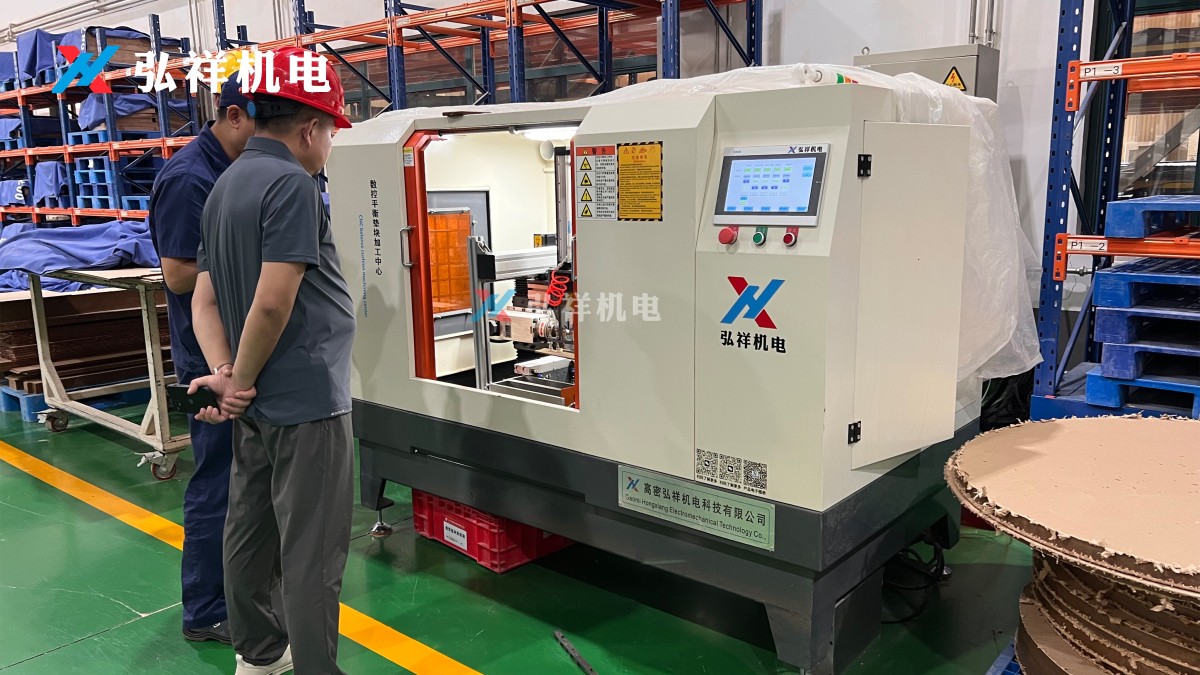
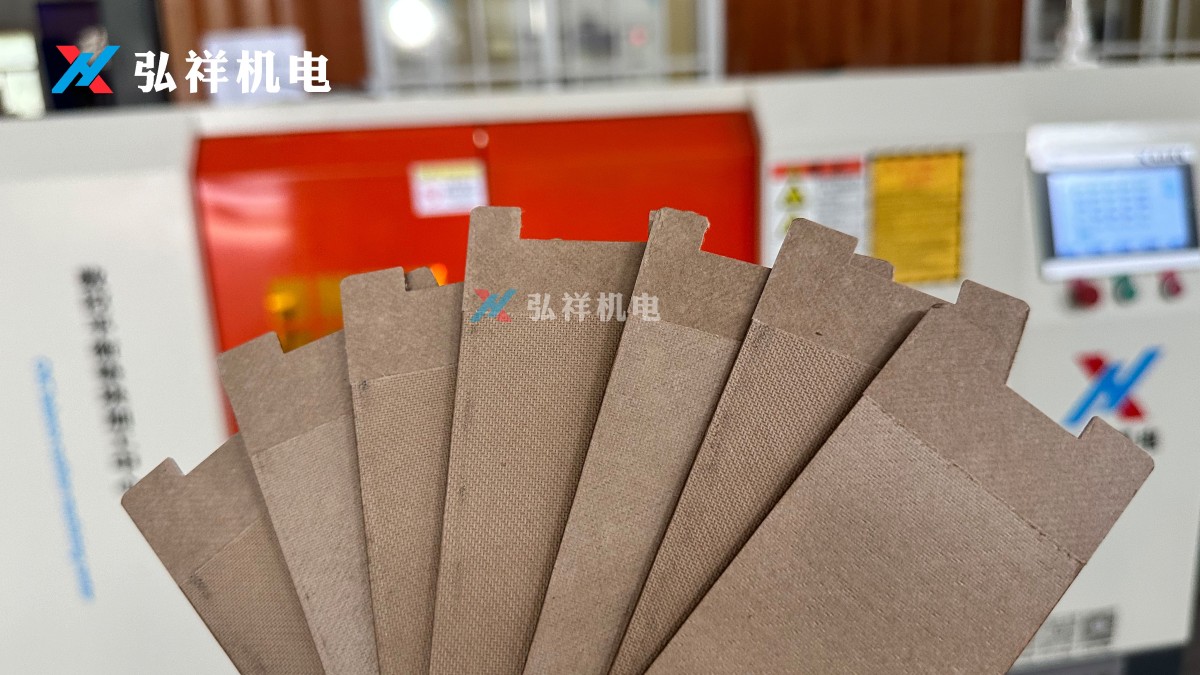
Electrical laminated cardboard is a high-performance, layer-bonded insulating material widely used in transformer insulation components—especially critical for reliable high-voltage insulation. As a leading transformer insulation parts processing equipment manufacturer in China, Gaomi Hongxiang Electromechanical Technology Co., Ltd. specializes in precision processing of electrical laminated cardboard and electrical laminated wood using advanced CNC shearing machines, fully automatic shearing machines, ring cutting processing equipment, and end ring cutting saws. Our integrated solutions—from transformer assembly stands to automated transformer insulation parts processing equipment—ensure dimensional accuracy, dielectric stability, and compliance with global safety standards for power transformers.
What Is Electrical Laminated Cardboard — Structure, Composition & Core Function
Electrical laminated cardboard (ELC) is a composite insulating material formed by stacking multiple layers of high-purity kraft paper impregnated with phenolic or epoxy resins, then hot-pressing under controlled temperature (140–180°C) and pressure (8–12 MPa). Each layer typically ranges from 0.15 mm to 0.35 mm thick, and final board thicknesses span 1.5 mm to 32 mm—customized per application requirements in oil-immersed or dry-type power transformers.
Unlike single-layer insulating paper, ELC achieves superior mechanical strength (tensile strength ≥ 120 MPa), moisture resistance (water absorption ≤ 0.8% after 24 h immersion), and dielectric rigidity (dielectric strength ≥ 45 kV/mm at 1 mm thickness). Its layered architecture prevents crack propagation under thermal cycling and electromagnetic stress—making it indispensable for high-voltage winding barriers, lead insulation, and clamping structures in 35 kV–500 kV class transformers.
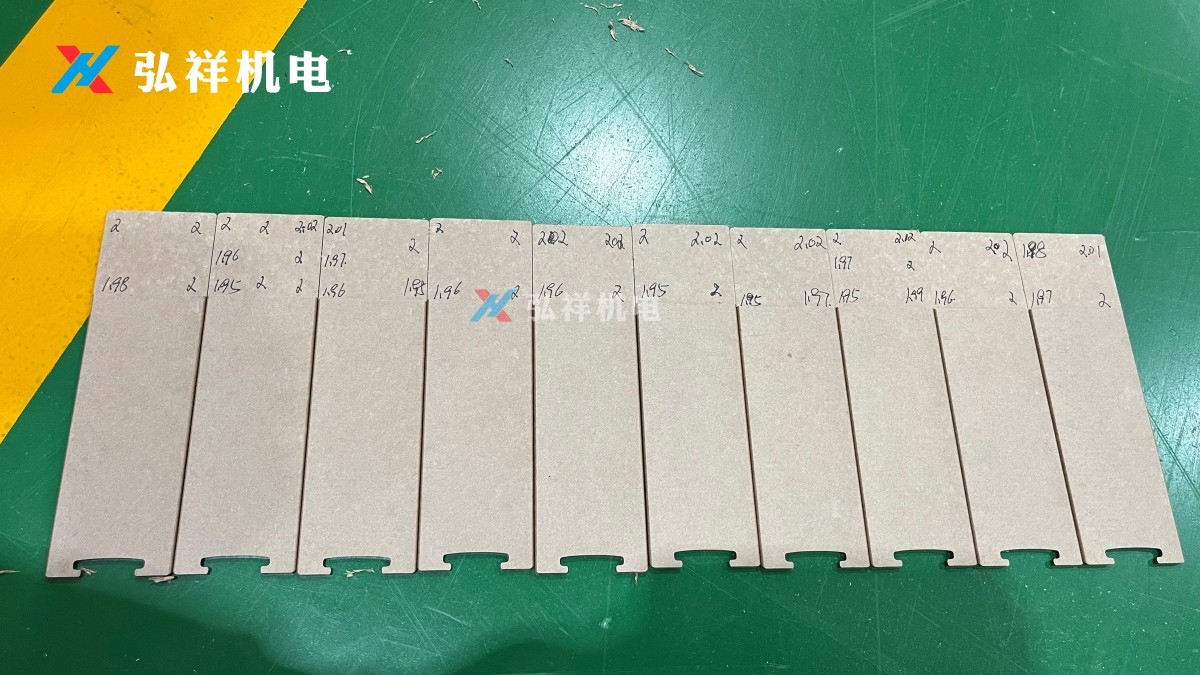
Gaomi Hongxiang’s ELC processing lines maintain dimensional tolerance within ±0.25 mm across 1,200 mm × 2,400 mm panels and surface flatness deviation < 0.1 mm/m²—critical for uniform oil gap distribution and partial discharge suppression. All raw materials comply with IEC 60641-2 and GB/T 5591.2 standards, with batch traceability supported by ISO 9001-certified production records.
Performance Under High-Voltage Stress — Key Metrics & Failure Thresholds
High-voltage insulation performance depends not only on bulk dielectric strength but also on long-term stability under combined electrical, thermal, and mechanical loads. ELC excels in three measurable dimensions: (1) AC/DC breakdown voltage retention after aging, (2) partial discharge inception voltage (PDIV), and (3) compressive creep resistance at operating temperatures (65–105°C).
Accelerated aging tests show that standard phenolic-impregnated ELC retains >92% of initial dielectric strength after 500 hours at 120°C—outperforming cellulose-only boards by 28%. In real-world transformer operation, this translates to extended service life beyond 30 years under IEEE C57.91 load-cycle guidelines.
The data confirms that laminated construction significantly enhances structural integrity under compression—reducing risk of inter-turn short circuits caused by insulation collapse during fault currents. For transformer manufacturers targeting Class H (180°C) insulation systems, epoxy-modified ELC delivers measurable margin against thermal degradation while maintaining full compatibility with mineral oil and ester-based coolants.
Precision Processing Requirements — Why CNC Automation Matters
Raw ELC sheet stock must be cut, slotted, and shaped with micron-level repeatability to avoid air gaps, burrs, or edge delamination—common root causes of premature failure in HV windings. Manual or semi-automatic processing introduces variability exceeding ±0.8 mm, increasing PD activity by up to 40% compared to CNC-machined parts (verified via IEC 60270 testing).
Gaomi Hongxiang deploys fully automated shearing cells with servo-driven positioning (±0.05 mm repeatability), laser-guided alignment, and adaptive toolpath optimization for nested part layouts. Ring-cutting equipment achieves angular tolerance ≤ ±0.15° and radial runout < 0.08 mm—essential for concentricity-critical barrier rings in 220 kV+ bushings.
Processing throughput averages 18–22 qualified parts/hour per station, with first-pass yield >99.3% across 12-month production audits. This reliability enables just-in-time delivery windows of 7–12 working days for standard geometries, and ≤20 days for custom profiles requiring tooling validation.
Selection Criteria for Transformer Manufacturers — 6 Critical Evaluation Points
When evaluating ELC suppliers, technical and procurement teams should jointly assess these six non-negotiable criteria:
- Material Certification Traceability: Batch-specific test reports covering dielectric strength, water absorption, and resin content (per IEC 60641-2 Annex B)
- CNC Process Validation: Evidence of machine calibration logs, Cpk ≥ 1.33 for key dimensions, and GD&T inspection reports (ASME Y14.5)
- Thermal Aging Data: Accelerated life curves at 110°C/130°C/150°C with Arrhenius extrapolation to 30-year service
- Oil Compatibility Testing: ASTM D877 and D1816 results confirming no acid number rise >0.03 mg KOH/g after 1,000 h immersion
- Supply Chain Resilience: Minimum 90-day raw material buffer stock and dual-source resin supply agreements
- After-Sales Technical Support: On-site process audits, joint PD mapping sessions, and failure analysis turnaround ≤5 business days
Gaomi Hongxiang provides all six as standard—backed by third-party audit reports from SGS and TÜV Rheinland. Our customers report average annual cost savings of 11–17% on rework and field failure remediation versus legacy suppliers.
Global Delivery & Compliance — Supporting Your International Projects
With export experience across 12 countries—including India (IS 1180), Russia (GOST R IEC 60641-2), and Brazil (ABNT NBR 5410)—Gaomi Hongxiang ensures documentation aligns with local regulatory gateways. Every shipment includes bilingual (English + target language) conformity declarations, RoHS/REACH compliance statements, and customs-preferred origin certification (Form A or Form E).
Our logistics partners provide door-to-door DDP terms with real-time container tracking, and we support engineering collaboration via encrypted cloud portals for CAD file exchange, GD&T review, and change notification workflows—reducing time-to-first-part by up to 3 weeks for new transformer platform launches.
Next Steps for Reliable High-Voltage Insulation Integration
Electrical laminated cardboard is not a commodity—it’s an engineered system component whose performance directly impacts transformer reliability, efficiency, and lifetime compliance. Choosing a partner with deep expertise in both material science *and* precision machining ensures your insulation strategy meets today’s grid demands while preparing for tomorrow’s AI-driven predictive maintenance architectures.
Gaomi Hongxiang offers free technical consultation for ELC specification review, CNC process feasibility analysis, and comparative lifecycle cost modeling—including ROI projections for automation integration. Whether you’re designing a 110 kV rural substation unit or scaling production for 500 kV UHV projects, our team supports every stage—from raw material selection to field commissioning support.
Contact us today to request a customized ELC processing capability report, sample batch verification plan, or virtual factory tour of our ISO 14001-certified production facility in Gaomi, Shandong Province.
NAVIGATION
MESSAGE
Request A Quote?