0000-00
Before buying processing equipment for transformer insulation materials, the most important checks are simple: confirm that the machine can meet your required precision, material range, output target, safety standard, and long-term operating cost. For buyers in transformer manufacturing, the wrong choice can lead to unstable product quality, wasted insulating material, frequent downtime, and higher total cost than expected. The right choice, by contrast, improves production efficiency, consistency, and downstream assembly reliability.
This matters especially when evaluating transformer electrical layer-pressed wood processing equipment, insulation cardboard processing lines, CNC stepped saw systems, or other special-purpose machine tools. A machine may look competitive on price, but if it cannot hold tolerances, integrate with your workflow, or support after-sales service, it may become a production risk rather than an asset. The best buying decision is based not only on specifications, but also on actual application fit, process capability, and lifecycle value.
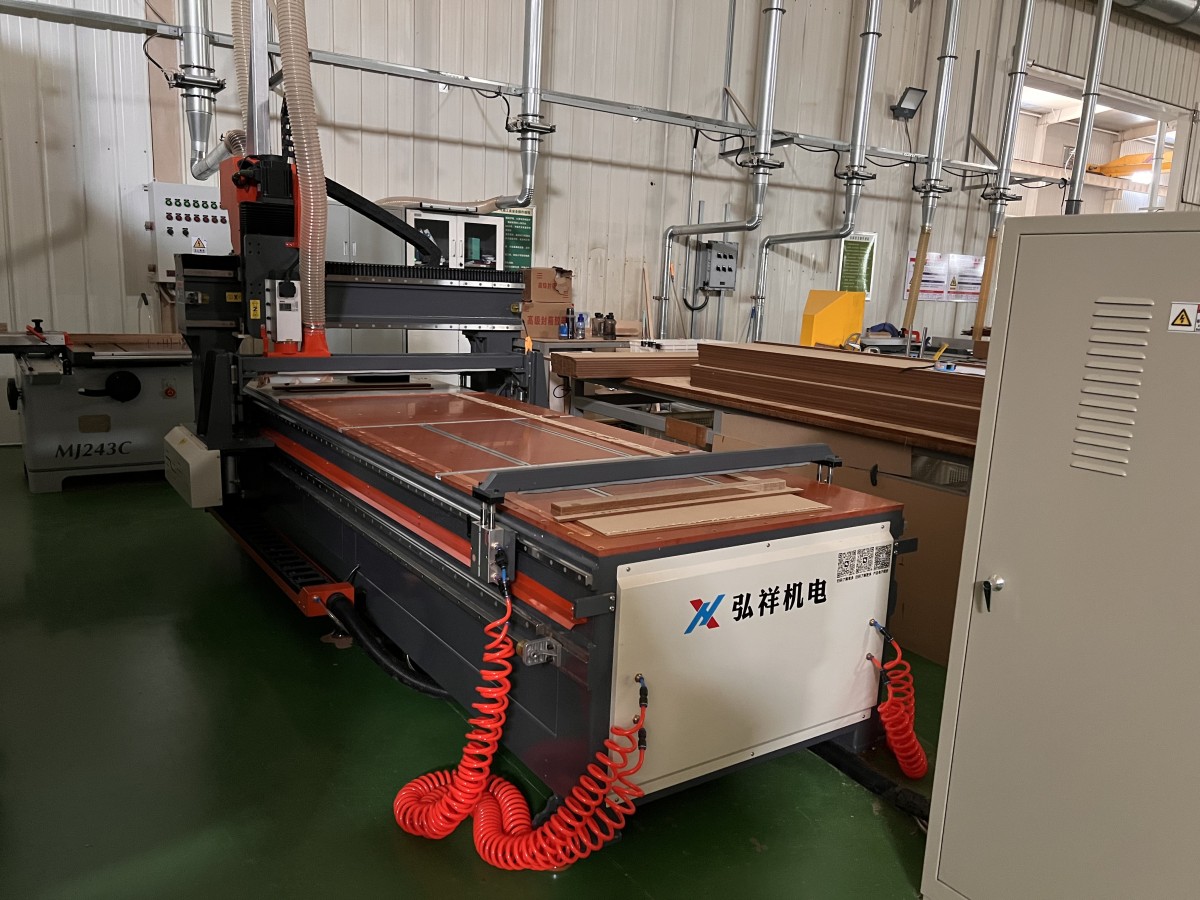
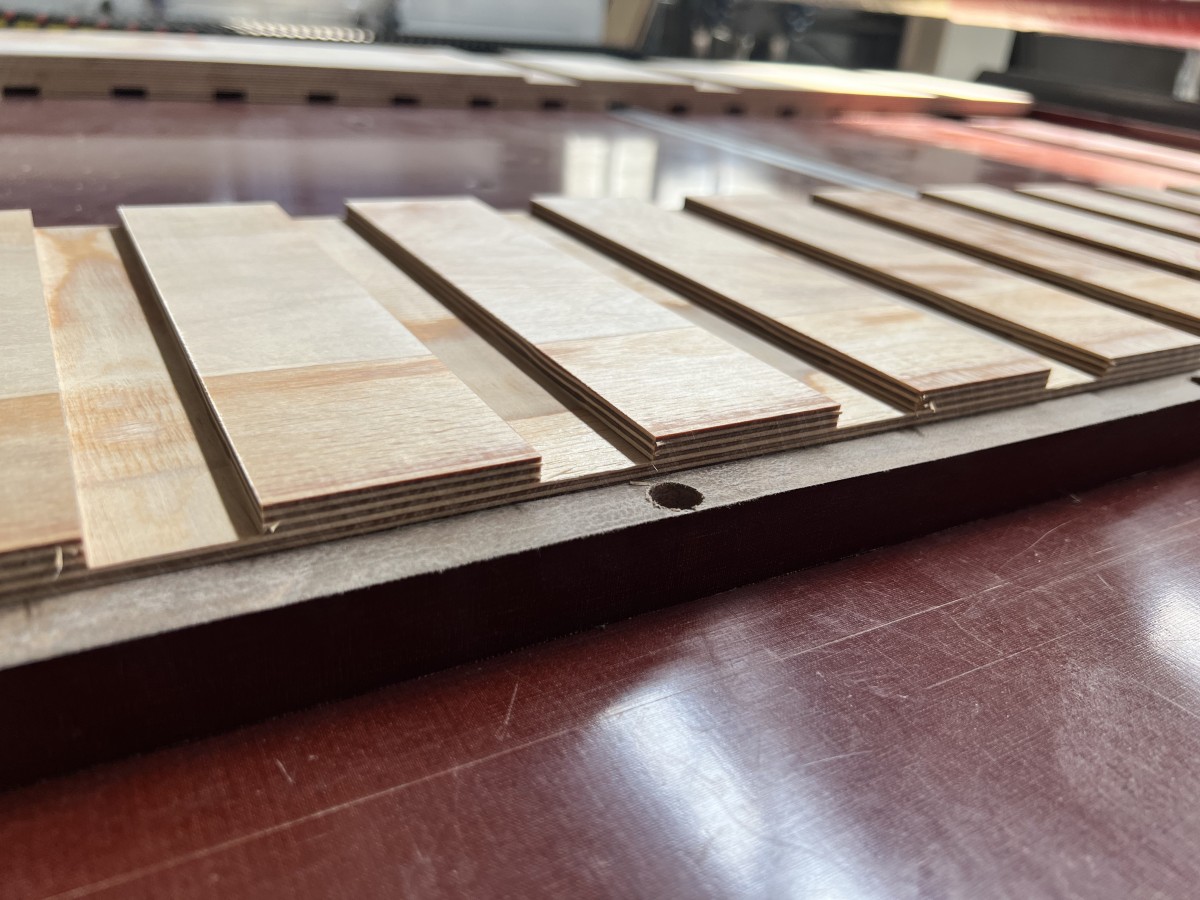
Start with the real question: what problem should the equipment solve?
Many purchasing mistakes happen because buyers compare machines before clearly defining the production task. Before reviewing brands, models, or quotations, identify the exact job the equipment must handle.
Ask these questions first:
- What materials will be processed: insulating laminated wood, electrical insulating cardboard, EVA, or mixed materials?
- What are the required dimensions, cutting accuracy, forming consistency, and surface quality?
- Is the machine for batch production, flexible small-lot processing, or high-volume standardized work?
- Will it be used in transformer manufacturing, component fabrication, special AI-related machinery support, or custom part production?
- What downstream process depends on this equipment, such as assembly, insulation fitting, or quality inspection?
When these requirements are clear, it becomes much easier to judge whether a machine is truly suitable. A low-cost machine that cannot meet insulation part tolerance or repeatability may create more losses than savings.
Check whether the equipment matches your material and process requirements
In the machine tool and insulation processing field, material compatibility is one of the first technical checks. Transformer insulation materials are not generic substrates. Different grades of laminated wood, pressboard, insulating cardboard, and formed insulation parts behave differently during cutting, pressing, shaping, and finishing.
Before buying, confirm:
- The machine is designed for the thickness, density, hardness, and structural characteristics of your material.
- Tooling and fixtures can hold the material securely without deformation.
- The process will not damage insulation performance through cracking, burrs, overheating, delamination, or excessive stress.
- The equipment supports your part geometry, including stepped, angled, slotted, formed, or customized structures.
For example, when evaluating transformer electrical layer-pressed wood processing equipment, precision cutting and stable handling are critical because dimensional deviation can affect fit, assembly efficiency, and insulation reliability. For transformer insulation cardboard processing equipment, consistency of forming and clean processing edges are often just as important as speed.
Precision and repeatability should be checked before price
For technical evaluators, quality managers, and project leaders, this is often the deciding factor. Equipment should not only hit a target dimension once during a demonstration. It should maintain stable precision across long production runs.
Check the following:
- Actual machining tolerance under production conditions, not just brochure data
- Repeatability over multiple cycles and different shifts
- Machine rigidity and vibration control
- Positioning accuracy of CNC systems, if applicable
- Tool wear impact on output quality
- Calibration method and ease of adjustment
If possible, ask the supplier to process your sample parts or materials. A real sample test is far more useful than general technical claims. Buyers should inspect edge quality, size stability, surface condition, and scrap rate after trial production.
Evaluate automation based on your labor, skill, and output needs
Automation is not automatically better unless it fits your production reality. Some factories benefit from highly automated systems because they need stable output, lower labor dependence, and traceable process control. Others may prefer semi-automatic solutions that offer flexibility and lower upfront investment.
Consider these practical points:
- How many operators are needed per shift?
- What level of skill is required for operation and programming?
- Can the equipment reduce manual handling errors?
- Does automation improve consistency enough to justify its cost?
- Can it integrate with your existing production flow?
For procurement teams and financial approvers, the key is not “highest automation” but “best-fit automation.” A cost-effective transformer electrical layer-pressed wood processing equipment solution may outperform a more complex system if it better matches current capacity, staffing, and product variety.
Look beyond purchase price and calculate total cost of ownership
This is one of the most important checks for business evaluators and decision-makers. The purchase price is only the starting point. Real equipment cost includes operation, maintenance, wear parts, downtime, training, and future upgrades.
Review the full cost picture:
- Initial machine cost
- Installation and commissioning cost
- Tooling, fixtures, and consumables
- Energy consumption
- Maintenance frequency and spare parts cost
- Operator training requirements
- Expected service life
- Downtime risk and repair response time
A machine with a lower initial quotation may cost more over five years if it has poor durability, unstable parts supply, or frequent service interruptions. For factories with tight production schedules, downtime may be more expensive than the machine itself.
Supplier capability matters as much as machine capability
Even a well-designed machine can become a problem if the supplier cannot support installation, training, debugging, parts replacement, or technical consultation. This is especially important for special-purpose equipment used in transformer manufacturing and insulation part production.
Before buying, check whether the supplier can provide:
- Application-based technical recommendations
- Custom design or special machine manufacturing support
- Factory acceptance testing
- On-site installation and commissioning
- Operator and maintenance training
- After-sales service and spare parts support
- Export experience for international customers
A supplier with integrated R&D, design, production, sales, installation, training, and after-sales service is often better positioned to solve real production issues. This is especially relevant for customers purchasing custom machine tools or processing systems for specialized insulation applications.
Do not overlook safety, compliance, and quality control requirements
For quality control personnel, safety managers, and plant operators, equipment selection should include more than productivity. It must also support safe and compliant production.
Check whether the equipment includes:
- Necessary guarding and operator protection systems
- Emergency stop functions and electrical safety design
- Stable dust collection or waste handling options, if required
- Clear operating procedures and warning labels
- Quality inspection support points for dimension and process control
In insulation material processing, poor control can affect both worker safety and final product quality. Machines should help standardize operation, reduce handling risk, and support consistent inspection results.
Ask for proof from real cases, not only specifications
Technical data sheets are useful, but real project evidence is more convincing. Buyers should ask for customer cases, sample outputs, export records, or application examples in similar industries.
Useful proof includes:
- Case studies from transformer manufacturers or insulation part processors
- Photos or videos of the machine in production
- Sample part inspection reports
- References from domestic or overseas customers
- Evidence of performance in markets with similar standards and production needs
This is particularly helpful for distributors, agents, and enterprise buyers who need to reduce commercial risk before approving a purchase.
A practical pre-purchase checklist for processing equipment buyers
Before placing an order, confirm the following points:
- Your material, part size, accuracy, and output requirements are clearly defined.
- The machine has been verified for your actual processing application.
- Precision, repeatability, and sample quality have been tested.
- The automation level matches your labor and production model.
- Total cost of ownership has been calculated, not just purchase price.
- The supplier can provide installation, training, and after-sales support.
- Spare parts availability and maintenance response are confirmed.
- Safety and quality control requirements are included in the evaluation.
- Delivery time and project implementation risks are realistic.
- There is evidence from real applications or similar customers.
This checklist helps buyers compare equipment more objectively and avoid decisions based only on price or marketing language.
Conclusion
Before buying processing equipment, the smartest approach is to evaluate application fit, precision, automation level, durability, supplier support, and lifecycle cost together. For transformer insulation material production, this is especially important because equipment quality directly affects efficiency, consistency, and final product reliability.
Whether you are comparing CNC stepped saw systems, transformer insulation cardboard processing equipment, or transformer electrical layer-pressed wood processing equipment, the best machine is not simply the cheapest or most advanced. It is the one that can deliver stable production, support your process requirements, and create long-term value for your business.
A careful pre-purchase evaluation reduces risk, improves return on investment, and helps ensure that your equipment becomes a productive asset instead of an ongoing operational problem.
NAVIGATION
MESSAGE
Request A Quote?