0000-00
Before investing in Automated insulating parts processing equipment, price alone is never a reliable decision point. In the transformer and insulation manufacturing field, equipment value depends on precision, process stability, material adaptability, digital control, and long-term service capability. As product tolerance requirements become tighter and labor structures change, buyers are paying more attention to whether a machine can support future production needs, not only current output targets.
This shift is especially visible in machine tool equipment linked to insulating cardboard, laminated wood, EVA forming, and customized insulating components. The right Automated insulating parts processing equipment can improve consistency, reduce waste, and support safer transformer assembly. The wrong choice may create bottlenecks, unstable dimensions, and rising maintenance costs. That is why checking key factors before purchase has become a strategic step rather than a routine transaction.
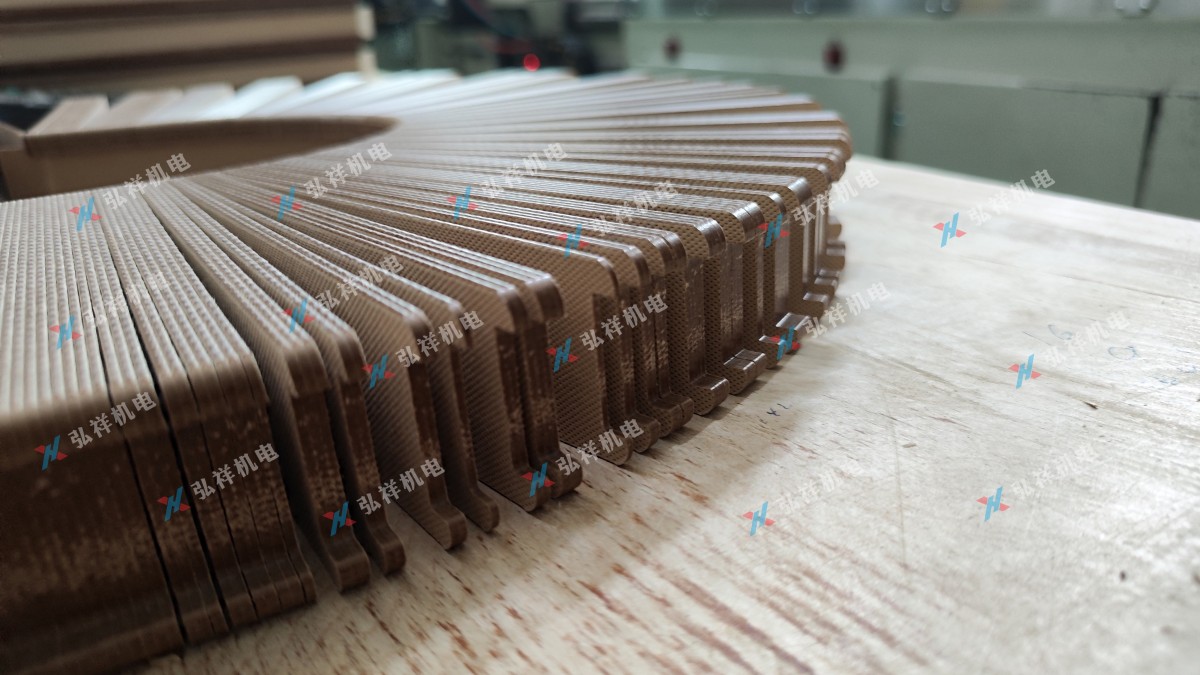
Why buying standards are changing in insulating parts machining
The evaluation logic for Automated insulating parts processing equipment has changed with market demand. More insulation parts now require complex shapes, tighter dimensional control, and repeatable batch performance. Manual or semi-automatic processes often struggle to maintain these standards at scale.
Another visible change is production flexibility. Many factories no longer run only one standard part for long periods. They switch between insulating cardboard parts, laminated wood profiles, and special formed pieces. This creates demand for machine tool solutions that can adapt quickly without long setup times.
Digitalization is also raising expectations. Equipment buyers increasingly want data visibility, parameter storage, and easier traceability. In this context, Automated insulating parts processing equipment is judged not just by mechanical strength, but by how well it integrates process control and quality consistency.
The strongest signals driving demand for better equipment
Several forces are shaping how machine tool equipment is selected for insulating parts production. These signals explain why purchase checklists have become more detailed and more technical.
What to check first in Automated insulating parts processing equipment
The first checkpoint is machining precision under real working conditions. A machine may show acceptable test values, yet lose consistency during continuous production. Check repeated positioning accuracy, dimensional stability, edge quality, and performance after long runs.
The second checkpoint is material compatibility. Automated insulating parts processing equipment should match the actual materials to be processed. Insulating cardboard, laminated wood, and EVA do not respond equally to cutting speed, pressure, tool wear, or dust control settings.
The third checkpoint is process range. Some equipment performs well on simple profiles but struggles with slotting, beveling, contour cutting, drilling, or forming combinations. Real value comes from machines that support the full structure of target parts.
- Verify tolerance levels on finished insulating parts, not empty-run data.
- Confirm cutting, shaping, drilling, and forming functions against daily production tasks.
- Check whether machine settings can be stored for repeated part programs.
- Review dust collection, scrap handling, and worksite cleanliness performance.
How production efficiency is being redefined
Efficiency today means more than output per hour. For Automated insulating parts processing equipment, effective efficiency includes setup time, tool change speed, programming convenience, defect rate, and recovery time after process adjustment.
A machine with high nominal speed can still create low real efficiency if frequent alignment, material repositioning, or manual correction is required. Buyers should request cycle-time data from actual part samples rather than relying only on brochure values.
Production efficiency also depends on machine stability across shifts. In machine tool equipment for insulation processing, downtime often costs more than the purchase price difference. That is why spindle durability, transmission quality, electrical reliability, and software stability deserve careful review.
Questions that reveal real productivity
- How long does setup take when switching part specifications?
- What is the average scrap rate during batch production?
- How often are tools replaced when processing insulating materials?
- Can one operator manage multiple equipment units safely?
Customization and integration are becoming decision factors
Standard machines do not always fit insulation part manufacturing. Part geometry, batch size, workshop layout, and downstream assembly requirements often differ by project. This makes customization an important consideration when selecting Automated insulating parts processing equipment.
Customization may involve feeding methods, fixture design, multi-station processing, software functions, or safety protection. In some cases, the best solution is not a single machine, but a coordinated production cell built around the product flow.
Integration is equally important. If the equipment cannot connect smoothly with existing inspection, forming, assembly, or packaging stages, expected gains may never appear. Strong machine tool suppliers understand process connection, not just machine assembly.
After-sales strength now affects equipment value more directly
In the past, support was often treated as a secondary item. That approach is less practical today. Automated insulating parts processing equipment combines mechanics, controls, and process know-how. Without fast support, minor issues can become major production losses.
Technical training is another high-impact area. Good training shortens commissioning time and improves parameter control. It also helps maintain part quality when different materials or shapes are introduced into production.
A reliable supplier should also provide spare parts planning, remote troubleshooting, maintenance guidance, and upgrade recommendations. For export-oriented or multi-region operations, this support is even more important.
Support points worth confirming before signing
- Installation and commissioning scope
- Operator and maintenance training details
- Response time for faults and technical questions
- Availability of key spare parts
- Upgrade support for future processing needs
What these checks mean for long-term manufacturing decisions
The practical impact of equipment selection reaches beyond one production stage. Better Automated insulating parts processing equipment can improve dimensional consistency, reduce rework, and support smoother transformer assembly. It can also make planning easier by reducing process uncertainty.
For businesses handling multiple insulating materials or custom parts, the right machine tool equipment creates flexibility without sacrificing control. This matters when orders fluctuate, designs evolve, or export quality expectations rise.
Gaomi Hongxiang Electromechanical Technology Co., Ltd. focuses on serving global customers in transformer assembly and manufacturing. Its experience in electrical insulating cardboard, insulating laminated wood, insulating parts, EVA molding, and special machine support highlights a wider industry reality: successful equipment decisions come from matching machine capability with real process demands.
A practical next step before making the final choice
Before placing an order, prepare actual part drawings, material samples, target tolerances, and daily output expectations. Then compare each Automated insulating parts processing equipment option against those real conditions. This method reveals whether the machine fits production, not just specification sheets.
It is also useful to request trial processing, review service terms in detail, and evaluate customization ability early. A careful assessment now can lower risk, protect quality, and support stronger returns over the full equipment lifecycle.
When Automated insulating parts processing equipment is selected with precision, compatibility, flexibility, and service in mind, it becomes more than a machine purchase. It becomes a foundation for stable insulating parts production and long-term manufacturing competitiveness.
NAVIGATION
MESSAGE
Request A Quote?