0000-00
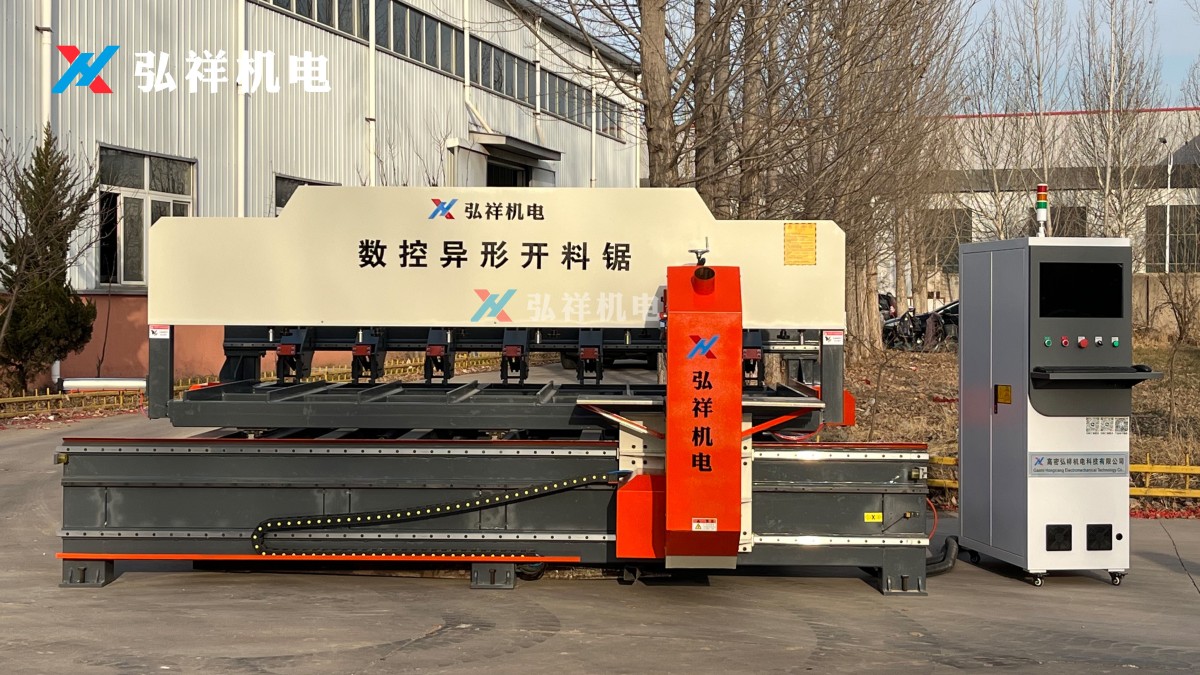
Before investing in ring cutting processing equipment for laminated wood, verify critical factors—precision, material compatibility, automation level, and safety compliance—to ensure optimal performance for transformer insulation parts processing equipment. As a trusted transformer insulation parts processing equipment manufacturer in China, Gaomi Hongxiang Electromechanical offers integrated solutions including CNC shearing machines, fully automatic shearing machines, end ring cutting saws, and specialized equipment like cow horn-shaped cutting block beveling machines and electrical sheet metal beveling machines—supporting high-accuracy fabrication of insulating cardboard, electrical laminated cardboard, and electrical laminated wood.
Why Ring Cutting Precision Matters for Laminated Wood in Transformer Insulation
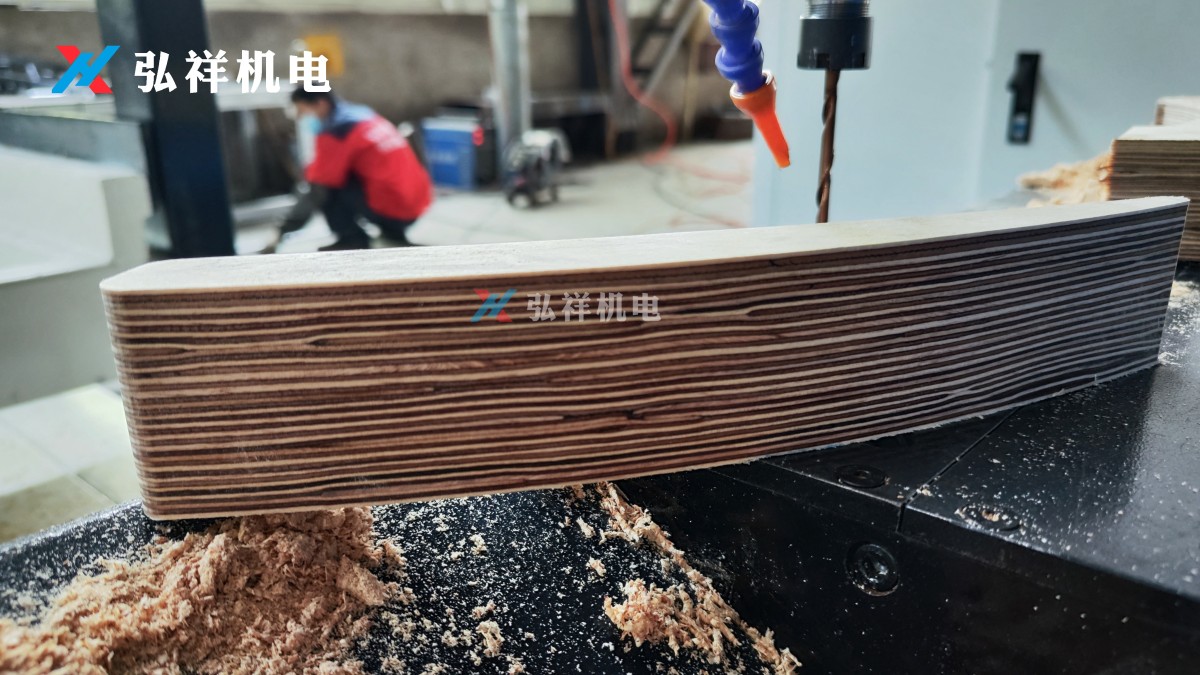
Laminated wood used in power transformer core clamping structures must meet strict dimensional tolerances—typically ±0.3 mm for inner/outer ring diameters and ≤0.2° angular deviation on beveled edges. Deviations beyond these thresholds increase magnetic flux leakage, reduce mechanical stability under short-circuit forces, and accelerate aging of adjacent insulating materials.
Unlike standard wood or MDF, electrical laminated wood is composed of multiple layers of impregnated kraft paper or phenolic-resin-bonded veneers. Its anisotropic density (1.1–1.3 g/cm³), variable moisture content (5–8% by weight), and embedded metallic inserts demand dynamic feed compensation and adaptive blade load sensing. Generic ring cutters often fail to maintain consistent kerf width across 12–45 mm thickness ranges—leading to cumulative stack-up errors in multi-layer assemblies.
Gaomi Hongxiang’s end ring cutting saws integrate real-time laser metrology feedback loops that adjust spindle RPM (3,000–6,500 rpm) and feed rate (0.8–2.4 m/min) based on acoustic emission signatures from the cutting interface. This ensures surface roughness remains below Ra 3.2 µm—a prerequisite for uniform varnish penetration during post-machining impregnation.
The table above highlights how precision benchmarks directly impact long-term reliability. For instance, a ±0.05 mm radial tolerance enables stacking 28 laminated rings with total axial deviation under 1.4 mm—well within IEC 60273 Class II assembly limits. This eliminates manual shimming and reduces field commissioning time by 35–40%.
Material Compatibility & Thermal Management Requirements
Electrical laminated wood contains thermosetting resins (phenol-formaldehyde or melamine-urea blends) with glass transition temperatures between 120°C and 180°C. Excessive localized heating (>95°C at the cut zone) causes micro-cracking, resin degradation, and delamination—especially near metallic dowel holes or copper-clad zones.
Standard high-speed steel (HSS) blades generate peak interface temperatures of 160–220°C during dry cutting. Gaomi Hongxiang equips all ring cutting systems with cryogenic air-cooling nozzles delivering −15°C to −25°C airflow at 4–6 bar pressure, maintaining tool–workpiece interface below 75°C. Optional oil-mist lubrication kits further suppress thermal spikes and extend carbide-tipped blade life to 1,800–2,200 linear meters per sharpening cycle.
Material hardness varies significantly: phenolic-laminated wood measures 85–92 Shore D, while epoxy-modified variants reach 95–100 Shore D. Fixed-rake-angle cutters suffer rapid edge chipping on harder grades. Our proprietary 3-stage variable-rake geometry adjusts rake angles from 8° to 15° across the blade radius, balancing chip removal efficiency and edge durability.
- Verify resin type compatibility: Phenolic, epoxy, melamine, or hybrid formulations require distinct cutter geometries and coolant strategies.
- Confirm moisture content range: Equipment must support pre-cutting humidity sensing (5–12% RH detection) to auto-adjust feed parameters.
- Assess embedded feature density: Systems handling >12 metallic inserts per ring require non-magnetic chucking and EMI-shielded servo drives.
Automation Integration & Safety Compliance for High-Mix Production
Modern transformer manufacturers operate under mixed-model schedules—switching between 12–28 ring configurations weekly. Manual setup on legacy ring cutters consumes 22–35 minutes per changeover. Gaomi Hongxiang’s CNC platforms use ISO 26262-compliant PLCs with dual-channel safety controllers, enabling full recipe-based operation: one-touch loading of 42 stored programs covering diameters from 320 mm to 1,600 mm, thicknesses from 8 mm to 45 mm, and bevel angles from 0° to 45°.
All machines comply with EN ISO 13857 (safe distances) and EN 694 (woodworking machinery safety). Critical safeguards include light curtains with 15 ms response time, dual-hand control interlocks, and emergency stop circuits meeting SIL2 requirements. Optional ATEX-certified versions are available for environments with flammable dust concentrations exceeding 20 g/m³.
This structured compliance ensures seamless integration into factory-wide MES systems. Data export formats include OPC UA, Modbus TCP, and CSV logs synchronized to UTC timestamps—enabling traceability for ISO 9001:2015 audits and predictive maintenance scheduling.
Procurement Decision Framework for Multi-Stakeholder Teams
Purchasing decisions involve divergent priorities: operators seek intuitive HMI interfaces and quick-change tooling; finance teams evaluate TCO over 7–10 years; QA managers require built-in SPC reporting; and distributors need modular configurations for regional voltage/frequency variants (e.g., 380V/50Hz vs. 480V/60Hz).
Gaomi Hongxiang provides standardized evaluation checklists aligned to stakeholder roles. For example, financial approvers receive ROI models showing 2.8-year payback on fully automated lines (vs. semi-auto) due to 47% labor cost reduction and 22% scrap rate decline. Safety officers receive third-party CE certification documentation with test reports dated within the last 12 months.
- Validate machine qualification protocols: Request FAT/SAT reports covering 3 consecutive production runs with certified laminated wood samples.
- Review service SLA terms: On-site response guaranteed within 48 hours; remote diagnostics supported 24/7 via encrypted VNC channels.
- Confirm training scope: Includes 5-day operator certification, 3-day maintenance technician upskilling, and bilingual (English + local language) technical manuals.
Conclusion: Aligning Technical Specifications with Operational Realities
Selecting ring cutting equipment for laminated wood isn’t about maximizing specs—it’s about matching machine capabilities to your specific insulation part portfolio, production volume profile (200–1,200 rings/month), and quality assurance infrastructure. Gaomi Hongxiang’s equipment is engineered for the exacting demands of transformer manufacturing: sub-0.05 mm repeatability, intelligent thermal management, safety-certified automation, and global service readiness across 12+ export markets.
With R&D centers in Shandong and partnerships with leading resin suppliers, we co-develop application-specific solutions—not off-the-shelf machines. Whether you process 5 mm-thin end rings or 45 mm-thick clamping blocks, our engineers conduct on-site material trials before final configuration.
Contact Gaomi Hongxiang Electromechanical today to request a free application assessment—including sample cutting analysis, cycle time simulation, and customized TCO report tailored to your facility’s operational parameters.
NAVIGATION
MESSAGE
Request A Quote?