0000-00
For enterprise decision-makers seeking lower operating costs and steadier output, cost-effective transformer insulation cardboard processing equipment can make a measurable difference. By improving material utilization, reducing manual intervention, and supporting consistent production quality, the right equipment helps manufacturers cut total production costs while strengthening competitiveness in transformer insulation and related industrial applications.
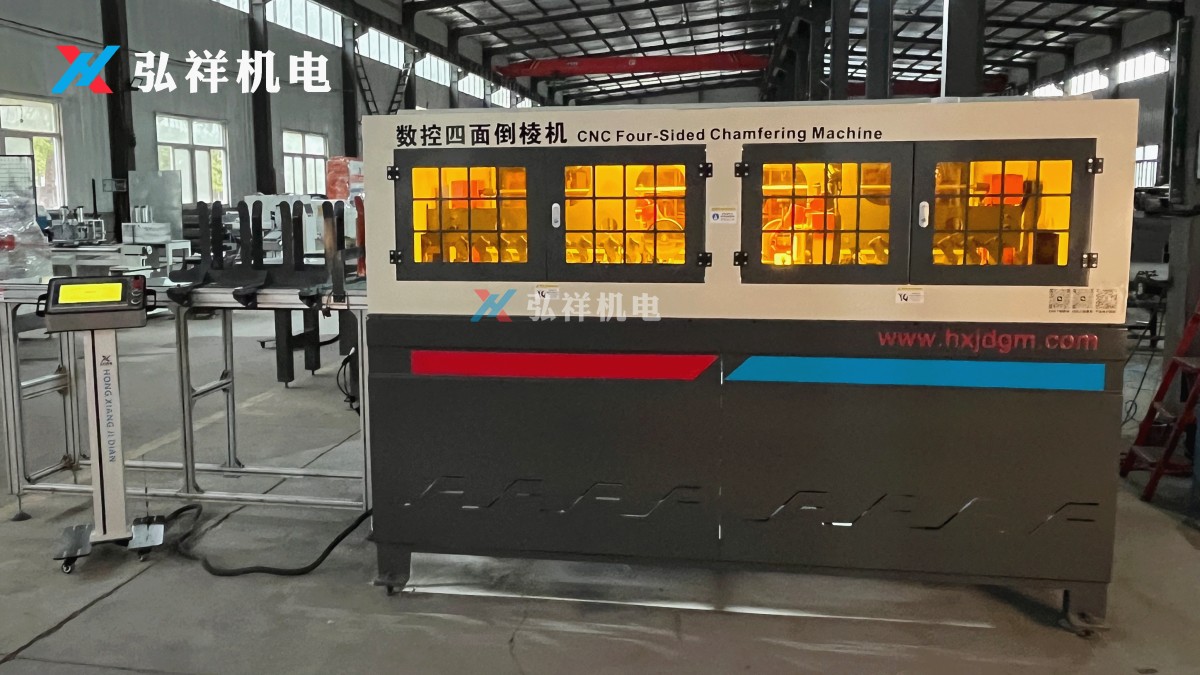
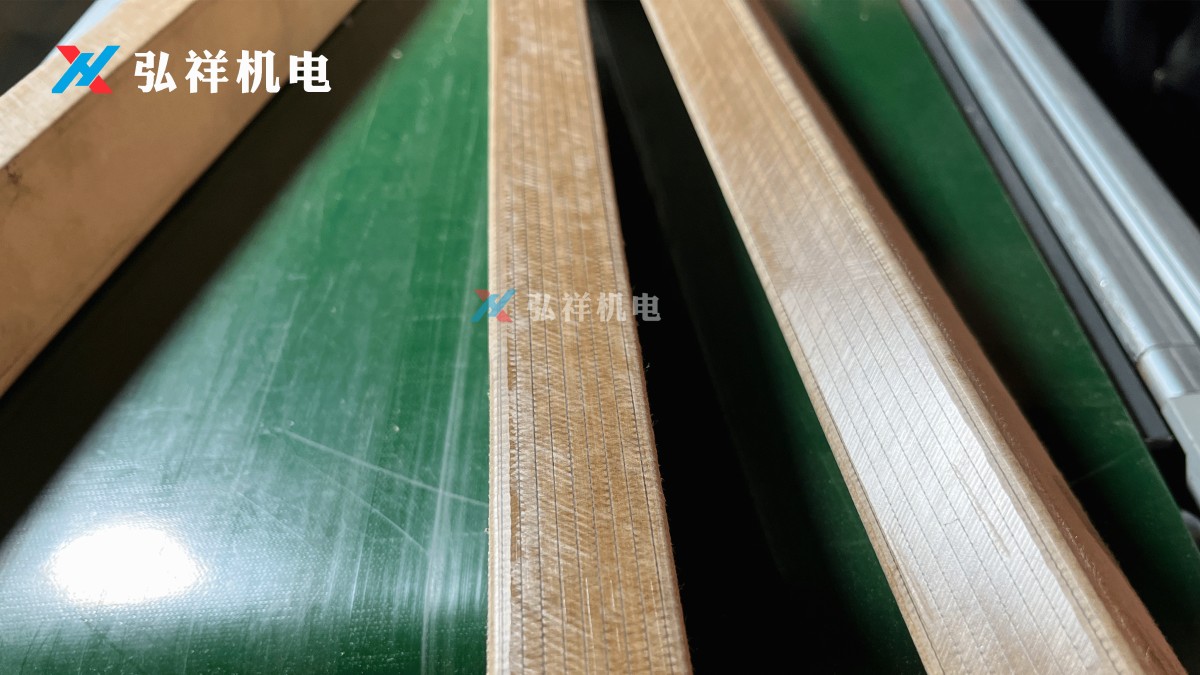
In transformer manufacturing and related electrical insulation processing, equipment cost should never be judged by purchase price alone. A lower initial quotation can become expensive if the machine delivers unstable cutting accuracy, high scrap rates, frequent downtime, or difficult maintenance. For companies evaluating capital expenditure, the more relevant metric is total production cost over 3 to 5 years.
That is why cost-effective transformer insulation cardboard processing equipment matters. It helps manufacturers control labor input, reduce rework, protect valuable insulating material, and keep production schedules predictable. For decision-makers responsible for output, quality, and return on investment, this equipment is not just a workshop asset. It is a cost-control tool.
Gaomi Hongxiang Electromechanical Technology Co., Ltd. serves global customers with assembly and manufacturing services for power transformers, along with processing solutions for electrical insulating cardboard, insulating laminated wood, insulating parts, and EVA molding. With integrated capabilities covering R&D, design, production, sales, installation, training, and after-sales support, the company’s business model reflects what many industrial buyers now expect: practical machinery, process compatibility, and service continuity across multiple regions.
Why Total Production Cost Depends on More Than Machine Price
A machine purchased at a competitive price can still increase overall factory cost if it consumes excessive labor hours or wastes insulation board. In cardboard converting for transformer insulation, even a tolerance shift of ±0.5 mm to ±1.0 mm may affect downstream assembly, edge finishing, or fit consistency. Small deviations can become large hidden costs when repeated over hundreds or thousands of parts.
Cost-effective transformer insulation cardboard processing equipment should therefore be evaluated across at least 4 dimensions: material yield, labor dependency, uptime stability, and finished-part consistency. When these 4 factors improve together, the savings often exceed the value of a lower upfront machine price by a wide margin over 12 to 36 months of operation.
The main cost drivers in insulation cardboard processing
For most factories, production cost is shaped by 6 recurring items: raw material loss, direct labor, energy use, tooling consumption, unplanned maintenance, and rejected finished parts. In insulation cardboard and laminated insulating materials, raw material and labor often represent the largest controllable share. This is where equipment selection has the fastest financial impact.
- Material waste from inaccurate feeding, cutting, slotting, or drilling
- High operator involvement in positioning, adjustment, and repetitive handling
- Downtime caused by unstable mechanical structure or difficult troubleshooting
- Rework due to burrs, edge defects, dimensional inconsistency, or hole misalignment
- Long changeover time between small-batch and medium-batch production tasks
If a workshop handles mixed product specifications, even saving 3 to 8 minutes per changeover can produce a meaningful annual gain. Over 2 shifts per day, these time savings improve not only labor efficiency but also delivery reliability.
How better equipment lowers hidden costs
Well-matched machine tools and processing equipment lower cost by improving process repeatability. Stable feeding, accurate positioning, clean cutting paths, and easier setup reduce dependency on highly experienced operators. In practical terms, that can shorten training cycles from several weeks to a few days for standard operations, while keeping quality within an acceptable range.
For enterprise buyers, this matters because labor availability is becoming less predictable in many manufacturing regions. Equipment that can standardize process output with fewer manual corrections directly supports production resilience. It also reduces the risk that one skilled operator becomes a single point of failure in a critical line.
The table below shows how decision-makers can compare low-price equipment with truly cost-effective transformer insulation cardboard processing equipment from a total-cost perspective.
The key conclusion is straightforward: a machine becomes economical when it protects output quality while reducing waste, downtime, and labor pressure. This is especially important in transformer insulation applications, where material quality and dimensional consistency influence not only cost but also process trustworthiness in downstream assembly.
What Enterprise Buyers Should Look for in Cardboard Processing Equipment
Selecting the right machine tool solution requires more than comparing brochures. Decision-makers should check whether the equipment matches actual production tasks, including board thickness range, part complexity, batch frequency, and the mix of cutting, punching, slotting, shaping, or drilling operations. A good match improves output from day 1. A poor match creates workflow bottlenecks for years.
1. Processing scope and material compatibility
Transformer insulation workshops often process more than one material category. Besides electrical insulating cardboard, some production environments also handle insulating laminated wood, shaped insulating parts, and EVA-related components. Equipment should be reviewed for material adaptability, not just for one standard sheet type. This reduces the need for duplicate machines and improves equipment utilization across multiple product lines.
A practical buyer checklist includes thickness range, feed stability, tooling compatibility, edge quality, and repeat accuracy across short and medium runs. Even if exact figures vary by process, buyers should ask whether the machine can hold stable operation through an 8-hour shift and maintain consistent output during frequent specification changes.
2. Precision, repeatability, and scrap control
In insulation part manufacturing, precision is valuable not because the numbers look impressive on paper, but because dimensional stability reduces rework. Equipment that repeatedly produces clean edges, accurate slot positions, and uniform part dimensions supports better fitting and smoother downstream processing. For many buyers, the target is not laboratory-grade precision. It is reliable production precision under real factory conditions.
If a machine can reduce edge damage, lower hole misalignment, and cut adjustment frequency by even 10% to 20% in a standard line, the cost effect becomes visible through lower waste and faster throughput. This is one reason cost-effective transformer insulation cardboard processing equipment should be assessed using sample parts, not only specification sheets.
Questions to ask during technical review
- What material range can the equipment process without frequent reconfiguration?
- How long is the usual changeover cycle between 2 different part specifications?
- Which operations are automated and which still depend on manual alignment?
- What wear parts require replacement every 3, 6, or 12 months?
- How are operator training and fault response handled after installation?
The next table outlines a practical procurement framework for enterprise buyers evaluating equipment for transformer insulation board processing and related machine tool applications.
For most B2B buyers, the most important takeaway is that procurement should connect machine performance to production economics. The right equipment choice is the one that remains efficient after the first 6 months, not just the first quotation round.
Implementation, Service, and Long-Term Cost Control
Even high-value equipment can underperform if implementation is rushed. A disciplined rollout usually includes 5 stages: application review, equipment configuration, installation, operator training, and production verification. For insulation cardboard processing, these stages help confirm whether the machine integrates smoothly with upstream material preparation and downstream transformer component assembly.
Installation and training should be part of the financial calculation
Some buyers focus heavily on hardware but underestimate the cost of weak onboarding. If operators require repeated corrections for feeding, tooling, parameter setup, or maintenance routines, the actual startup period may stretch from 1 week to 4 weeks. That delay affects production planning and can offset part of the expected cost savings.
A supplier with integrated support in design, production, installation, training, and after-sales service can reduce implementation friction. This is especially relevant for exporters and multi-regional manufacturers, where spare parts coordination, remote troubleshooting, and procedural clarity matter almost as much as the machine itself.
Routine maintenance and uptime planning
Preventive maintenance is often the difference between an efficient line and a constantly interrupted one. Buyers should ask for daily, weekly, and monthly maintenance points before purchase. A clear maintenance schedule improves planning and reduces the chance of abrupt stoppages during peak production windows.
- Daily checks: cleaning, lubrication points, visible fastener inspection
- Weekly checks: alignment verification, wear-part review, feed-path inspection
- Monthly checks: motion-system accuracy, drive condition, electrical cabinet inspection
This approach does not require overly complex management. In many cases, a 10- to 20-minute daily routine and a scheduled weekly inspection are enough to keep core machine performance stable. For decision-makers, this is important because uptime is a cost variable, not just a maintenance issue.
Common mistakes that increase total cost
Three mistakes appear frequently in equipment purchasing. First, selecting based only on initial budget without reviewing process fit. Second, overlooking training and after-sales response. Third, evaluating performance on a short trial but ignoring long-run consistency over repeated production cycles. Each of these errors raises the risk of hidden cost after installation.
By contrast, cost-effective transformer insulation cardboard processing equipment is usually chosen through a broader lens: process compatibility, reliability, operator usability, service support, and long-term cost behavior. That is the framework enterprise decision-makers need when capacity, quality, and delivery pressure all matter at the same time.
Why This Matters for Global Transformer and Insulation Manufacturers
Manufacturers serving domestic and export markets face a more demanding operating environment than before. Orders may vary by region, product specification, and delivery rhythm. This increases the value of equipment that can handle diversified processing tasks without excessive changeover losses. In markets such as Southeast Asia, South America, India, Pakistan, and Russia, practical reliability and service responsiveness often weigh heavily in purchasing decisions.
For companies processing electrical insulating cardboard, insulating laminated wood, and related components, the ideal equipment strategy is not to pursue maximum complexity. It is to build a stable, scalable processing platform that supports current orders while leaving room for future product variation. In many cases, moderate automation with strong process stability delivers a better return than expensive over-configuration.
Gaomi Hongxiang Electromechanical Technology Co., Ltd. operates in this solution-oriented space by combining processing and manufacturing capabilities with installation, training, and after-sales support. For enterprise buyers, that integrated model helps reduce coordination burden across the equipment lifecycle and supports more controlled implementation in real production settings.
A practical decision model for buyers
Before finalizing a purchase, decision-makers can use a simple 4-step model. Define the actual production mix, test key part samples, calculate labor and scrap impact over 12 months, and confirm service readiness after delivery. This approach makes comparison more objective and keeps the discussion focused on business outcomes instead of headline pricing alone.
When cost-effective transformer insulation cardboard processing equipment is selected in this way, the result is not only lower cost per unit. It is also better schedule control, more stable product quality, and improved confidence in production expansion.
For enterprise decision-makers, the strongest equipment investment is one that lowers waste, reduces manual dependence, supports stable accuracy, and remains serviceable over the long term. In transformer insulation processing, those factors directly shape total production cost and operational resilience. If you are evaluating equipment for electrical insulating cardboard, laminated insulation materials, or related parts manufacturing, now is the right time to review your production line from a full-cost perspective. Contact us to discuss your application, get a tailored solution, and learn more about practical equipment options for efficient, reliable processing.
NAVIGATION
MESSAGE
Request A Quote?