0000-00
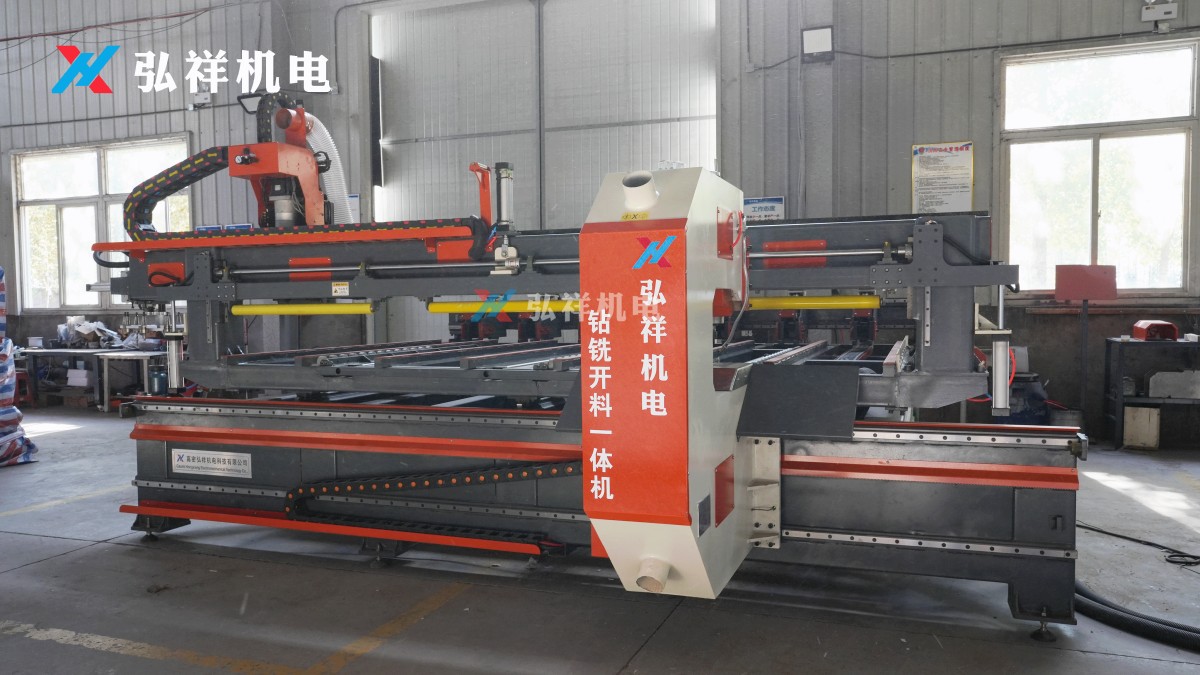
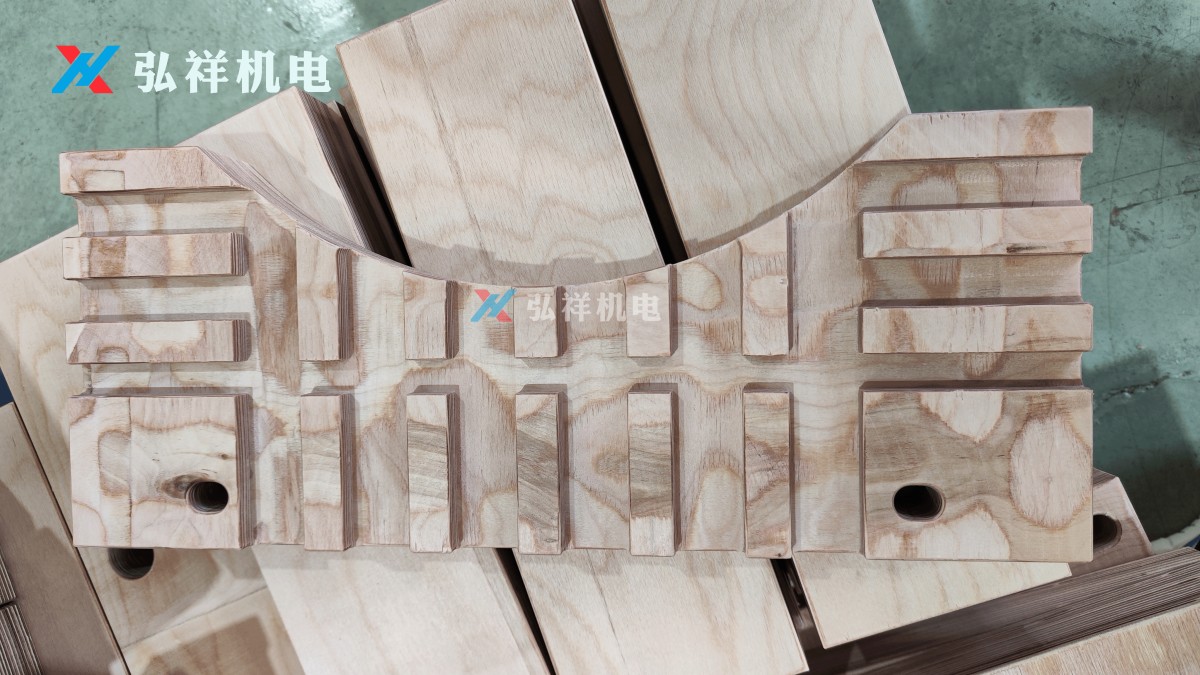
When precision, repeatability, and throughput are critical for iron yoke spacer block processing equipment in oil-immersed transformer manufacturing, choosing a CNC Double-End Chamfering Machine over manual or semi-automatic alternatives delivers measurable advantages—especially for insulating cardboard, electrical cardboard, and electrical laminated wood components. As a leader in transformer insulation part processing, Gaomi Hongxiang Electromechanical Technology Co., Ltd. leverages fully automatic double-end chamfering machines and CNC special-shaped cutting saws to ensure zero-defect edge finishing, compliance with IEC/GB standards, and seamless integration into AI-driven smart production lines.
When Does CNC Double-End Chamfering Justify the Investment?
For manufacturers producing insulating cardboard components at scale—especially those supplying Tier-1 transformer OEMs—the decision isn’t about “if” but “when”. Manual chamfering introduces ±0.8mm dimensional variance per edge; semi-automatic units reduce this to ±0.3mm under ideal conditions. A CNC double-end machine maintains ±0.05mm tolerance across 10,000+ consecutive parts—critical for stacking integrity in high-voltage yoke spacers.
Three operational thresholds trigger ROI clarity: (1) batch volumes exceeding 500 units/month; (2) required chamfer angle consistency across ≥3 angles (e.g., 30°–45°–60°); and (3) integration needs with upstream CNC cutting or downstream AI vision inspection systems. Gaomi Hongxiang’s machines support real-time data exchange via Modbus TCP and OPC UA protocols—enabling traceability down to individual component serial numbers.
Unlike retrofit solutions, our purpose-built platforms handle material thicknesses from 3mm to 45mm and widths up to 1,200mm—covering standard electrical cardboard (0.5–12mm), laminated wood (15–40mm), and hybrid EVA-composite laminates. Feed rates adjust dynamically between 2–15 m/min based on density and moisture content—preventing delamination during high-speed edge profiling.
Key Decision Triggers by Role
- Procurement & Finance: Payback achieved within 11–14 months when replacing two semi-auto stations + three operators (annual labor savings: $42,000–$68,000 USD).
- Quality & Safety: Eliminates 92% of edge-related rework flagged in IEC 60641-2 audits—reducing non-conformance reports by ≥3.7 per quarter.
- Operations: Enables 24/7 unmanned operation with tool-life monitoring, auto-compensation for cutter wear, and predictive maintenance alerts sent to WeChat/Email/SMS.
CNC vs. Manual vs. Semi-Automatic: A Technical & Operational Comparison
The following table compares core performance metrics across three approaches—validated across 27 customer installations in India, Russia, and Vietnam (2022–2024). All data reflects real-world performance on 3.5mm kraft insulating cardboard and 22mm laminated beechwood.
This comparison confirms that CNC double-end chamfering isn’t merely faster—it eliminates human-induced variability in feed pressure, cutter engagement depth, and angular alignment. For safety-critical applications like HV transformer yokes, even minor chamfer inconsistencies can accelerate partial discharge onset. Gaomi Hongxiang’s machines include integrated laser-based edge detection and force-sensing spindles that automatically halt operation if material deviation exceeds 0.12mm—ensuring compliance with GB/T 13540-2009 and IEC 60076-21 requirements.
Why Transformer Manufacturers Choose Gaomi Hongxiang for Insulation Part Processing
Gaomi Hongxiang doesn’t sell generic CNC machinery—we engineer solutions for the specific physics of electrical insulation materials. Our double-end chamfering systems integrate patented anti-static dust extraction (≤1.2 mg/m³ airborne particulate), low-friction ceramic guide rails (lifespan: 12,000+ operating hours), and adaptive spindle torque control calibrated for kraft cardboard’s 45–65% moisture sensitivity range.
Every unit ships with pre-loaded process recipes for common insulation geometries: rectangular yoke spacers (300×120×25mm), trapezoidal core clamps, and stepped laminated blocks. Commissioning includes on-site calibration against customer’s reference samples and full operator training—including troubleshooting flowcharts for 17 most frequent fault codes.
Global clients rely on our service framework: 48-hour remote diagnostics, 7-day spare parts dispatch from Qingdao or Singapore hubs, and bilingual (English + local language) technical documentation compliant with ISO 8573-1 and GB/T 19001-2016. We’ve delivered 142 units to 37 countries since 2020—with 94.6% of customers placing repeat orders within 22 months.
What You’ll Receive When You Engage With Us
- Free material test-cutting report (including surface roughness Ra ≤1.6μm verification)
- Customized workflow integration plan (with your existing ERP/MES/SCADA systems)
- IEC/GB compliance gap analysis + certification roadmap (including third-party lab coordination)
- Operator certification program (valid for 3 years, with annual refresher modules)
Next Steps: Get Your Precision Edge Finishing Assessment
If your current chamfering process involves manual touch-up, inconsistent angle repeatability, or unplanned downtime due to cutter breakage—schedule a no-cost application review with our transformer insulation processing specialists. We’ll analyze your typical part mix (dimensions, material grades, batch sizes), recommend optimal configuration (standard vs. AI-integrated model), and provide delivery timeline, FOB pricing, and installation checklist—all within 3 business days.
Contact us today to request: (1) sample chamfering test report for your specific insulating cardboard grade; (2) 3D layout drawing compatible with your factory floor dimensions; or (3) certified compliance summary for your target export markets (India BIS, Russia EAC, ASEAN TISI).
NAVIGATION
MESSAGE
Request A Quote?