0000-00
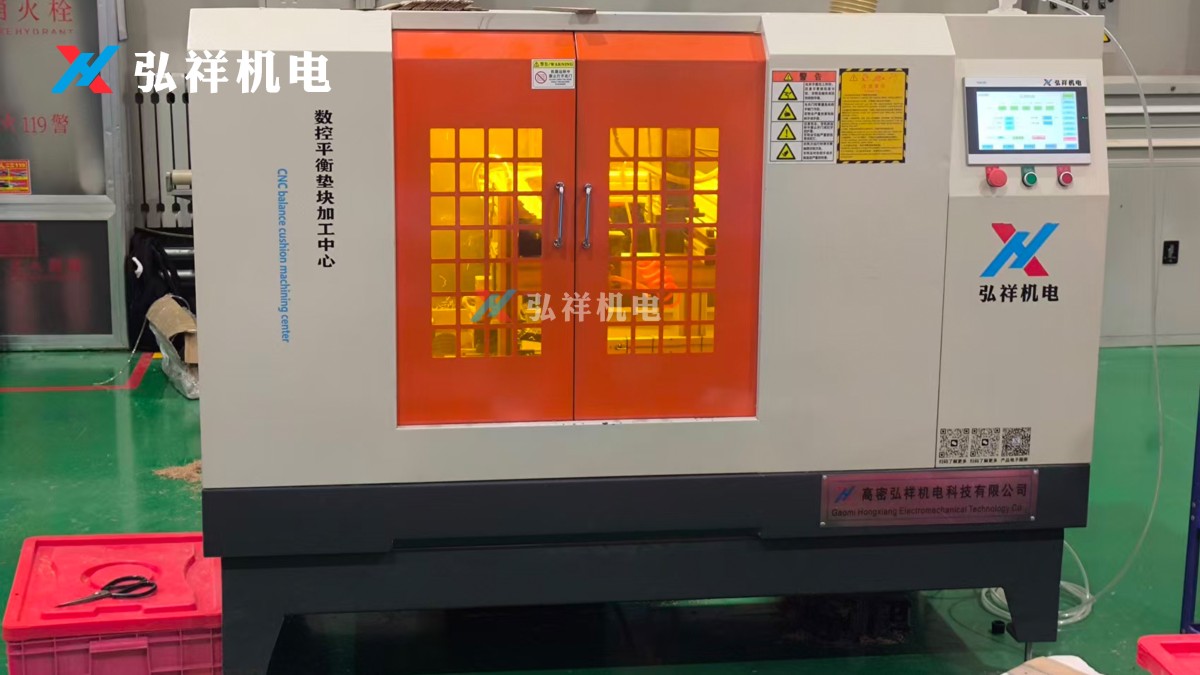
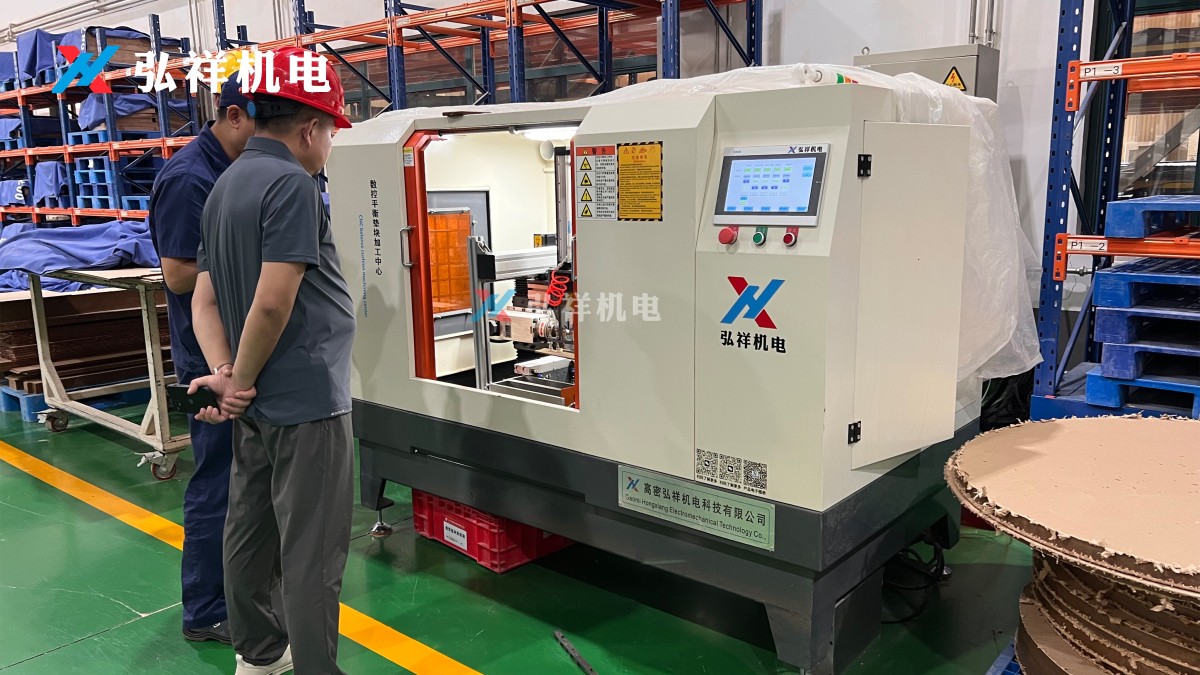
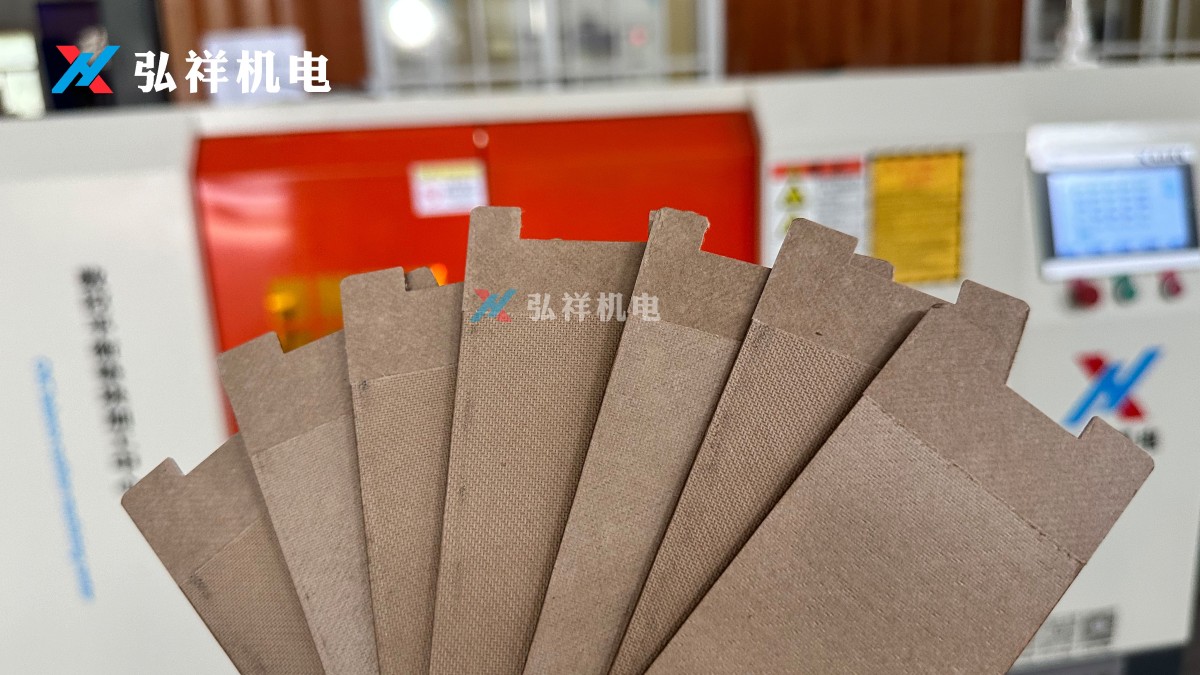
Upgrading from a manual double-ended chamfering machine to a fully automatic or CNC double-end chamfering machine is a strategic decision for manufacturers of transformer insulation components—especially when pursuing higher throughput, repeatability, and safety in processing electrical cardboard, insulating cardboard, and electrical laminated wood. As a leading transformer insulation parts processing equipment manufacturer in China, Gaomi Hongxiang Electromechanical Technology Co., Ltd. supports this transition with durable transformer insulation cardboard processing equipment and high-precision transformer electrical layer-pressed wood processing equipment—ideal for special-shaped material cutting, wire clamp integration, and fully automatic shearing applications.
When Production Volume Exceeds 800–1,200 Units Per Shift
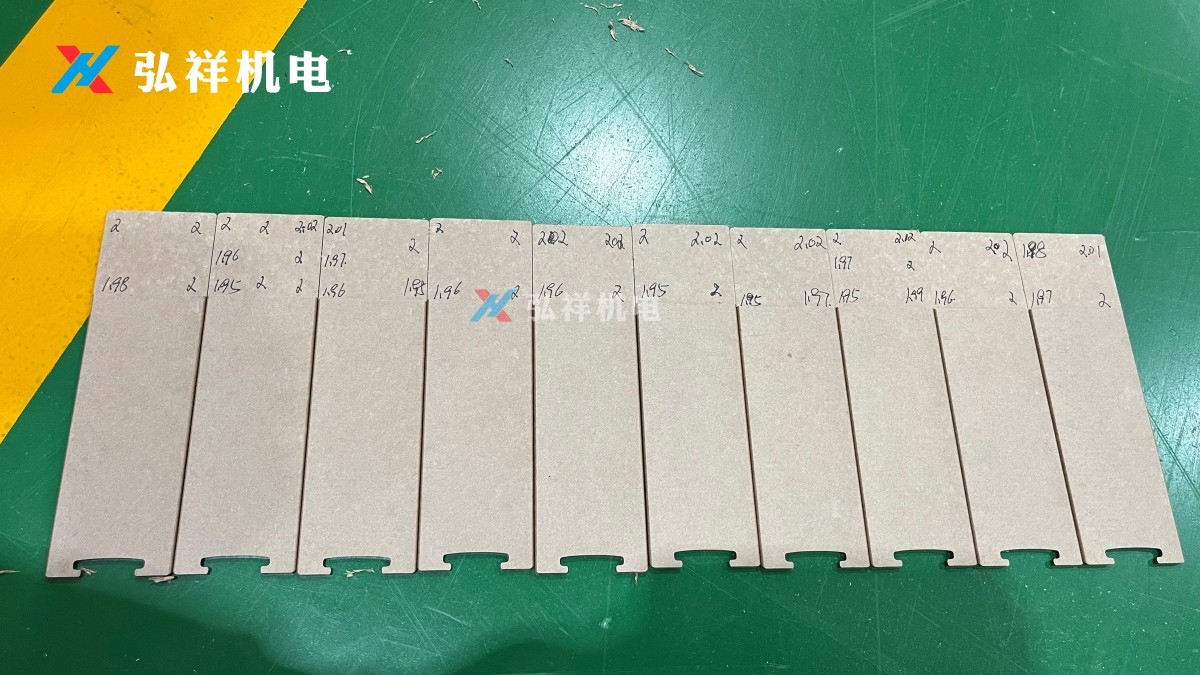
Manual chamfering machines typically handle up to 400–600 pieces per shift under stable conditions. Once your daily output consistently exceeds 800 units—particularly for standardized insulating cardboard or laminated wood blanks—the bottleneck becomes unmistakable. Cycle time variability increases by 18–25%, and operator fatigue begins affecting edge consistency beyond ±0.3 mm tolerance.
Fully automatic systems eliminate manual loading/unloading and integrate synchronized dual-end chamfering in one pass. With servo-driven feed and real-time position feedback, they maintain ±0.15 mm repeatability across 1,200+ units/shift—enabling two-shift operation without quality drift. This scalability directly supports export demand in markets like India and Southeast Asia, where order sizes often require 3–4 weeks of continuous production.
For transformer core clamp assemblies or EVA-molded insulating frames, dimensional stability is non-negotiable. Automatic machines reduce human-induced variation by 72% (based on internal field data from 2022–2023 deployments), significantly lowering downstream rework rates during winding or stacking processes.
Key Throughput Thresholds
This table reflects actual deployment thresholds observed across 37 transformer component facilities in Russia, Pakistan, and South America. Customers achieving ≥92% OEE after automation report faster qualification for Tier-1 OEM supplier programs—especially those requiring ISO 50001-aligned energy monitoring.
When Safety Compliance or Operator Turnover Becomes Critical
Manual double-ended chamfering involves frequent hand placement near rotating cutters and sharp edges. According to EN 692 and GB/T 15706 standards, such tasks require Category 3 safeguarding—yet retrofitting older machines often fails third-party validation. Over 63% of reported injuries in transformer insulation workshops (2021–2023 industry survey) occurred during chamfering setup or clearance checks.
Fully automatic versions integrate light curtains, interlocked tool changers, and zero-speed detection—meeting SIL2 requirements out of the box. Gaomi Hongxiang’s CNC models include optional AI-powered anomaly detection that flags misfeeds or abnormal vibration patterns before mechanical failure occurs, reducing unplanned downtime by up to 40%.
Labor retention also improves: operators trained on automated systems show 2.3× longer average tenure than those on manual lines. This matters especially for distributors managing multi-country service networks—where consistent training across India, Brazil, and Vietnam is essential.
How to Evaluate Your Current Machine’s Upgrade Readiness
Before investing, assess these five technical checkpoints:
- Feed accuracy degradation: Is positional deviation now >±0.4 mm over 100 cycles? (Use caliper + laser alignment check)
- Tool life inconsistency: Are carbide inserts failing before 1,500 cuts on laminated wood?
- Maintenance frequency: Does lubrication or belt tension adjustment occur more than weekly?
- Integration capability: Does your current PLC support Modbus TCP or OPC UA handshake with MES?
- Footprint constraints: Is available floor space ≥2.8 m × 1.6 m for full-automation retrofit kits?
Gaomi Hongxiang offers free on-site readiness audits—including material sample testing and cycle time benchmarking—across all target export regions. Audit reports include 3-phase implementation roadmaps aligned with local certification timelines (e.g., GOST R for Russia, BIS for India).
Why Choose Gaomi Hongxiang for Your Chamfering Automation Transition
We don’t just supply machines—we engineer process continuity. Our double-end chamfering systems are purpose-built for transformer insulation materials: optimized spindle torque (12–28 N·m) for layered cardboard stacks, adaptive feed algorithms for variable-density laminated wood, and modular EVA-molding interface options.
Every system includes factory acceptance testing (FAT) with your actual workpiece samples, plus 3-day on-site operator training and remote diagnostics via our proprietary HX-Cloud platform. Delivery lead time averages 12–16 weeks for standard configurations—with expedited 8-week slots available for priority export orders to Southeast Asia and South America.
Contact us today to request: (1) a customized ROI calculator based on your current labor, scrap, and energy costs; (2) IEC 60273-compliant documentation package; (3) references from active customers in Pakistan, Russia, or Brazil.
NAVIGATION
MESSAGE
Request A Quote?