0000-00
Many buyers choose cost-effective laminated wood processing equipment to control upfront spending, but finance approvers know the real question is total operating cost. When maintenance, energy use, downtime, and output stability are overlooked, a seemingly economical machine can quickly become expensive to run. Understanding these hidden cost drivers is essential for making smarter, lower-risk investment decisions in laminated wood processing.
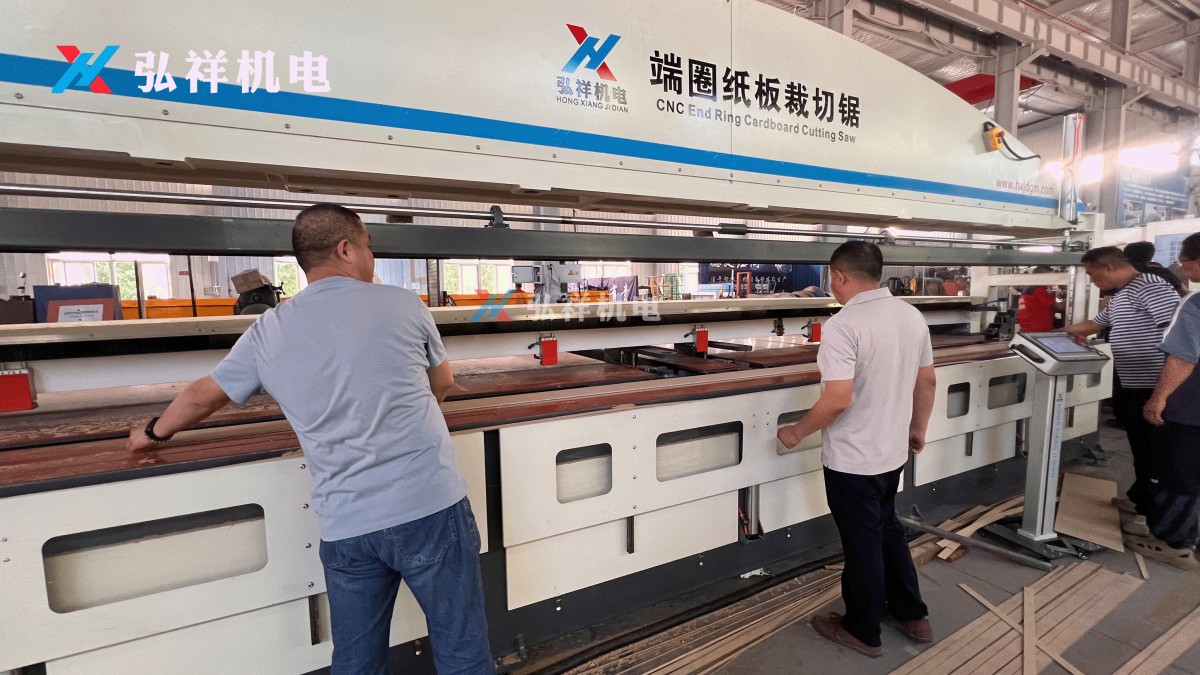
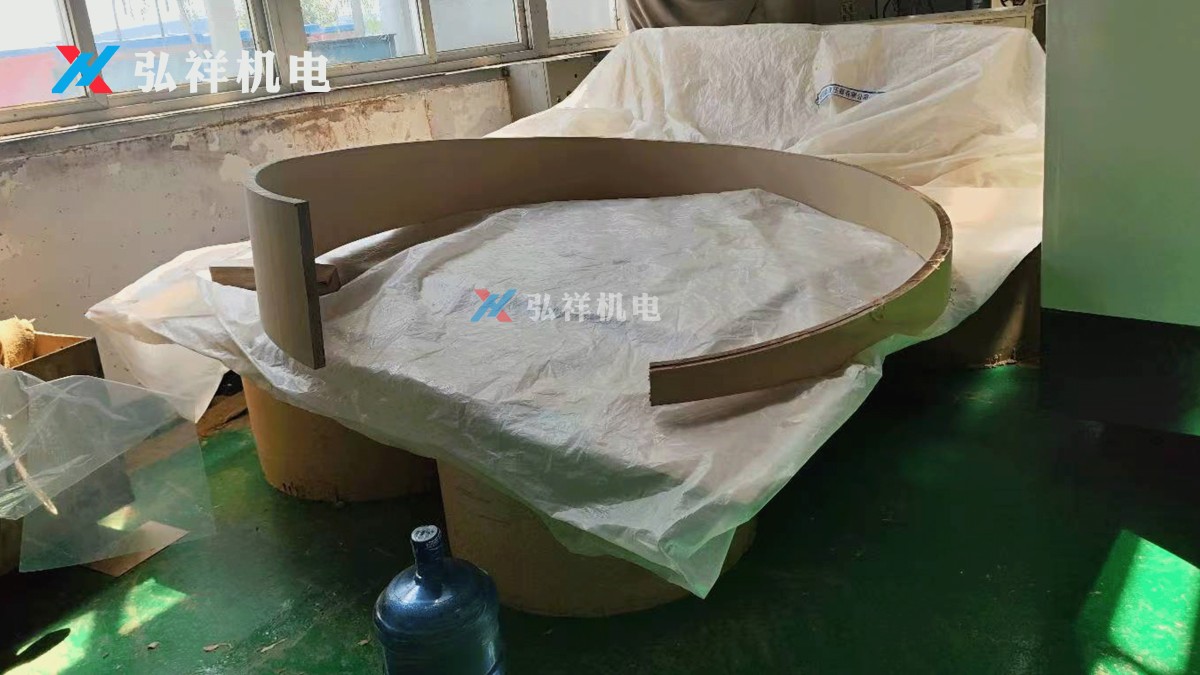
What does “cost-effective” really mean in laminated wood processing equipment?
For many procurement teams, cost-effective laminated wood processing equipment means a lower purchase price combined with acceptable basic performance. For financial approvers, however, that definition is incomplete. In machine tool equipment used for insulating laminated wood and related electrical insulation components, the most important measure is not what the machine costs on day one, but what it costs across years of production.
A machine can look attractive because it is affordable, available quickly, and marketed as easy to operate. Yet if it consumes excessive power, needs frequent part replacement, requires highly skilled technicians for setup, or causes unstable product quality, the total cost rises quickly. This is especially true in laminated wood processing, where dimensional precision, surface integrity, repeatability, and process reliability directly affect yield and downstream assembly.
In other words, cost-effective laminated wood processing equipment should be judged through total cost of ownership, not sticker price. That includes acquisition, installation, operator training, maintenance, spare parts, unplanned downtime, energy use, scrap rate, and the financial impact of delayed orders. A machine that saves 10% at purchase but creates 25% more operating cost is not cost-effective in any meaningful financial sense.
Why can low-priced laminated wood processing machines become expensive to run?
The short answer is that low entry price often hides structural operating burdens. In the machine tool equipment sector, manufacturers may reduce upfront cost by simplifying motion control systems, using lower-grade bearings or spindles, limiting automation, or supplying less robust electrical components. Those decisions may not be obvious during quotation review, but they show up in production reality.
One common issue is maintenance frequency. If wear parts degrade quickly when processing laminated wood sheets or insulation boards, the line stops more often, labor time increases, and replacement inventory must be stocked. Another issue is cutting stability. Machines with weaker rigidity or inconsistent feed control can create edge defects, dimensional error, or delamination risk, leading to rework and higher material loss.
Energy consumption is another hidden cost. A cheaper machine may use older drive systems, less efficient motors, or poorly optimized motion sequences. On paper, the difference per hour may look small. Across full-year operation, especially in multi-shift production, the power bill can become a major budget item. Financial reviewers should also consider auxiliary costs such as dust extraction compatibility, air system load, cooling requirements, and factory electrical adaptation.
Then there is downtime. When a machine stops unexpectedly, the cost is not limited to repair. It can affect delivery schedules, workforce utilization, customer confidence, and capacity planning. For factories serving transformer and insulation manufacturing, production continuity matters because downstream assembly windows are often tightly coordinated.
Which hidden cost drivers should financial approvers evaluate before approving a purchase?
Financial decision-makers should go beyond broad claims and ask for measurable evidence. The most useful approach is to break cost-effective laminated wood processing equipment into operating cost categories and review each one as a controllable business variable.
These categories are highly relevant when evaluating cost-effective laminated wood processing equipment for insulation board, laminated wood parts, and other transformer-related components. The right question is not, “Is this machine affordable?” but, “How much cost does this machine lock into our operation over three to five years?”
How can buyers tell whether equipment is suitable for their production scenario?
Suitability depends on production mix, tolerance demands, operating hours, and technical support expectations. A machine that performs adequately for light-duty, low-volume work may not be economical in a plant with continuous production, strict quality control, and frequent model changes. Finance approvers should therefore ask for scenario-based evaluation rather than generic specifications.
Start with product characteristics. Laminated wood processing can involve different thicknesses, sizes, cutting paths, drilling patterns, slotting requirements, and finishing expectations. If a machine struggles with thicker sections, precision edges, or repeat positioning, the operating burden grows. A machine may still be called cost-effective laminated wood processing equipment in a sales brochure, but if it needs constant adjustment to handle your actual products, its practical cost rises fast.
Then review production rhythm. Does the equipment support rapid setup for multiple product types? Can it maintain stable performance during long shifts? Is operator intervention frequent? A machine with low purchase cost but high dependency on experienced operators often becomes risky when labor turnover is high or training resources are limited.
Supplier capability also matters. A reliable equipment partner should not only manufacture machines, but also understand insulating laminated wood processing, process optimization, installation, training, and after-sales support. Companies such as Gaomi Hongxiang Electromechanical Technology Co., Ltd., which integrate R&D, design, production, sales, installation, training, and service, can reduce implementation risk because equipment performance is linked to real manufacturing application rather than isolated machine delivery.
What are the most common mistakes when comparing cost-effective laminated wood processing equipment?
The first mistake is comparing only quotations. A lower quote can create a false sense of savings if one supplier excludes commissioning, training, wear parts, software functions, or service response commitments. Financial approvers should compare complete lifecycle assumptions, not only capital expenditure.
The second mistake is relying on nominal speed instead of effective output. Machines may advertise fast movement or cutting speed, but if actual setup, clamping, tool change, and calibration take too long, throughput remains weak. In laminated wood processing, effective output and stable quality matter more than peak speed on a sample test.
The third mistake is ignoring quality variation cost. Even a small increase in defect rate can erase apparent savings. If poor cut consistency leads to rejected insulation parts or rework before assembly, the hidden cost reaches both production and customer service functions.
The fourth mistake is underestimating after-sales support. Fast technical response, remote diagnosis, operator training, and spare parts supply directly affect uptime. For overseas buyers or exporters serving Southeast Asia, South America, India, Pakistan, Russia, and similar markets, service readiness can be as important as machine specification.
Quick comparison checklist for finance teams
How should a finance approver calculate the real return on investment?
A practical ROI model for cost-effective laminated wood processing equipment should include both visible and hidden variables. Start with the purchase price, freight, installation, electrical adaptation, and operator training. Then add annual maintenance cost, tooling consumption, spare parts, power use, and expected service visits. After that, estimate production-side outcomes: output per shift, reject rate, planned uptime, unplanned downtime, and labor requirement per unit.
It is equally important to model downside risk. Ask what happens if the machine loses one shift per month to failure. Ask what a 2% increase in scrap means for material expense. Ask how much revenue is delayed if a key order cannot be shipped on time. These scenario calculations often change the investment conclusion more than the original quotation difference.
Finance teams should also consider strategic return. Equipment that supports broader material processing, improved consistency, and easier operator training can reduce expansion risk. In specialized sectors such as transformer component manufacturing and electrical insulation processing, stable capability often creates value beyond immediate unit cost because it protects delivery commitments and customer trust.
What should be confirmed before moving forward with procurement or supplier discussion?
Before approving cost-effective laminated wood processing equipment, decision-makers should request evidence in five areas. First, ask for machine performance based on your actual material and part types, not generic demos. Second, confirm expected maintenance intervals and spare parts lead times. Third, review energy consumption and utility requirements under normal operating conditions. Fourth, verify training scope, commissioning support, and post-installation service process. Fifth, ask for realistic production output assumptions rather than ideal test numbers.
It is also wise to clarify whether the supplier can support future changes. If your factory may expand into additional insulation parts, EVA molding-related processes, or special machine applications, equipment flexibility becomes a financial advantage. A supplier with integrated engineering and manufacturing capability is often better positioned to adapt equipment and support long-term process improvement.
Ultimately, the best cost-effective laminated wood processing equipment is the one that keeps quality stable, output predictable, maintenance manageable, and lifecycle cost under control. If you need to confirm a practical solution, technical parameters, project timeline, budget range, or cooperation model, the best next step is to discuss your material specifications, target output, tolerance requirements, service expectations, and future capacity plans before final approval.
NAVIGATION
MESSAGE
Request A Quote?