0000-00
For business decision-makers seeking higher efficiency and consistent quality, Automated laminated wood processing equipment is becoming a practical competitive advantage. In transformer and insulating material manufacturing, the right equipment can reduce manual steps, shorten production cycles, and improve precision across laminated wood processing. This article explores where these automated solutions save the most time and how they support scalable, cost-effective operations.
Why time loss still happens in laminated wood processing
In laminated wood and insulating component production, delays rarely come from one dramatic failure. More often, they come from repeated manual handling, setup inconsistency, drawing interpretation errors, and material transfer between separate machines. For companies supplying transformer-related parts, even a 10–20 minute delay at each step can expand into a much longer production cycle across a medium batch.
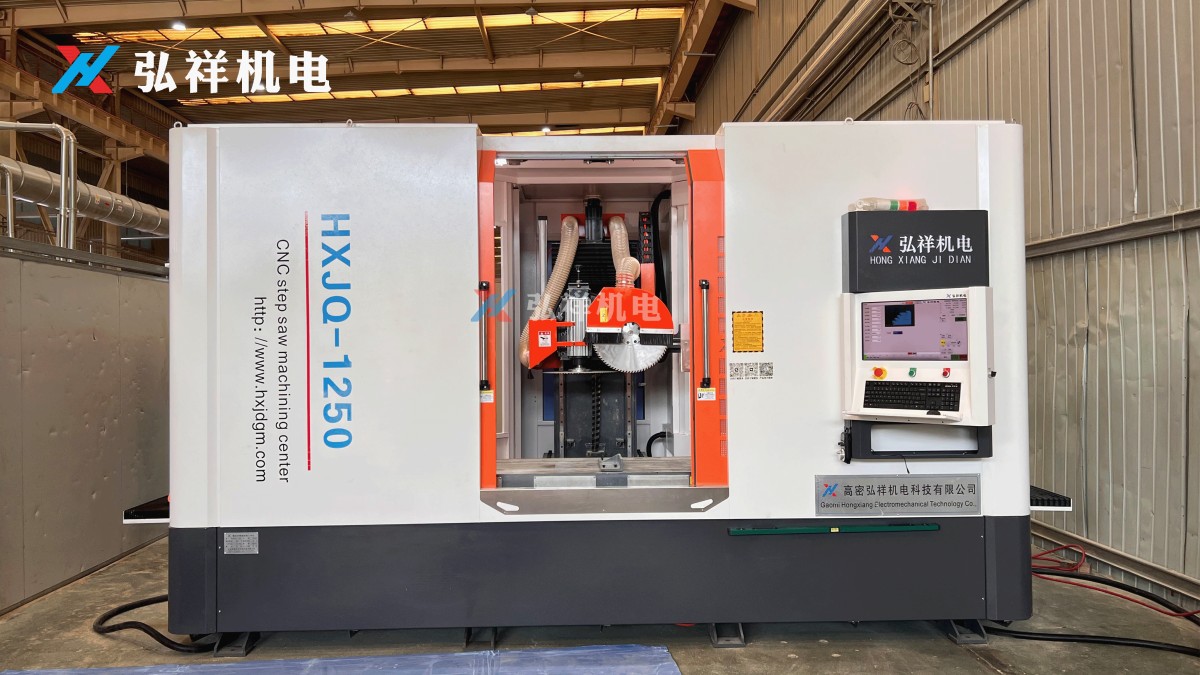
This is where Automated laminated wood processing equipment creates value. It reduces dependence on operator judgment for positioning, cutting sequence, drilling paths, and repeat operations. In a machine tool environment, the main objective is not only faster machining speed, but also fewer interruptions between preparation, execution, inspection, and rework.
For enterprise buyers, the key question is simple: where does automation save the most time in real production? The answer usually falls into 4 high-impact areas: material preparation, multi-process machining, batch consistency, and downstream delivery readiness. These areas directly affect labor scheduling, machine utilization, and order commitment reliability.
Gaomi Hongxiang Electromechanical Technology Co., Ltd. works in power transformer assembly and manufacturing services, while also processing electrical insulating cardboard, insulating laminated wood, insulating parts, and EVA molding products. This cross-process background matters because automated equipment decisions should match the full workflow, not just a single cutting task.
Typical sources of hidden production delay
- Repeated manual measurement before cutting, drilling, slotting, or edge finishing.
- Frequent fixture adjustment when part sizes change in small- to medium-volume orders.
- Unstable dimensional accuracy that forces a second inspection or local repair.
- Workflow gaps between design, machining, installation, operator training, and after-sales support.
When these delays accumulate over 2–3 shifts or over a 7–15 day delivery window, decision-makers begin to see that manual methods are not simply slower; they also create planning uncertainty. Automated laminated wood processing equipment helps control both speed and predictability.
Where Automated laminated wood processing equipment saves the most time
The strongest time-saving impact usually appears at points where workpieces are touched multiple times. If one part must be measured, marked, moved, clamped, machined, checked, and moved again, time is being spent outside actual value-added cutting. Automated laminated wood processing equipment reduces those non-cutting intervals.
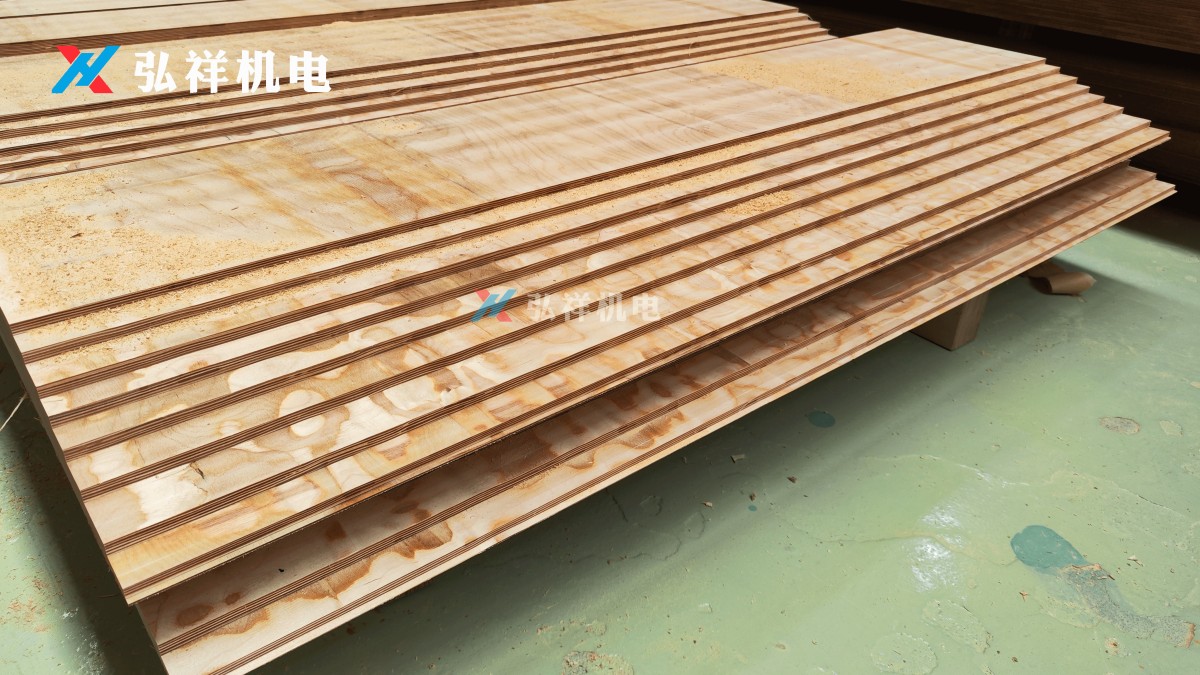
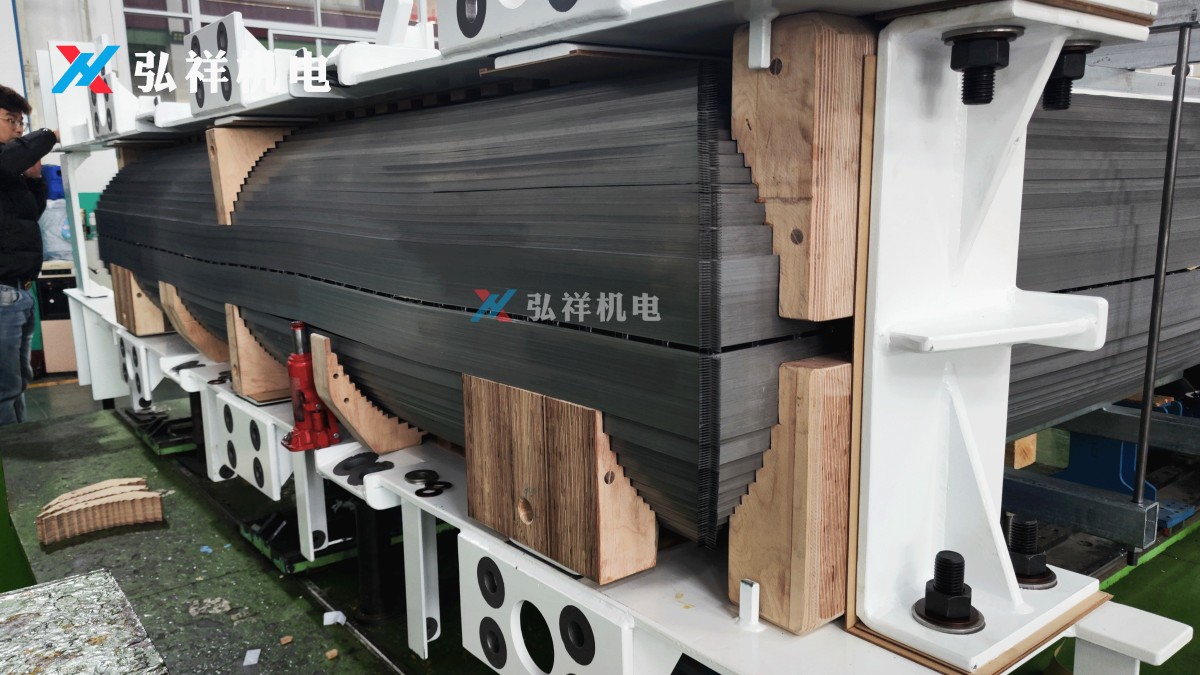
In insulating laminated wood applications, production often includes cutting, grooving, drilling, profiling, and sometimes shaping for transformer structures and related insulating parts. Combining more than one of these operations into a coordinated automated workflow can shorten the effective production cycle by reducing transfer time between stations.
The table below highlights where enterprises typically gain the clearest time advantage when moving from conventional manual or semi-manual methods to automated laminated wood machining solutions.
For buyers evaluating equipment return, this table shows an important reality: time savings do not come from spindle speed alone. They come from eliminating repeat manual actions across 3–5 linked process stages. That distinction is especially important in machine tool projects serving transformer and insulation manufacturing.
High-value time-saving scenarios
1. Frequent batch changeovers
If your production includes multiple specifications each week, automation reduces downtime between jobs. Instead of relying on manual templates, digital process settings help operators switch programs more quickly. In many workshops, changeover time is a larger bottleneck than machining time itself.
2. Parts requiring repeat drilling and slot accuracy
Transformer insulation structures often require repeatable hole positions, grooves, and profiles. When tolerance control becomes unstable, operators spend additional time checking and adjusting fit. Automated laminated wood processing equipment can reduce this loop by maintaining consistent tool paths over continuous runs lasting several hours.
3. Orders under delivery pressure
For urgent export or project-based schedules, a machine that reduces manual intervention can support more predictable lead times. Buyers should think in terms of total order flow over 2–4 weeks, not just one machine cycle. Predictability helps sales teams commit to customers with lower operational risk.
Which technical features matter most for enterprise buyers
Not every automated solution delivers the same operational value. Some machines are technically automated but still require heavy manual preparation. For decision-makers, the better approach is to evaluate Automated laminated wood processing equipment using 5 practical dimensions: process coverage, repeatability, changeover speed, maintainability, and service support.
In laminated wood machining, equipment should be matched to material characteristics, part geometry, daily output targets, and operator skill level. A complex machine without suitable training may reduce efficiency in the first 2–6 weeks after installation. This is why supplier capability in installation, training, and after-sales matters as much as the machine specification.
Gaomi Hongxiang Electromechanical Technology Co., Ltd. integrates R&D and design, production, sales, installation, training, and after-sales service. For buyers, this integrated structure helps shorten coordination time during equipment introduction, especially when production involves insulating cardboard, laminated wood, insulating parts, or related transformer manufacturing needs.
A practical selection framework
The following table can be used during supplier evaluation meetings. It focuses on procurement questions that directly affect production uptime, implementation speed, and long-term operating stability.
A useful procurement habit is to score each supplier on 3 categories: machine capability, workflow fit, and service execution. This prevents a common mistake in which buyers choose only by purchase price while underestimating startup delays and post-installation adjustment time.
Key checks before approval
- Confirm whether the equipment is intended for small batch, medium batch, or large batch laminated wood processing.
- Ask how many operator interventions are still needed per cycle after automation is enabled.
- Review the typical implementation timeline, such as design confirmation, production, installation, commissioning, and training.
- Check compatibility with your existing transformer or insulating parts workflow, not just the single target machine.
If these checks are done early, buyers can avoid a 2-stage problem: purchasing a machine that looks efficient in demonstration but creates hidden inefficiency in daily plant use. Automated laminated wood processing equipment should simplify operations, not move complexity from one department to another.
How to compare automation with manual or semi-automatic alternatives
Automation is not automatically the right choice for every plant. A workshop handling very limited output and low part variation may still operate adequately with semi-automatic methods. However, once product combinations expand, or when repeat quality becomes a contract issue, the economics start shifting toward automated laminated wood processing lines or integrated machine solutions.
Decision-makers should compare alternatives based on total operating effect over 12 months, not only first investment. Manual and semi-automatic setups may appear lower cost, but they often require more labor hours, more supervision, more intermediate checks, and more schedule buffering to accommodate uncertainty.
The comparison below is intended as a procurement lens rather than a universal rule. Actual results depend on part complexity, operator experience, batch size, and the maturity of internal process management.
This comparison shows why enterprises with rising output often transition in stages. They move from isolated manual work to semi-automatic control, then to higher integration once daily production, quality stability, or labor cost pressure justifies it. The right path depends on how often your factory runs repeat orders and how costly late delivery has become.
Common decision mistakes
- Buying for peak capacity only, while ignoring frequent low-volume changeovers.
- Evaluating only machine speed, without measuring handling time between workstations.
- Underestimating the value of installation, training, and after-sales support during the first 30–90 days.
- Assuming every automated machine is equally suitable for insulating laminated wood and transformer part workflows.
A disciplined comparison process usually reduces procurement risk more effectively than seeking the lowest quoted price. In machine tool equipment, lower initial cost can lead to longer setup cycles, more frequent adjustment, and less dependable production planning.
Implementation, service support, and what enterprise teams should plan for
The value of Automated laminated wood processing equipment depends heavily on implementation discipline. Even a capable machine can underperform if the factory lacks clear drawing management, operator training, maintenance routines, and acceptance criteria. For most B2B buyers, the transition should be treated as a production project rather than a standalone equipment purchase.
A typical implementation may include 4 stages: technical confirmation, manufacturing and preparation, installation and commissioning, and operator training with early-stage support. Depending on machine complexity and site readiness, this process may run over several weeks. Clear responsibility between supplier and buyer prevents delay during the first production runs.
Gaomi Hongxiang Electromechanical Technology Co., Ltd. combines design, production, installation, training, and after-sales service, which is especially relevant for factories that want one coordination channel. For export-oriented customers in Southeast Asia, South America, India, Pakistan, Russia, and other regions, communication speed and service continuity can directly affect startup efficiency.
Recommended implementation checklist
- Define 3 core part families before final equipment confirmation, so the supplier can align process capability with real production needs.
- Prepare sample drawings, material thickness ranges, and expected batch sizes before commissioning.
- Set 5 key acceptance points, such as process stability, dimensional repeatability, changeover time, operator usability, and maintenance access.
- Schedule operator training for multiple shifts if the equipment will support continuous production.
FAQ for buyers evaluating Automated laminated wood processing equipment
How do I know if automation is justified for my factory?
If your plant regularly faces repeated setups, mixed specifications, tight delivery windows, or rework caused by unstable manual processing, automation deserves serious review. A useful test is to measure how much of one order cycle is spent on handling, measuring, and waiting instead of actual machining. If non-cutting time dominates, automated equipment may deliver meaningful gains.
What should I ask a supplier before requesting a quotation?
Ask about process scope, suitable material types, typical implementation steps, training support, maintenance expectations, and how the machine handles part changeovers. It is also wise to share 2–3 representative workpieces so the supplier can discuss realistic configuration and workflow, rather than providing a generic machine recommendation.
Can automated equipment support customized production instead of only standard parts?
Yes, provided the equipment and control logic are designed for parameter changes and different part programs. In transformer and insulation manufacturing, customization is common. The real question is not whether customization is possible, but how quickly the system can change over while maintaining accuracy and manageable operator workload.
What service capability matters after installation?
The most important factors are response speed, training depth, spare parts planning, and the supplier’s understanding of your application. A machine supplier with experience in insulating laminated wood, insulating parts, and transformer-related manufacturing is generally better positioned to solve process issues than a supplier that only understands generic equipment hardware.
Why choose a supplier with cross-process manufacturing experience
For enterprise procurement teams, the best equipment partner is not always the one offering the broadest catalog. It is often the one that understands how the machine will actually be used in insulating laminated wood, electrical insulating cardboard, transformer assembly, insulating parts production, and related manufacturing flow. That practical process understanding reduces communication gaps and shortens project execution time.
Gaomi Hongxiang Electromechanical Technology Co., Ltd. serves global customers with transformer assembly and manufacturing services, while also processing insulating cardboard, insulating laminated wood, insulating parts, and EVA molding products. The company also supports the manufacturing of special machines for artificial intelligence. This combination makes it easier to discuss equipment selection in the context of real production tasks instead of isolated machine specifications.
If you are comparing Automated laminated wood processing equipment for a new line, a capacity upgrade, or a replacement project, practical consultation should cover more than price. It should include part types, process sequence, batch structure, expected delivery cycle, installation conditions, operator readiness, and service expectations after startup.
You can contact Gaomi Hongxiang Electromechanical Technology Co., Ltd. to discuss parameter confirmation, product selection, typical delivery timelines, custom equipment solutions, application fit for transformer and insulation manufacturing, sample-based evaluation, and quotation communication. For buyers who need a solution aligned with both machine performance and production workflow, that kind of early technical discussion saves time before the purchase and after the machine arrives.
NAVIGATION
MESSAGE
Request A Quote?