0000-00
Many buyers are drawn to low-price options, but cheap layer-pressed wood machines often sacrifice precision, durability, and long-term operating efficiency. When sourcing Cost-effective transformer electrical layer-pressed wood processing equipment, procurement teams need to look beyond the initial quote and assess output quality, maintenance costs, and service support. Understanding where low-cost equipment cuts too much can help you avoid hidden risks and make a smarter investment.
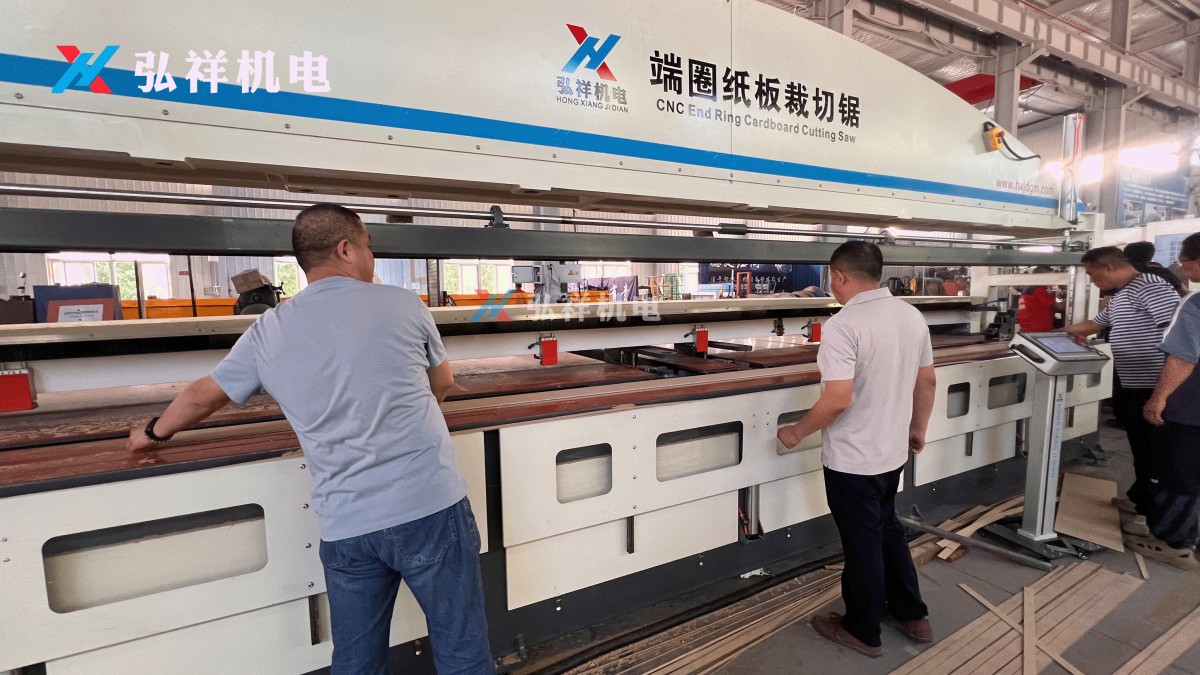
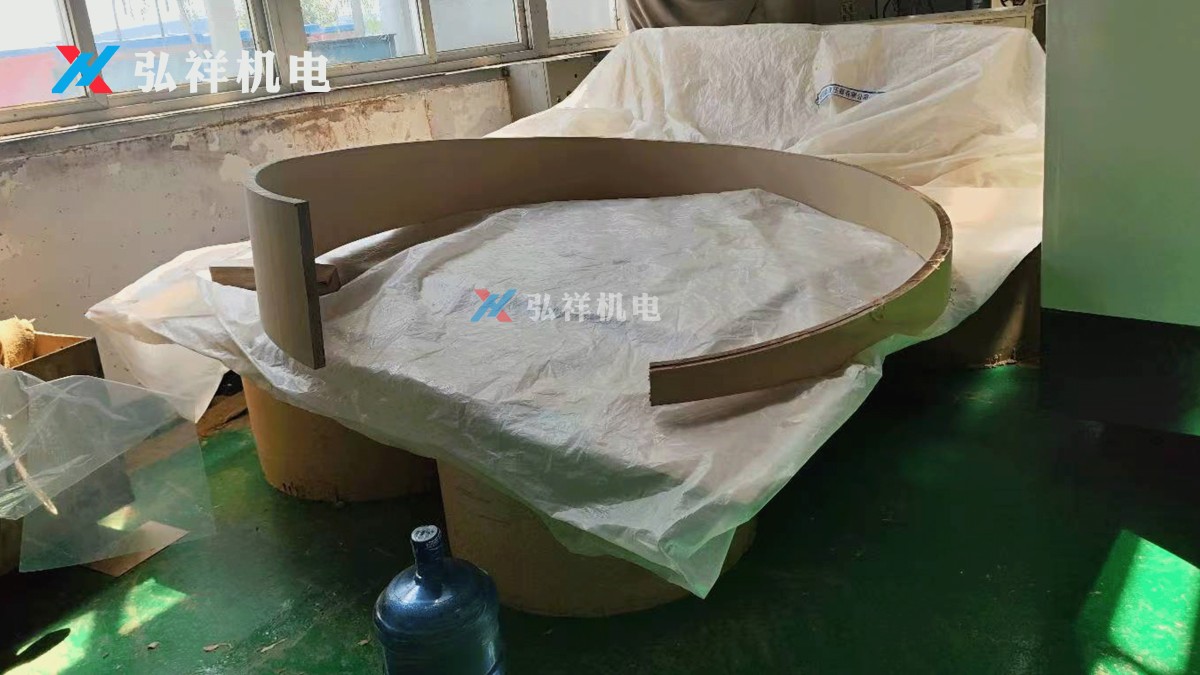
Why does low pricing attract so much attention in layer-pressed wood equipment procurement?
For procurement teams in transformer manufacturing and insulation component production, price is often the first filter. Budget pressure, project deadlines, and the need to compare multiple suppliers make low quotations appear efficient and practical. In markets where many machines look similar on paper, buyers may assume that a lower-cost option can deliver roughly the same output. This is exactly why the search for Cost-effective transformer electrical layer-pressed wood processing equipment is so common.
However, “cost-effective” does not mean “lowest price.” In machine tool equipment, especially for transformer electrical insulating cardboard, laminated wood, and insulation part processing, cost-effectiveness comes from stable accuracy, acceptable production speed, manageable maintenance, and reliable after-sales support. A machine that is cheap to buy but expensive to run is not truly economical. Procurement decisions should therefore focus on total value over the equipment lifecycle, not just the purchase order amount.
This is particularly important when layer-pressed wood components must meet dimensional consistency, clean cutting quality, and insulation-grade processing standards. If equipment cannot maintain repeatability, the hidden costs quickly spread into material waste, rework, delayed delivery, and customer complaints.
What does cheap layer-pressed wood equipment usually cut first?
Low-price machines rarely reduce cost in only one area. They often cut too much across several critical points at the same time. For procurement personnel, the key is to identify which reductions are merely cosmetic and which ones directly affect production capability.
1. Mechanical rigidity and frame quality
Layer-pressed wood processing demands stable cutting force control. If the machine frame, guide rails, spindle structure, or worktable are weak, vibration increases and cutting accuracy drops. On day one, a low-cost machine may look acceptable. After several months of continuous use, looseness, deformation, and poor alignment often appear. This directly impacts edge finish and dimensional tolerance.
2. Control system and process stability
Some budget suppliers use outdated or simplified control systems. The result is unstable feeding, inconsistent cutting depth, poor repeatability, and limited parameter adjustment. For buyers seeking Cost-effective transformer electrical layer-pressed wood processing equipment, process control matters because transformer insulation parts are not generic wood products. Precision and consistency are essential for assembly fit and electrical reliability.
3. Component lifespan
Motors, bearings, ball screws, pneumatic parts, electrical components, and cutting system parts can vary widely in quality. Lower quotations are often achieved by using components with shorter service life or weaker performance. That may not be obvious during inspection, but it becomes expensive during actual production.
4. Safety and operator convenience
Another area where low-cost equipment often cuts too much is safety design. Inadequate guarding, poor dust control, weak emergency-stop systems, and inconvenient tooling adjustments can increase operator risk and slow down production. In a busy factory, even small inefficiencies multiply over time.
5. Service, training, and documentation
A very low price may exclude proper installation guidance, operator training, spare parts planning, or troubleshooting support. This is one of the most common hidden gaps. A machine that cannot be maintained quickly is not really economical, especially for export-oriented or deadline-sensitive manufacturers.
How can buyers judge whether Cost-effective transformer electrical layer-pressed wood processing equipment is truly economical?
A practical procurement evaluation should move from quoted price to total operating cost. The right question is not “Which machine is cheapest?” but “Which machine produces qualified parts at the lowest real cost over time?”
Start by checking cutting precision, finished surface quality, production rhythm, and material utilization. Then verify whether those results remain stable after extended operation. A supplier that can explain machine structure, processing logic, component brands, maintenance cycles, and customer use cases usually offers more reliable value than one that only emphasizes discount pricing.
For procurement professionals, it is useful to compare machines using a structured review instead of a single price column.
When this comparison is done carefully, many “cheap” machines stop looking cheap. Real Cost-effective transformer electrical layer-pressed wood processing equipment should reduce waste, support consistent output, and avoid frequent downtime.
Which hidden costs are most likely to appear after buying very cheap equipment?
The biggest procurement risk is not overpaying for a good machine. It is underestimating what a poor machine will cost after installation. Hidden costs often emerge slowly, which is why they are missed during quotation comparison.
Material loss and rework
If cutting dimensions drift or surfaces chip, operators may need to reprocess parts or discard material entirely. In laminated wood and electrical insulation applications, these losses can become significant because quality deviations may affect downstream assembly and insulation integrity.
Unplanned downtime
A low-cost machine that fails repeatedly interrupts schedules and reduces workshop utilization. Every stop means labor waste, delayed shipment, and possible overtime. If spare parts are not standardized or quickly available, downtime becomes even more expensive.
Higher labor dependence
Poorly designed equipment often requires more operator correction, manual adjustment, and frequent checking. This reduces production efficiency and makes results highly dependent on experienced staff. In contrast, well-designed Cost-effective transformer electrical layer-pressed wood processing equipment should simplify operation and make output more predictable.
Weak after-sales response
Many low-cost offers leave service unclear. If the supplier cannot provide installation training, remote diagnostics, consumable recommendations, or technical response, procurement savings disappear very quickly. For global buyers, communication speed and export service experience matter just as much as machine configuration.
What should procurement teams ask suppliers before making a final decision?
A strong supplier conversation should go beyond brochures. Buyers should use direct questions that reveal whether the equipment is built for real transformer insulation production or simply adapted from generic wood processing machinery.
- What materials and thickness ranges can the machine process stably?
- What tolerance level can be maintained during continuous production?
- Which key mechanical and electrical components are used?
- How are dust extraction, safety protection, and operator access handled?
- What training, installation, and after-sales response are included?
- Can the supplier provide processing samples, running videos, or case references?
- How quickly can common spare parts be delivered?
These questions help distinguish between a sales-driven quote and a production-ready solution. A manufacturer with integrated R&D, design, production, installation, training, and after-sales capability is often better positioned to support custom requirements and long-term use. This is especially relevant for companies that process insulating cardboard, insulating laminated wood, EVA molded parts, or need special machines for advanced industrial applications.
Are all low-price machines a bad choice, or are there cases where a lower budget still works?
Not every lower-priced machine is automatically a poor investment. The real issue is whether the machine matches the buyer’s production goals. If output volume is limited, part complexity is low, and tolerance demands are moderate, a simpler machine may be acceptable. But that only works if the supplier is transparent about performance boundaries.
Procurement teams should avoid buying below their actual need. A machine that seems sufficient for current orders may become a bottleneck when order volume grows, product specifications tighten, or export quality requirements increase. Choosing Cost-effective transformer electrical layer-pressed wood processing equipment means selecting a machine that fits today’s workload while leaving practical room for reliability, consistency, and serviceability tomorrow.
What are the most common mistakes buyers make when comparing equipment?
One common mistake is comparing only configuration lists without understanding how the machine performs in actual production. Similar descriptions do not guarantee similar results. Another mistake is assuming that warranty length alone reflects machine quality. A long warranty is useful, but it does not replace strong structure, good components, or responsive technical support.
Buyers also sometimes overlook application fit. Equipment for generic panel work may not be suitable for transformer electrical laminated wood processing. Material properties, cutting cleanliness, dimensional consistency, and downstream assembly needs all matter. The most reliable procurement approach is to evaluate the machine based on actual workpieces, expected output, operating environment, and service requirements.
Finally, some teams underestimate the value of supplier capability. A company that integrates design, manufacturing, installation, training, and after-sales service can usually provide more stable support than a trading-only source. For international procurement, this can reduce communication gaps and improve implementation speed.
How should buyers move forward if they want a safer procurement decision?
The safest path is to define technical requirements first, then screen suppliers against those requirements instead of chasing the lowest number. Confirm the material type, thickness range, target tolerance, expected daily output, operator skill level, maintenance capability, and delivery schedule. After that, request sample processing evidence, core component details, service scope, and spare parts planning.
When evaluating Cost-effective transformer electrical layer-pressed wood processing equipment, buyers should also ask whether the supplier can adapt the solution to special production needs. This is where experienced manufacturers bring extra value. Companies with expertise in transformer assembly support, insulating cardboard processing, laminated wood manufacturing, insulation parts production, and special machine development are often better able to recommend practical equipment rather than generic models.
If you need to confirm a suitable solution, parameters, delivery cycle, quotation logic, or cooperation mode, start by discussing your workpiece drawings, material specifications, required precision, production volume, and after-sales expectations. Those questions will reveal much more than a low price ever can.
NAVIGATION
MESSAGE
Request A Quote?