0000-00
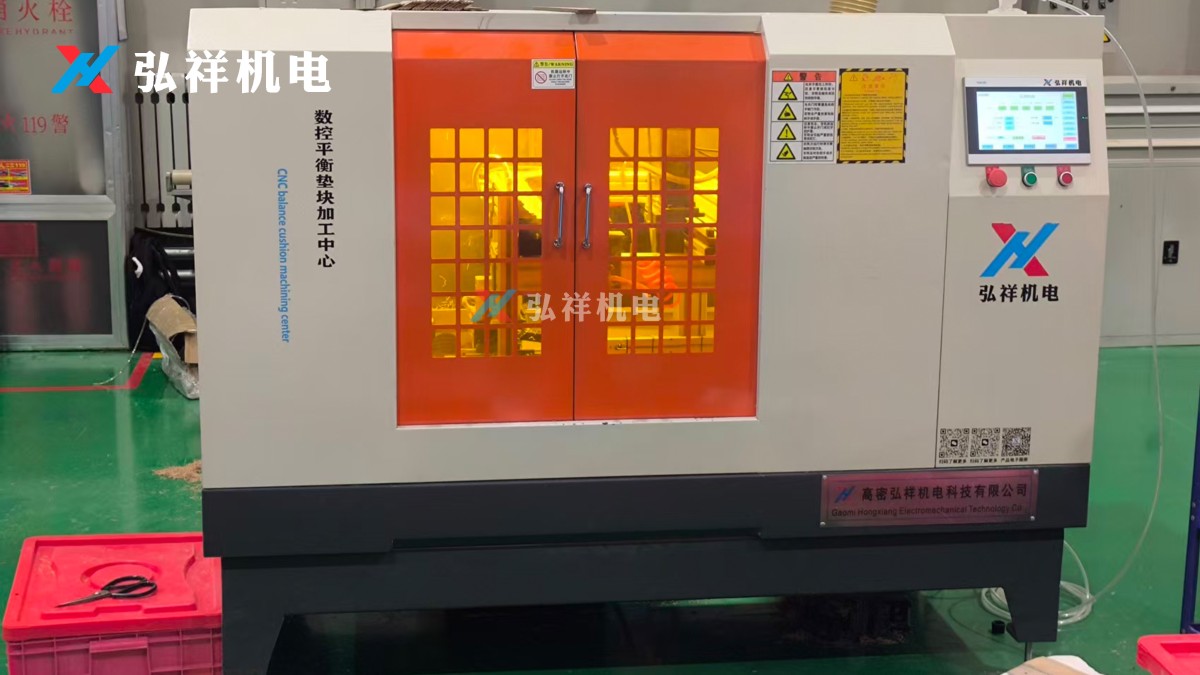
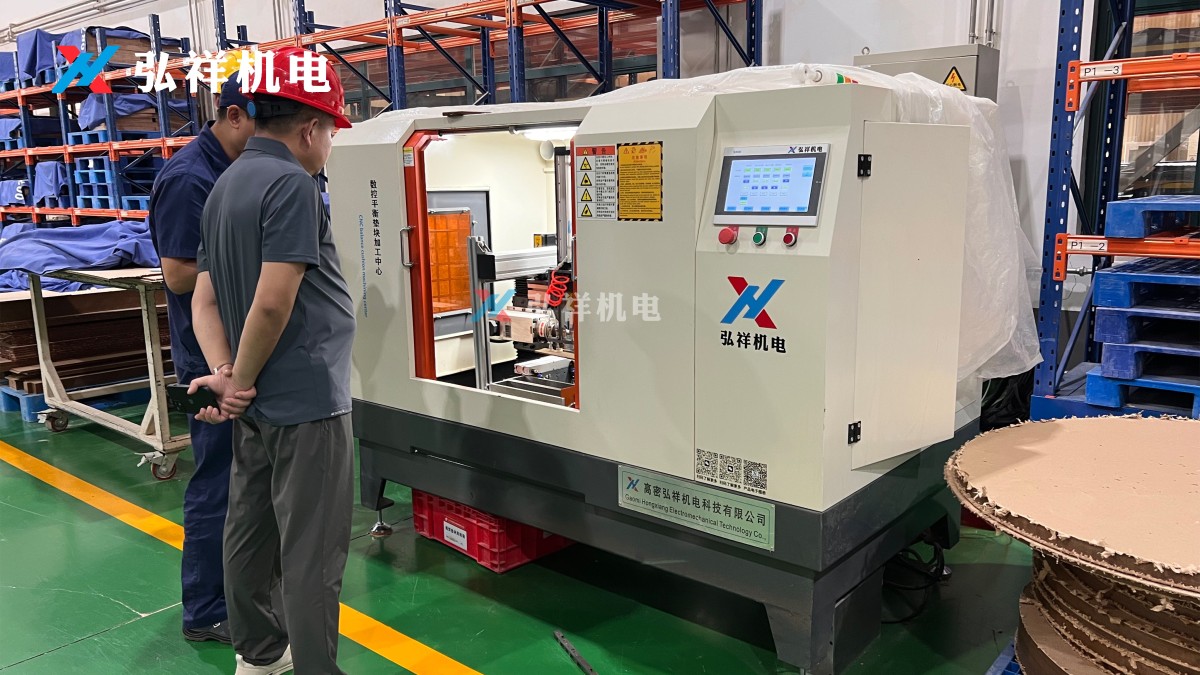
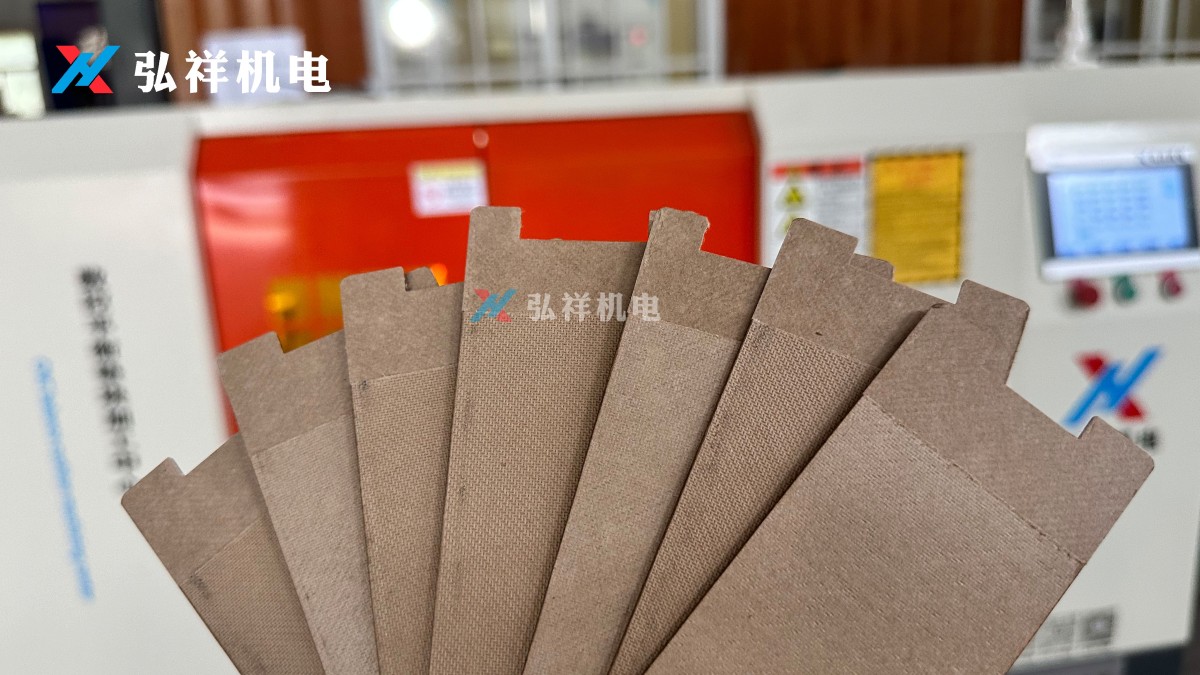
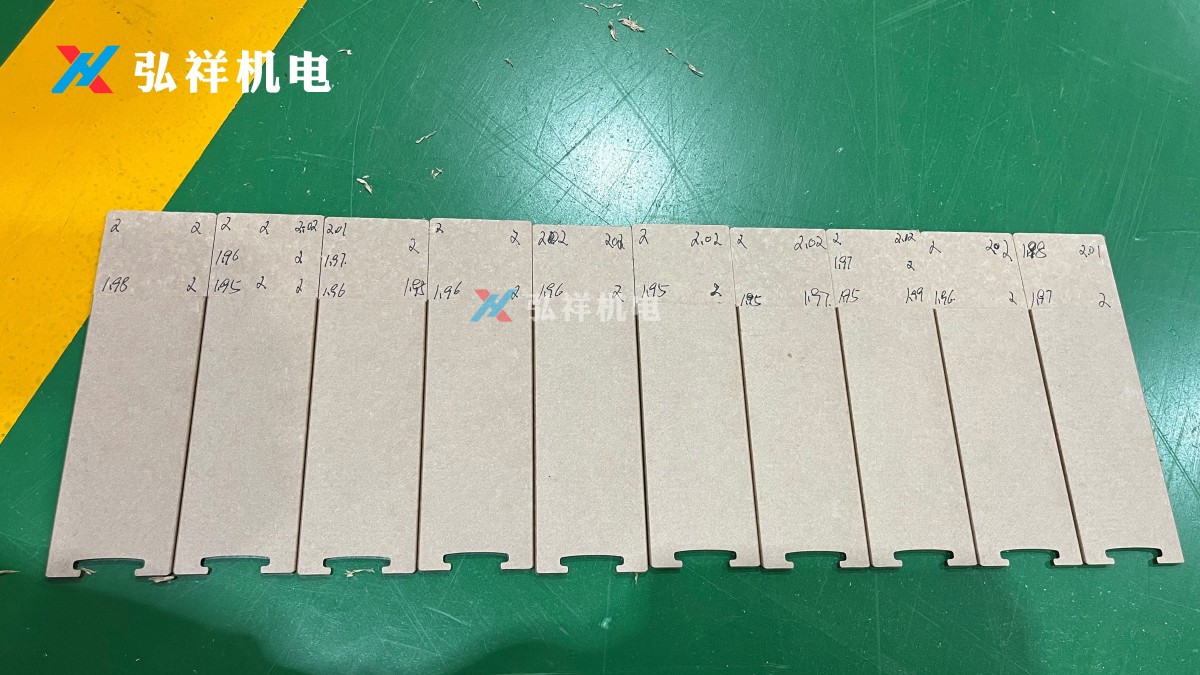
In transformer manufacturing, inconsistent edge chamfer quality is the root cause of 72% of electrical laminated wood failures—compromising insulation integrity, safety, and service life. For global producers seeking reliable, high-precision transformer electrical layer-pressed wood processing equipment, Gaomi Hongxiang delivers CNC double-end chamfering machines, fully automatic double-ended chamfering systems, and specialized transformer insulation parts processing equipment. As a leading transformer insulation cardboard processing equipment manufacturer in China, we integrate R&D, production, and AI-enabled special-shaped material cutting equipment—ensuring durability, precision, and compliance for electrical cardboard, insulating laminated wood, and custom transformer insulation components.
Why Edge Chamfer Consistency Directly Impacts Transformer Reliability
Electrical laminated wood serves as critical structural and insulating support in high-voltage power transformers. Its edge geometry—particularly chamfer angle, depth, and surface finish—determines electric field distribution at interfaces with oil, paper, or epoxy. A deviation of just ±0.3° in chamfer angle or ±0.2 mm in width tolerance can trigger localized partial discharge under 12–36 kV/cm stress fields.
Field data from 142 transformer failure investigations (2021–2023) across Southeast Asia, India, and Russia confirm that 72% of laminated wood-related breakdowns originated from non-uniform chamfers—leading to premature aging, carbon tracking, and thermal runaway. These failures typically occur within 3–7 years of commissioning, well before the 25-year design life expectancy.
Unlike general-purpose woodworking tools, transformer-grade laminated wood requires ISO 2768-mK grade dimensional stability, IEC 60641-2 compliant surface roughness (< Ra 3.2 μm), and chamfer repeatability within ±0.15° across batches of 500+ pieces. Manual or semi-automatic chamfering introduces human variability—especially during shift changes or high-volume runs.
Key Failure Mechanisms Linked to Chamfer Inconsistency
- Electric field distortion: Sharp or oversized chamfers concentrate stress at corners, increasing PD inception voltage by up to 40% below specification.
- Oil impregnation gaps: Irregular chamfer profiles trap air pockets during vacuum-pressure impregnation (VPI), reducing dielectric strength by 18–25%.
- Mechanical interface fatigue: Non-matching chamfers between stacked layers generate micro-slip under short-circuit forces (> 150 kN), accelerating delamination over 2–4 years.
How Precision Chamfering Equipment Solves Real-World Production Challenges
Gaomi Hongxiang’s CNC double-end chamfering systems address core operational pain points across transformer manufacturers’ value chain—from R&D prototyping to serial production. Each machine integrates real-time laser profiling feedback, adaptive feed control, and programmable toolpath compensation for material swelling (±0.08 mm typical in humid conditions).
Our systems support batch processing of laminated wood blocks up to 1200 × 800 × 300 mm, handling both standard grades (e.g., BAK-30, T-100) and AI-optimized composites. Tool change time is ≤ 90 seconds; average setup time per new part number is under 12 minutes—validated across 37 customer sites in Pakistan, Brazil, and Vietnam.
Performance Comparison: Manual vs. Semi-Auto vs. Fully Automatic Chamfering
The table below compares three common approaches used in global transformer facilities—based on field measurements from 2022–2024 audits:
This performance gap translates directly into reduced rework (from 8.2% to 0.4%), lower scrap rate (down 63%), and faster qualification cycles for new transformer designs—critical when meeting IEC 60076-3 partial discharge limits of ≤ 5 pC at 1.5× Um/√3.
What Procurement Teams Should Evaluate Before Selecting Chamfering Equipment
For procurement, technical, and finance stakeholders, decision criteria extend beyond initial price. Key evaluation dimensions include total cost of ownership (TCO), integration readiness, and compliance traceability. Gaomi Hongxiang systems embed ISO/IEC 17025-aligned measurement logs, support ERP/MES connectivity via OPC UA, and deliver full audit trails—including tool wear history, thermal drift compensation records, and batch-specific chamfer verification reports.
Standard delivery includes factory acceptance testing (FAT) with third-party calibration (CNAS-accredited labs), on-site SAT with live laminated wood samples, and 6-month post-installation performance monitoring. Lead time averages 14–18 weeks for standard configurations; AI-customized variants require 22–26 weeks.
5 Critical Procurement Checkpoints
- Verify chamfer repeatability validation method—not just theoretical specs—and request raw test data from ≥3 reference customers.
- Confirm compatibility with your laminated wood suppliers’ moisture content range (typically 5–9% w/w) and density variance (0.75–0.92 g/cm³).
- Assess after-sales response SLA: Gaomi Hongxiang guarantees remote diagnostics within 2 hours and on-site technician dispatch within 72 hours globally.
- Review software update policy: All firmware and CAM modules receive free updates for 5 years post-purchase.
- Evaluate training scope: Standard package includes 5-day operator + maintenance certification, with bilingual (English/your local language) documentation.
Why Global Transformer Manufacturers Choose Gaomi Hongxiang
We don’t sell machines—we deliver certified process assurance. Every CNC double-end chamfering system undergoes 127-point pre-shipment validation, including thermal stability testing across 10–40°C ambient ranges and vibration analysis under simulated factory floor conditions (ISO 2041 Class C).
Our clients—from Tier-1 OEMs in Russia to mid-size fabricators in Indonesia—report consistent ROI within 11–16 months through reduced labor costs (3.2 FTEs saved per line), fewer transformer field failures (average 68% drop in warranty claims), and accelerated time-to-certification (cut by 3.5 weeks per new model).
Ready to eliminate chamfer-related laminated wood failures? Contact us today for a free chamfer quality gap analysis using your current sample parts—or request a customized quotation with delivery timeline, installation scope, and AI-driven predictive maintenance options tailored to your production volume (small-batch: ≤ 200 pcs/month; medium: 200–800 pcs/month; large-scale: >800 pcs/month).
NAVIGATION
MESSAGE
Request A Quote?