0000-00
In electrical insulation manufacturing, cut accuracy directly affects fit, dielectric stability, and service life. A small dimensional deviation can create assembly stress, local discharge risk, or wasted material.
That is why Insulating parts processing equipment for electrical insulation plays a critical role in transformer component production. Accurate cutting supports compliance, repeatability, cleaner edges, and more efficient downstream assembly.
For machine tool applications, accuracy is not only a machining target. It is also a quality assurance strategy that improves reliability, lowers scrap, and protects long-term transformer performance.
When precision becomes critical in electrical insulation part production
Different production scenes create different tolerance risks. The required cut quality for insulating cardboard differs from laminated wood, EVA molded parts, and complex transformer insulation assemblies.
In all these scenes, Insulating parts processing equipment for electrical insulation must deliver stable dimensions, smooth cut faces, and repeatable geometry across batch production.
Gaomi Hongxiang Electromechanical Technology Co., Ltd. supports these needs through assembly and manufacturing services for power transformers, insulation material processing, and special machine development.
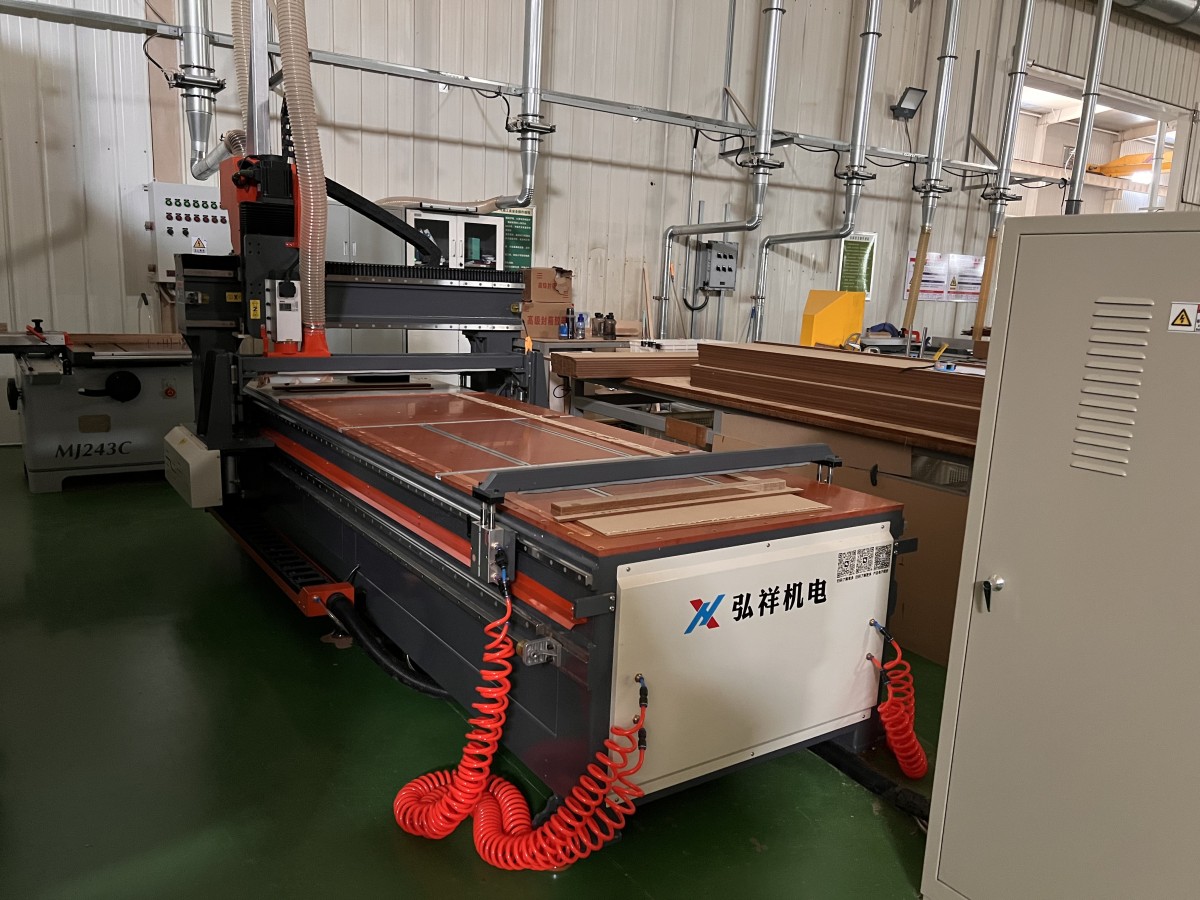
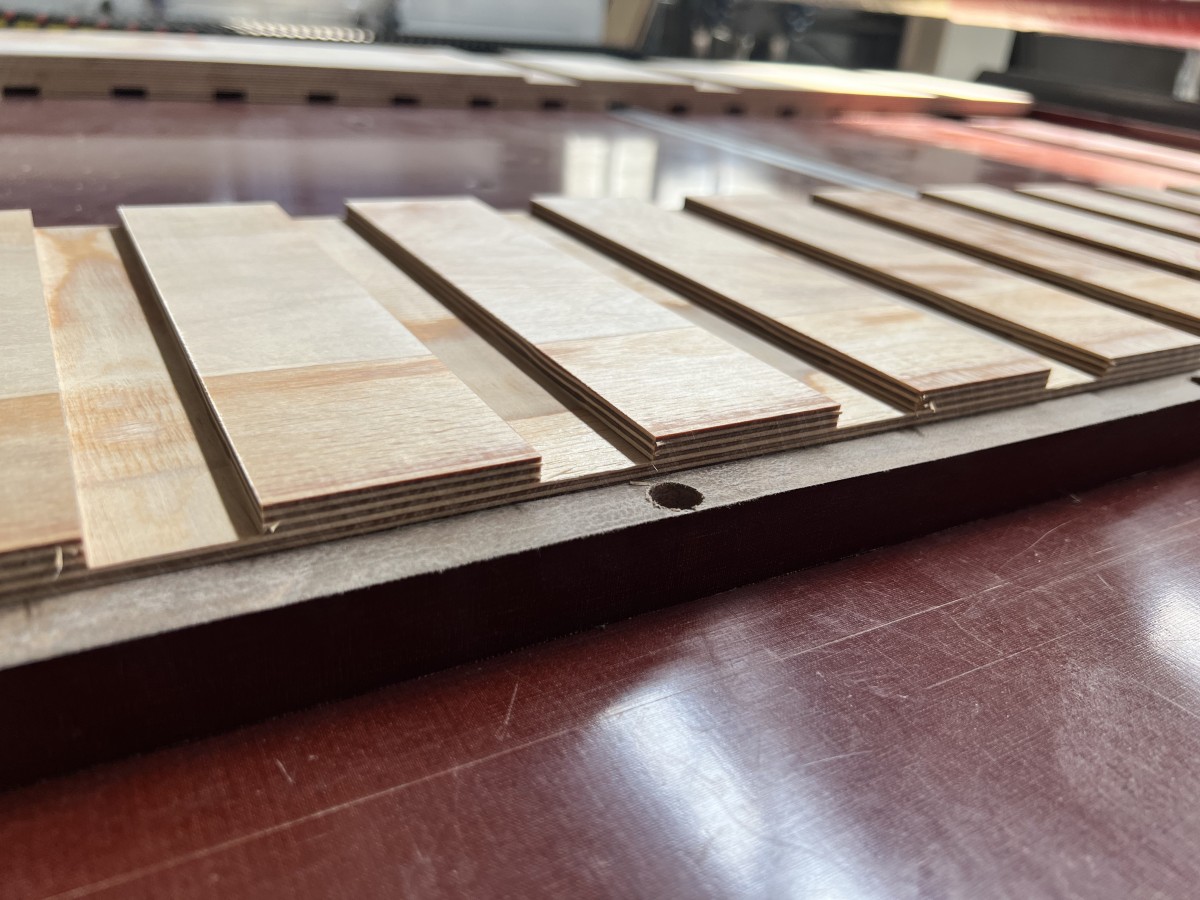
Scene signals that accuracy is already affecting performance
- Frequent hand trimming during assembly
- Uneven gaps between insulation layers
- Higher scrap rates in insulating cardboard sheets
- Chipping or burr-like edge damage after cutting
- Inconsistent fit in repeated transformer part sets
When these issues appear, the problem is often not only material quality. It can also come from poor machine rigidity, tool selection, feeding stability, or process control.
Typical application scenes where cut accuracy changes the result
Cutting insulating cardboard for transformer internal structures
Insulating cardboard is widely used in spacers, barriers, rings, and support elements. These parts must maintain exact dimensions to preserve electrical spacing and structural balance.
If cutting deviates, stack height changes and assembly pressure becomes uneven. Insulating parts processing equipment for electrical insulation helps maintain consistent profiles and edge integrity.
Machining insulating laminated wood for load-bearing components
Laminated wood often serves in structural insulation positions. These components must match exact mounting dimensions while keeping sufficient mechanical strength after processing.
A weak cut strategy can cause edge tearing, hidden cracking, or poor surface straightness. Proper machine tool control reduces these risks and improves assembly reliability.
Processing custom insulating parts with complex outlines
Custom transformer parts often require slots, curves, holes, and special contours. In these scenes, dimensional accuracy must be matched with path accuracy and corner stability.
Insulating parts processing equipment for electrical insulation should support precise motion control, stable tooling, and repeatable positioning for low-error batch output.
EVA molding and cushioning insulation support applications
EVA molded parts can support sealing, cushioning, and protective insulation functions. Poor cut accuracy may reduce compression consistency and affect part installation.
For shaped EVA applications, consistent cutting protects fit and visual quality. It also reduces manual correction and improves line efficiency.
How demand changes across different insulation processing scenes
Not every insulation part requires the same machining strategy. Material behavior, thickness, geometry, and batch volume change the equipment selection logic.
This is why one machine configuration does not fit every process. Effective Insulating parts processing equipment for electrical insulation must align with real production scenes, not generic specifications.
What to check when matching equipment to production requirements
Cut accuracy depends on more than nominal tolerance. It results from machine structure, control system, tooling method, operator workflow, and material adaptation.
Key machine-side factors
- Frame rigidity for vibration control
- Feeding precision across repeated cycles
- Tool compatibility with cardboard, wood, and EVA
- Positioning accuracy for holes and contours
- Control stability during batch production
Key process-side factors
- Material thickness variation
- Moisture sensitivity of insulation materials
- Cutting speed and thermal effect
- Fixture design and part support
- Inspection frequency and sampling rules
In many workshops, improving these basics delivers stronger results than simply increasing machine speed. Stable output usually creates greater value than peak output.
Common misjudgments that reduce insulation cutting quality
Several errors appear repeatedly in insulation part machining. They can seem minor at first, yet they create serious quality loss over time.
- Judging accuracy only by first-piece inspection
- Ignoring edge damage because dimensions look correct
- Using one tool strategy for all insulation materials
- Overlooking thermal expansion or moisture effects
- Accepting manual rework as a normal production step
These misjudgments increase hidden cost. Scrap, rework, fitting delays, and inconsistent transformer assembly often cost more than early process optimization.
For this reason, Insulating parts processing equipment for electrical insulation should be evaluated by long-cycle repeatability, not isolated sample performance.
A practical path to better accuracy, lower waste, and stable delivery
A practical improvement plan starts with material review, tolerance mapping, and sample validation. Then it connects machine setup with actual insulation part structure and output targets.
- Define critical dimensions by application position.
- Separate process strategies by material category.
- Test edge quality, not only dimensional values.
- Check repeatability across full production batches.
- Use maintenance and training to protect accuracy.
Gaomi Hongxiang Electromechanical Technology Co., Ltd. combines R&D, design, production, installation, training, and after-sales service. This integrated capability supports more reliable insulation processing solutions.
Its experience in transformer assembly manufacturing, insulating cardboard, insulating laminated wood, insulating parts, EVA molding, and special machine development supports broad application matching.
When cut precision improves, product quality becomes more stable, assembly becomes easier, and material utilization increases. That is the practical value of choosing suitable Insulating parts processing equipment for electrical insulation.
If current production shows fit inconsistency, edge defects, or rising scrap, the next step is clear. Review actual processing scenes, compare tolerance demands, and match equipment capability to the real insulation task.
NAVIGATION
MESSAGE
Request A Quote?