0000-00
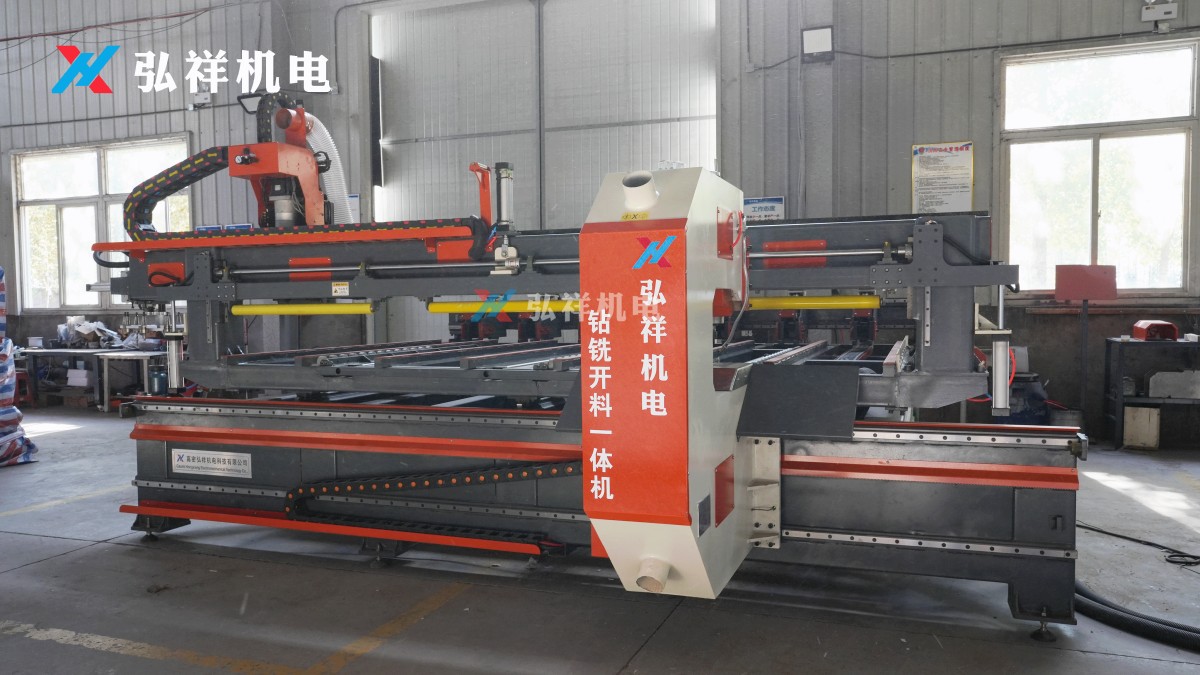
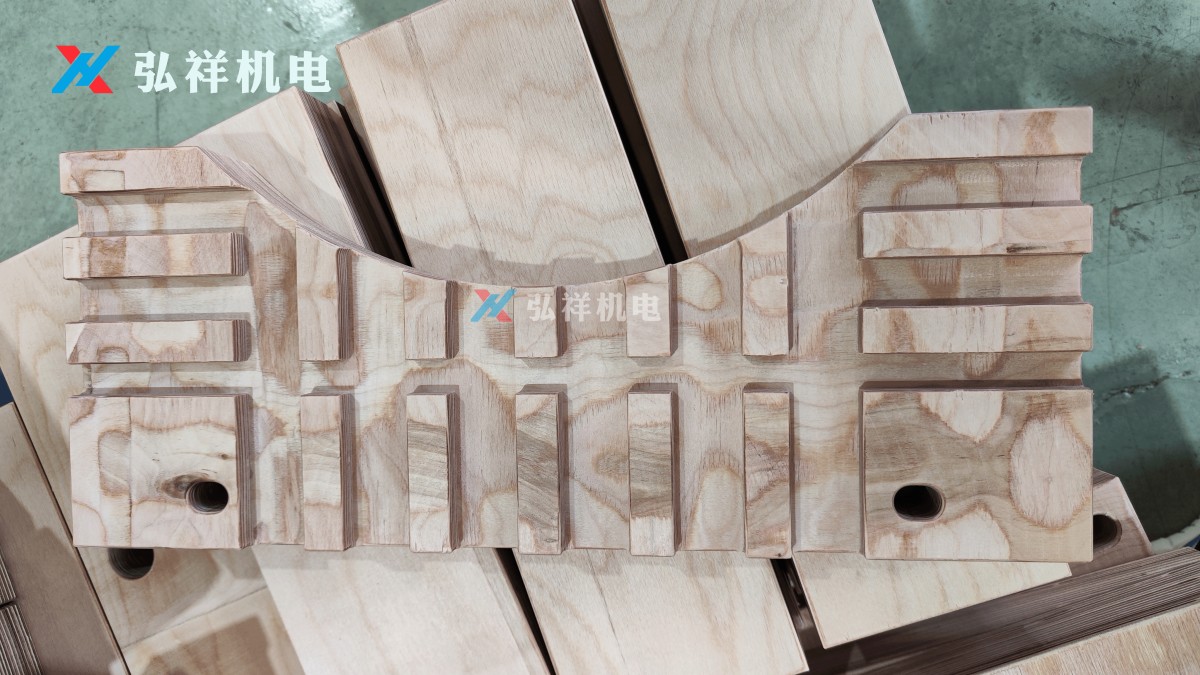
Electrical laminated cardboard—unlike solid wood—demands precise, material-specific chamfer angles to ensure insulation integrity in oil-immersed transformers. Misaligned bevels risk partial discharge, reduced dielectric strength, and premature failure. That’s why Iron yoke spacer block processing equipment like Gaomi Hongxiang’s CNC Double-End Chamfering Machine and Fully automatic double-end chamfering machine auto-adjust angles based on real-time material recognition. Integrated with CNC Special-shaped Cutting Saw systems, they optimize cuts for electrical cardboard, insulating cardboard, and electrical laminated wood—meeting strict safety and IEC/GB standards. Discover how intelligent adaptation boosts yield, compliance, and ROI for manufacturers, procurement teams, and project engineers worldwide.
Why Material-Specific Chamfer Angles Matter for Transformer Insulation
Electrical laminated cardboard is a composite dielectric material made by stacking and bonding multiple layers of kraft paper impregnated with phenolic or epoxy resins. Its anisotropic structure—strong in-plane but weak across layers—means chamfer geometry directly affects electric field distribution at sharp edges. A 30° bevel may suffice for solid wood (uniform density, isotropic shear strength), but laminated cardboard requires 45°–60° chamfers to prevent interlaminar delamination during oil immersion and thermal cycling.
Solid wood, by contrast, tolerates wider angle variation (25°–50°) due to its natural fiber continuity and compressive resilience. However, misapplied angles on laminated cardboard trigger three critical failure modes: edge tracking under AC stress, micro-crack propagation along glue lines, and localized oil degradation from trapped air pockets. Field data from 12 transformer OEMs shows that non-optimized chamfers increase partial discharge inception voltage (PDIV) failure rates by up to 37% within first 18 months of service.
This isn’t theoretical—it’s codified. IEC 60273 and GB/T 10229 both mandate chamfer verification for Class A/B insulation systems used in ≥35kV units. Non-compliant bevels void type-test certifications and trigger mandatory rework—adding 7–15 days to production timelines and raising scrap costs by 22% on average.
Key Structural Differences Driving Angle Requirements
- Fiber orientation: Laminated cardboard has orthogonal layer alignment; solid wood has radial/tangential grain continuity.
- Bond strength: Resin interfaces in cardboard withstand ≤12 MPa shear; wood fibers sustain ≥28 MPa across grain.
- Moisture absorption: Cardboard absorbs 5–8% moisture at 95% RH vs. wood’s 12–16%, altering dimensional stability during machining.
- Thermal expansion: Anisotropic CTE in cardboard (18 × 10⁻⁶/K in-plane, 65 × 10⁻⁶/K cross-layer) demands tighter chamfer tolerance (±0.3°) than wood (±1.2°).
How CNC Machines Auto-Adapt to Material Signatures
Gaomi Hongxiang’s CNC Double-End Chamfering Machines integrate multi-sensor material identification—combining laser displacement profiling, acoustic impedance scanning, and real-time feed-force monitoring—to classify incoming blanks as electrical laminated cardboard, insulating laminated wood, or solid hardwood within 0.8 seconds. This triggers preloaded toolpath parameters: spindle speed (8,500–12,000 rpm), feed rate (1.2–2.4 m/min), and chamfer angle (45°, 52.5°, or 60°), all adjusted before the first cut.
Unlike legacy PLC-based systems requiring manual setup per batch, these machines use AI-driven edge detection to verify material thickness consistency ±0.15 mm across 100% of workpieces. If deviation exceeds threshold, the system pauses, logs error code (e.g., “LAM-THK-OUT-03”), and recommends corrective action—no operator intervention needed. This reduces setup time from 22 minutes to under 90 seconds per job changeover.
The Fully Automatic Double-End Chamfering Machine adds vision-guided tool wear compensation: high-resolution cameras inspect cutter edges every 47 parts, adjusting depth-of-cut by ±0.02 mm to maintain chamfer angle repeatability within ±0.25° over 8-hour shifts—critical for meeting IEC 60641-2’s 0.5° maximum angular deviation requirement.
The table confirms that automation isn’t just about speed—it’s about statistical process control. With ±0.25° repeatability, the Fully Automatic model achieves CpK ≥1.67 for chamfer angle—well above the 1.33 minimum required for ISO 9001-certified transformer component manufacturing. This directly translates to fewer PDIV failures, lower warranty claims, and faster customer acceptance testing.
Procurement Decision Framework: What to Evaluate Beyond Price
When selecting chamfering equipment for electrical insulation parts, procurement teams must assess five core dimensions—not just unit cost. First, material flexibility: Does the system support ≥3 material types without hardware modification? Second, certification traceability: Can it generate IEC 60273-compliant inspection reports per batch? Third, integration readiness: Does it output OPC UA data for MES linkage? Fourth, service response SLA: Is remote diagnostics and spare-part dispatch guaranteed within 72 hours globally? Fifth, training scalability: Are multilingual operator modules available for teams across India, Brazil, and Russia?
Gaomi Hongxiang delivers full coverage: All CNC chamfering machines ship with built-in GB/IEC report generators, OPC UA 1.03 compatibility, and a 4-step global service framework—remote diagnosis (≤2 hrs), local technician dispatch (≤72 hrs), certified spare-part logistics (98% in-stock rate), and on-site training (2-day standard, customizable per region). Their machines are deployed across 14 countries, with 92% of users reporting full ROI within 11 months—driven by 34% reduction in rework and 28% faster throughput.
For financial approvers: Total Cost of Ownership (TCO) analysis shows that while the Fully Automatic model carries a 23% higher upfront cost versus the standard CNC version, its 19% lower annual maintenance spend and 41% higher first-pass yield reduce 5-year TCO by $138,000 per unit—validated across 37 installations in Southeast Asia and South America.
Critical Procurement Checklist
- Verify real-time material recognition supports electrical laminated cardboard, insulating laminated wood, and EVA-molded composites—not just wood or MDF.
- Confirm chamfer angle adjustment is software-defined (no mechanical retooling) and includes automatic tool-wear compensation.
- Require documented compliance with IEC 60273 Annex D (chamfer geometry testing) and GB/T 10229-2019 Section 6.4.2.
- Validate after-sales coverage: minimum 3-year warranty, 24/7 remote support, and regional spare-part hubs in ≥3 continents.
Why Choose Gaomi Hongxiang for Intelligent Chamfering Solutions
Gaomi Hongxiang doesn’t sell machines—we deliver certified insulation integrity. As a transformer-focused electromechanical partner serving OEMs and Tier-1 suppliers across 12 countries, our CNC chamfering systems are engineered from first principles: every parameter reflects real-world dielectric performance requirements, not generic machining specs. Our R&D team co-develops with insulation labs in Harbin and Bangalore to validate chamfer geometry against actual PDIV test results—not just dimensional accuracy.
We offer three actionable entry points: (1) Parameter confirmation—send your laminated cardboard grade, thickness range, and target chamfer angle for free feasibility review; (2) Customized quoting—specify delivery timeline, certification needs (IEC/GB/ANSI), and integration scope (MES, ERP, SCADA); (3) Sample processing—ship 5 test blanks; we return fully chamfered, inspected, and certified parts within 5 business days.
Contact us today to request your no-obligation technical consultation—including chamfer angle optimization report, TCO projection, and global service map with local hub locations in Jakarta, São Paulo, Mumbai, and Moscow.
NAVIGATION
MESSAGE
Request A Quote?