0000-00
Choosing the lowest-priced machine tool can feel like smart cost control. In transformer insulation parts production, that logic often fails after installation. Hidden downtime, unstable tolerances, scrap, and slow service can erase the initial savings quickly. When evaluating Cost-effective transformer insulation parts processing equipment, the better question is how the machine performs over years of cutting, milling, punching, slotting, and forming insulating cardboard, laminated wood, and related parts.
A lower quotation may reduce capital expense on paper, yet increase operating expense in practice. For machine tools used in electrical insulation processing, the true benchmark is total cost of ownership. That includes output stability, maintenance frequency, spare parts availability, operator training, energy use, and product consistency. In this industry, one weak machine can affect transformer assembly schedules and customer delivery reliability.
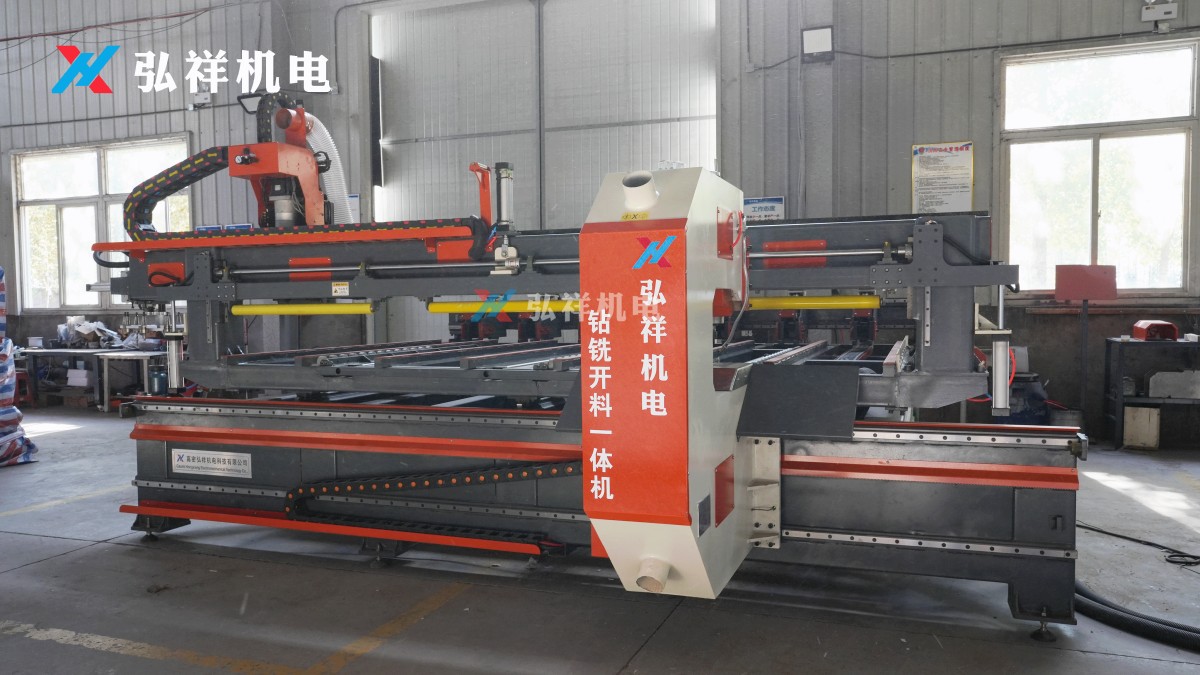
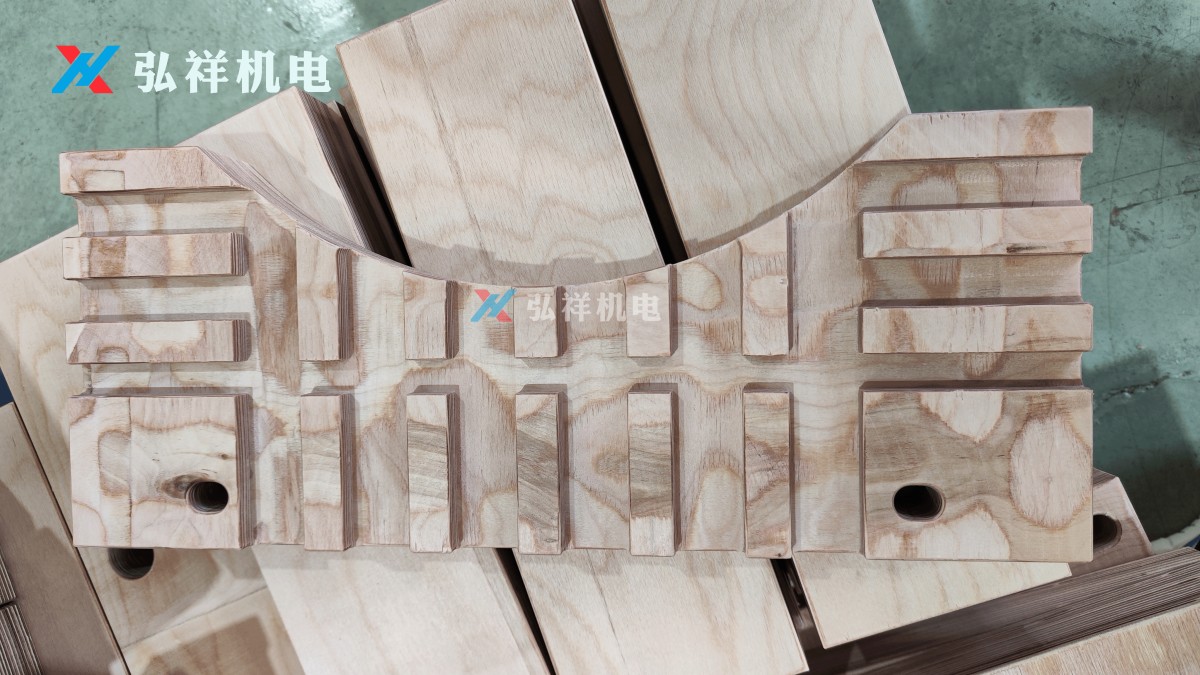
Why a checklist matters before buying machine tools
Machine tool decisions become expensive when they rely only on price comparison. A checklist turns a purchase into a technical and financial review. It helps compare not just machine frames and motors, but also process suitability, control accuracy, after-sales support, and future expansion value.
For Cost-effective transformer insulation parts processing equipment, a checklist is especially useful because insulation materials behave differently from metal. Cardboard, laminated wood, and EVA each demand stable feeding, clean edge quality, controlled pressure, and repeatable dimensions. A machine that looks cheaper may require more manual correction, rework, and stoppage.
Core checklist for evaluating long-term equipment cost
- Verify material compatibility across insulating cardboard, laminated wood, EVA, and custom insulation parts, not only sample cutting on one material under ideal factory conditions.
- Check dimensional accuracy under continuous production, including repeat positioning, edge finish, slot depth consistency, and tolerance stability after long operating hours.
- Measure cycle time with real part programs, tool changes, loading steps, and cleaning time, instead of relying on single-stroke or empty-run speed data.
- Review machine structure, spindle rigidity, feed system quality, and vibration control, because weak frames often cause burrs, surface defects, and unstable processing.
- Confirm tooling cost, tool life, sharpening intervals, and replacement availability, since consumables can outweigh the difference between two machine prices.
- Inspect control system usability, parameter storage, and recipe management, especially when multiple insulation part sizes require frequent changeover.
- Ask for actual downtime records, maintenance schedules, and fault response times, rather than accepting broad claims about reliability and service commitment.
- Evaluate training depth for setup, operation, troubleshooting, and preventive maintenance, because undertrained operators often turn a capable machine into a costly asset.
- Compare power consumption, dust extraction integration, and workshop cleanliness requirements, as insulation processing quality often depends on environmental control.
- Plan for scalability by checking whether the supplier can support special machines, automation upgrades, and future AI-related manufacturing requirements.
Where cheaper equipment usually becomes more expensive
Inconsistent part quality
Transformer insulation parts must fit assembly dimensions reliably. If punching, milling, or cutting quality drifts, the immediate result is scrap or manual trimming. The hidden cost is larger: delayed assembly, repeated inspection, and lower confidence in each batch. This is where Cost-effective transformer insulation parts processing equipment should be judged by process capability, not by headline price.
Frequent downtime
A low-cost machine may use lighter components, less stable guides, or lower-grade electrical parts. Those weaknesses rarely appear on day one. They appear after repeated shifts, heavier workloads, or demanding materials. Every interruption reduces output and forces rescheduling. Over a year, downtime can cost far more than the original discount.
Higher labor dependence
When machines lack stable presets, reliable positioning, or easy program recall, operators spend more time adjusting, measuring, and correcting. That raises labor cost per part and increases variation between shifts. A better machine often reduces intervention and standardizes quality across different product runs.
Weak after-sales support
Service is part of equipment cost. Delayed spare parts, unclear maintenance instructions, or limited remote support can turn minor faults into long production stops. A supplier with integrated R&D, production, installation, training, and after-sales service generally reduces risk, especially for specialized insulation processing machines.
Application notes for different production scenarios
High-mix, low-volume insulation parts
When product types change frequently, setup speed matters as much as cutting quality. Machines with intuitive controls, stored programs, and fast fixture adjustments create real savings. The cheaper alternative may process one sample well, yet lose time on every changeover.
In this scenario, Cost-effective transformer insulation parts processing equipment should support quick parameter switching and stable first-pass output. That lowers setup scrap and keeps delivery schedules predictable.
Continuous batch production
For repeated part families, endurance becomes the key measure. Bearings, transmission systems, dust resistance, and cooling design influence whether a machine maintains tolerance after long runs. The lower-priced option may show acceptable early performance but degrade faster under continuous loading.
Batch production also exposes maintenance design. Easy access for cleaning, lubrication, and component replacement shortens service windows and protects long-term output.
Special machine development
Some insulation parts require custom stations, unusual dimensions, or integrated forming and trimming steps. In those cases, the cheapest standard machine can become expensive after modifications, workarounds, and process compromises. Supplier engineering ability matters more than base price.
A company that can provide assembly and manufacturing services, insulation material processing, and special machine support offers stronger long-term value. That matters when future requirements include automation or AI-related manufacturing equipment.
Commonly overlooked risks
Ignoring sample realism. Trial parts made from easy material or simple geometry do not prove production capability. Always test actual insulation part structures, thickness ranges, and tolerance demands.
Underestimating scrap cost. In insulation processing, edge defects, delamination, and inaccurate slotting quickly consume material value. Scrap rates should be part of every equipment comparison.
Skipping service evaluation. A cheap machine without fast support may stop an entire line. Ask how faults are diagnosed, how quickly technicians respond, and which spare parts are stocked.
Focusing only on machine price. Freight, installation, training, tooling, maintenance, and lost output must be included. Purchase price is only one line in the full cost model.
Missing future flexibility. If upcoming products require different sizes, materials, or more automation, today’s cheapest machine may need early replacement. That makes it the most expensive option in hindsight.
Practical steps for a better investment decision
- Build a comparison sheet covering price, output, scrap, downtime, tool life, maintenance cost, and service response.
- Request production tests using real drawings, real insulation materials, and real tolerances.
- Calculate cost per qualified part over three to five years, not only acquisition cost.
- Inspect supplier capabilities in R&D, customization, installation, training, and export support.
- Confirm whether the equipment can support future process upgrades and special machine integration.
Conclusion and next action
Cheaper equipment often costs more because the real expense appears later through unstable quality, downtime, labor waste, scrap, and weak support. In machine tool selection, value comes from predictable output and durable performance. That is the standard for choosing Cost-effective transformer insulation parts processing equipment.
The next step is simple: compare machines using a total cost checklist, validate them with real insulation part samples, and choose a supplier able to support the full lifecycle. A smarter capital decision is not the lowest initial number. It is the equipment solution that protects production, quality, and long-term return.
NAVIGATION
MESSAGE
Request A Quote?