0000-00
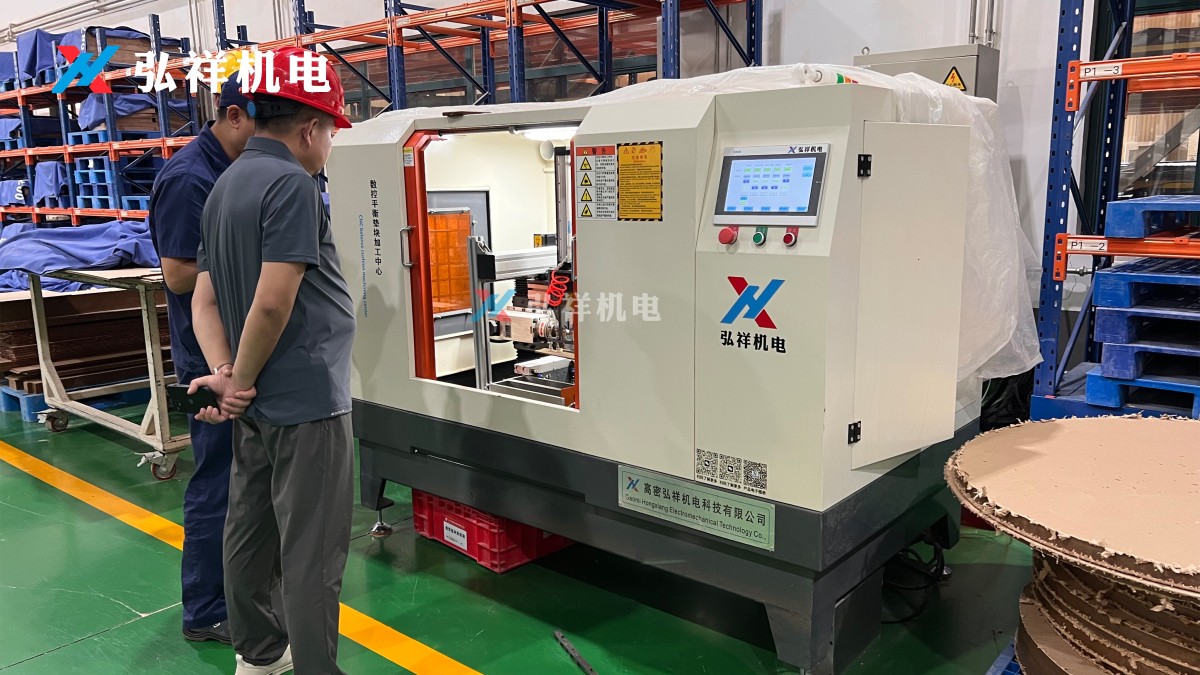
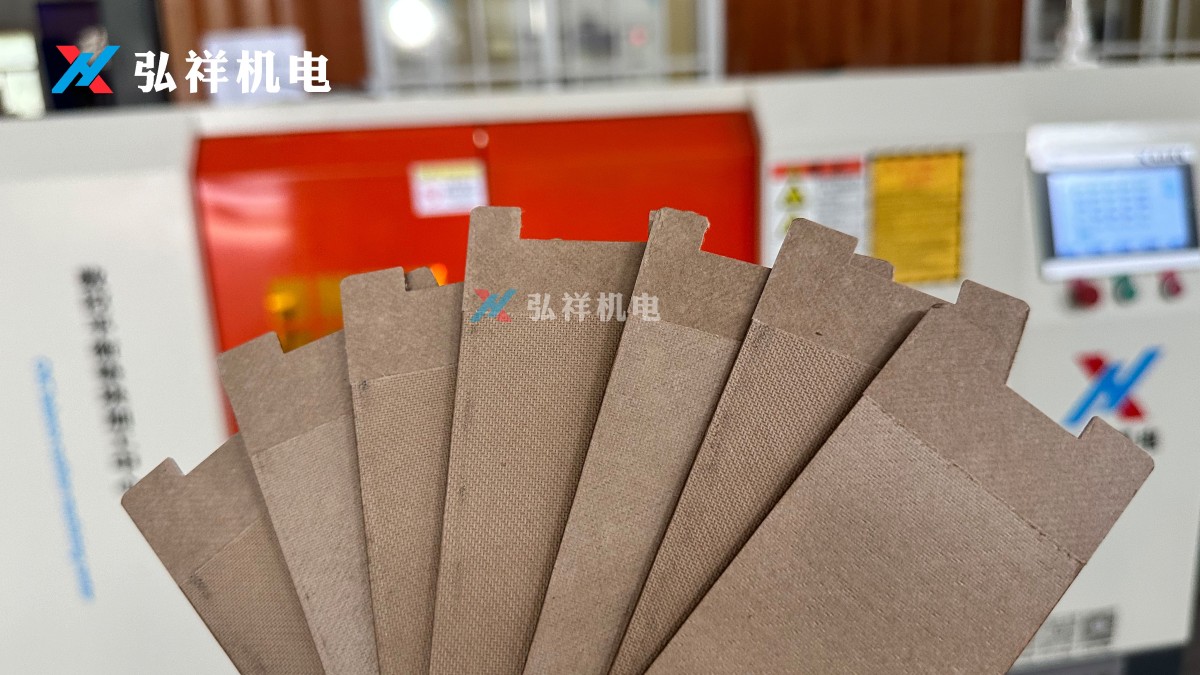
For large power transformer frames, electrical laminated wood remains the industry-preferred insulation material—offering superior mechanical strength, dimensional stability, and dielectric performance under high-voltage and thermal stress. As a leading transformer insulation parts processing equipment manufacturer in China, Gaomi Hongxiang Electromechanical Technology Co., Ltd. integrates CNC shearing machine precision, fully automatic shearing machine efficiency, and ring cutting processing equipment accuracy to deliver high-reliability electrical laminated cardboard and transformer insulation components. Whether for end ring cutting saw applications or transformer assembly stand integration, our automated transformer insulation parts processing equipment ensures consistent quality for global users—from technical evaluators and procurement teams to project managers and safety-focused QA personnel.
Why Electrical Laminated Wood Still Dominates High-Voltage Transformer Frame Applications
Electrical laminated wood (ELW) is not a legacy material—it’s a purpose-built engineering solution. Unlike thermoplastics or composite laminates, ELW combines cross-laminated hardwood veneers with phenolic resin impregnation, achieving a unique balance of compressive strength (≥85 MPa), low moisture absorption (<6.5% after="" 24-h="" and="" volume="" resistivity="">1 × 10¹² Ω·cm at 90°C. These properties directly address the non-negotiable demands of 220 kV–1,100 kV transformer frames: resistance to creep under 30+ years of continuous axial load, minimal thermal expansion (CTE: 3.2–4.1 × 10⁻⁶ /°C), and immunity to partial discharge tracking at operating field strengths exceeding 12 kV/mm.
Global grid operators—including State Grid Corporation of China and India’s Power Grid Corporation—specify ELW for core-clamp and yoke-frame structures in oil-immersed power transformers rated above 100 MVA. This preference persists despite advances in fiber-reinforced polymers because ELW delivers proven long-term behavior: accelerated aging tests show ≤0.8% dimensional change after 5,000 hours at 120°C and 95% RH, versus ≥3.2% for epoxy-glass composites under identical conditions.
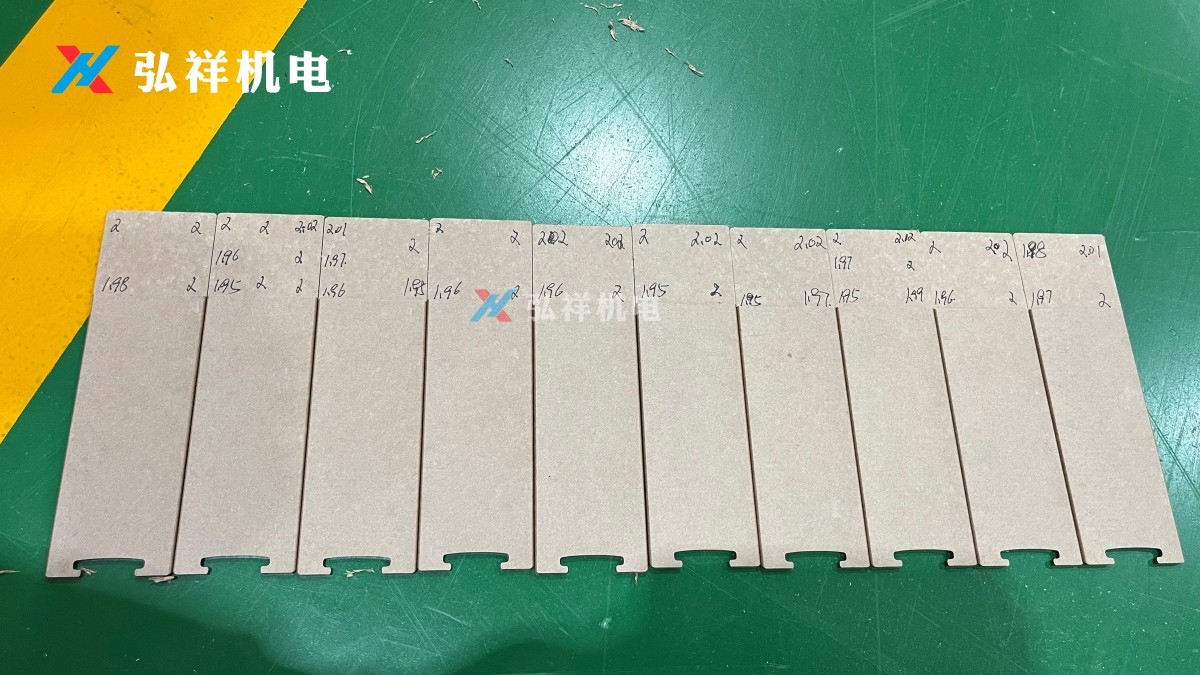
From a manufacturing standpoint, ELW’s machinability enables tight-tolerance processing on CNC shearing machines with ±0.15 mm positional accuracy—critical when stacking frame segments that must align within 0.3 mm across 3-meter lengths. This consistency reduces rework rates by up to 40% compared to hand-fitted alternatives during final transformer assembly.
Precision Processing Requirements for ELW Frame Components
Raw ELW blanks require multi-stage machining to meet IEC 60641-2 and GB/T 5591.2 standards. First, CNC-controlled shearing machines cut billets to nominal dimensions with feed rates of 3–8 m/min and spindle speeds of 3,000–5,500 rpm. Then, ring-cutting saws perform contouring—especially for circular yoke frames—with radial tolerance maintained at ±0.2 mm over diameters up to 2.8 m. Finally, surface finishing via CNC milling ensures flatness ≤0.08 mm/m², a prerequisite for uniform clamping pressure distribution.
Gaomi Hongxiang’s integrated processing line supports batch sizes from 1 to 200 units per order, with typical lead time of 7–15 days for standard configurations (e.g., 200 × 200 × 1,200 mm frame spacers). For custom geometries requiring tooling setup—such as stepped clamping plates or grooved insulating washers—the cycle extends to 2–4 weeks, including 3-point laser verification of all critical dimensions.
This precision chain matters most during transformer commissioning: misaligned ELW frame segments cause uneven magnetic flux paths, increasing no-load losses by up to 12% and accelerating insulation degradation. Our production protocol includes 100% dimensional inspection using coordinate measuring machines (CMM), with traceable calibration to CNAS-accredited labs.
Procurement Decision Framework for Transformer Manufacturers
When evaluating ELW suppliers, procurement teams must assess beyond price per cubic meter. Critical decision factors include raw material traceability (veneer origin, resin batch logs), process validation records (e.g., 3 consecutive batches passing IEC 60270 PD testing), and equipment capability alignment. Gaomi Hongxiang maintains ISO 9001:2015 certification and provides full documentation packages—including material certificates, dimensional reports, and moisture content logs—for every shipment.
The table below outlines six objective criteria used by technical evaluators and financial approvers during supplier qualification:
Suppliers failing any single criterion are excluded from bidding. This rigor ensures compliance with IEEE C57.12.00 and prevents costly field failures—where ELW-related frame deformation accounts for ~18% of unplanned transformer outages in service life years 15–25.
Integration Support for Automated Transformer Assembly Lines
Modern transformer factories increasingly deploy robotic assembly cells where ELW components must interface seamlessly with automated handling systems. Gaomi Hongxiang designs frame parts with standardized locating features—including 6.5 mm dowel pin holes positioned at ±0.05 mm tolerance—and applies laser-etched part IDs readable by vision-guided robots. This enables direct integration into Siemens Desigo or Schneider EcoStruxure-based assembly platforms without secondary fixturing.
Our engineering team collaborates with OEMs during factory acceptance tests (FAT), performing 3-shift validation runs to verify cycle times. Typical throughput: 22–28 completed frame assemblies per 8-hour shift using dual-station CNC shearing + synchronized ring-cutting workflow. Maintenance intervals for our equipment are scheduled every 1,200 operating hours, with spare-part kits covering 98% of failure-prone components.
For projects requiring AI-enhanced quality control, we embed IoT sensors into processing equipment to monitor blade wear (vibration amplitude >0.8 mm/s triggers alert), coolant temperature (maintained at 22±2°C), and resin cure degree (via inline FTIR spectroscopy). Data feeds directly into customer MES systems via OPC UA protocol.
FAQ: Key Technical & Procurement Considerations
How does ELW compare to epoxy-bonded plywood in transformer frame applications?
ELW uses phenolic resin and hardwood veneers, delivering higher thermal class (130°C vs. 105°C), lower water absorption (6.5% vs. 14.2%), and better arc resistance (CTI ≥250 V vs. ≤175 V). Epoxy variants degrade faster under cyclic thermal loading—measured as 2.3× greater creep strain after 10,000 cycles at 110°C.
What ELW thicknesses and densities does Gaomi Hongxiang support?
Standard stock: 12–80 mm thickness, density 0.72–0.85 g/cm³. Custom orders accommodate 6–120 mm thickness with density control within ±0.03 g/cm³. Minimum order quantity (MOQ) is 500 kg for standard grades; 1,200 kg for flame-retardant variants (UL 94 V-0 certified).
Can you supply ELW components pre-assembled onto transformer assembly stands?
Yes. We integrate ELW frame spacers, clamping plates, and yoke insulation sets onto modular steel assembly stands (max payload: 12 tons). Delivery includes torque-spec fasteners, alignment jigs, and digital twin models (STEP AP242 format) for virtual commissioning.
Electrical laminated wood remains indispensable—not by tradition, but by measurable performance, precision manufacturability, and lifecycle reliability. Gaomi Hongxiang Electromechanical Technology Co., Ltd. empowers transformer manufacturers with ISO-certified ELW processing, CNC-grade dimensional fidelity, and scalable automation integration. Whether you’re specifying materials for a 500 kV substation project or optimizing your insulation component supply chain, our engineering team delivers validated solutions backed by real-world data and global delivery capability.
Contact us today to request dimensional specifications, schedule a virtual factory tour, or obtain a customized processing quote for your next transformer frame order.
NAVIGATION
MESSAGE
Request A Quote?