0000-00
For financial decision-makers, choosing Cost-effective laminated wood processing equipment is not just about the lowest upfront price. In laminated wood manufacturing, cheaper machines often lead to higher long-term costs through downtime, inconsistent quality, frequent repairs, and limited technical support. Understanding the full cost of ownership helps businesses protect margins, improve production stability, and make smarter investment decisions that support sustainable growth.
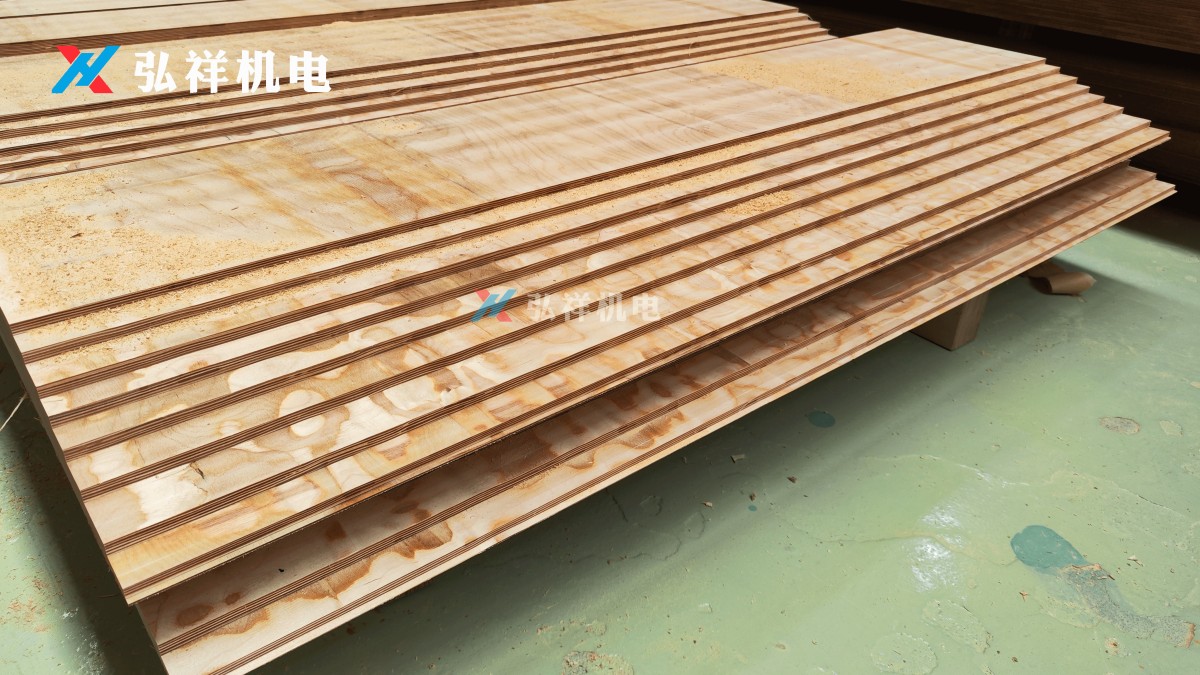
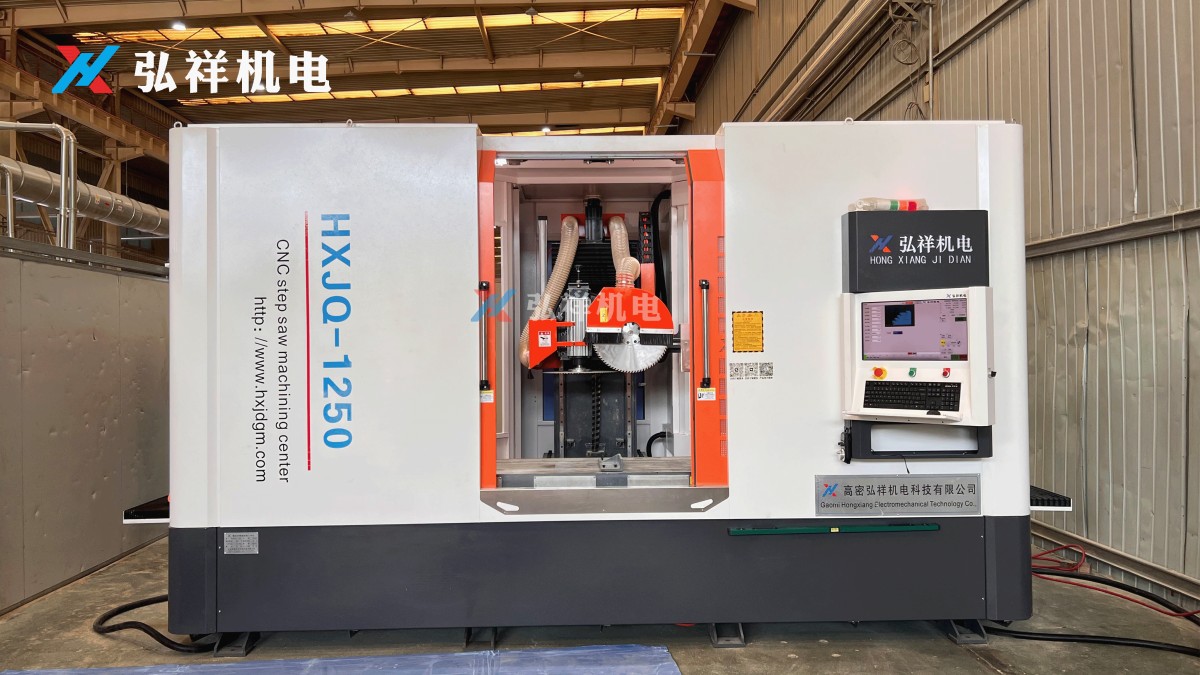
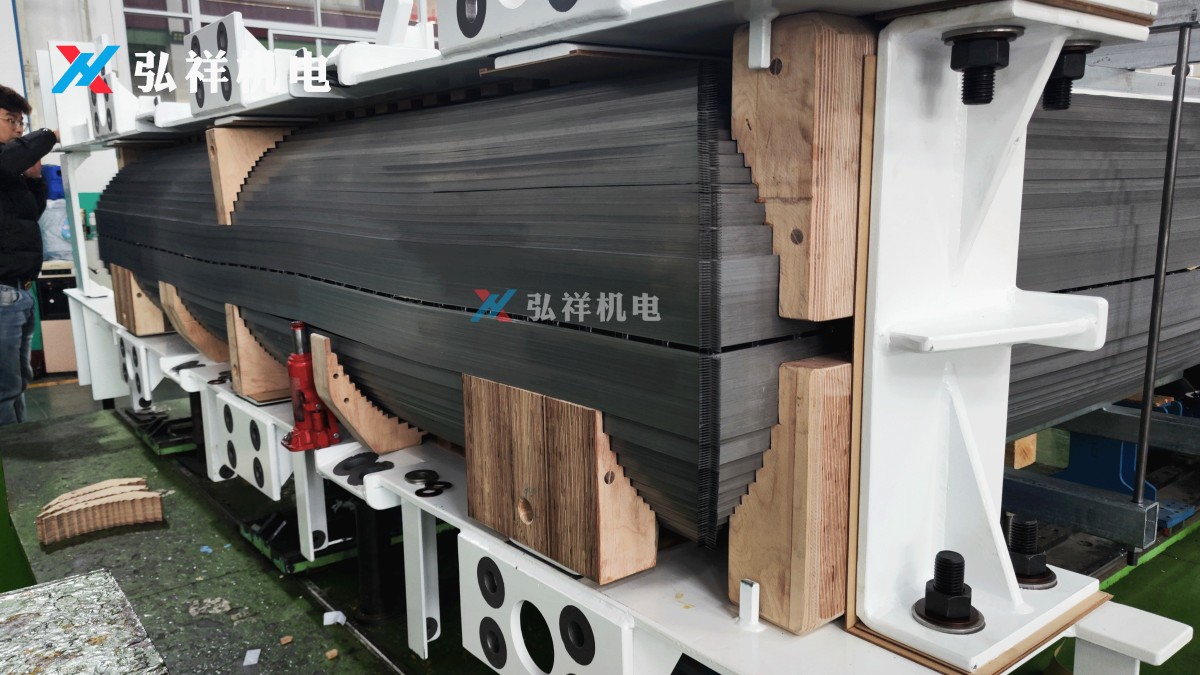
The market signal has changed: low purchase price is no longer the safest financial choice
Across the machine tool equipment sector, buyer priorities are shifting. In the past, many laminated wood processors focused on the first invoice amount and tried to reduce capital expenditure as much as possible. Today, the market is less forgiving. Delivery schedules are tighter, labor costs are rising, quality requirements are becoming more consistent, and unplanned shutdowns can disrupt orders within 24 to 72 hours. That change makes Cost-effective laminated wood processing equipment a broader financial question, not a simple bargain hunt.
This trend is especially visible in companies serving transformer manufacturing, insulating laminated wood production, electrical insulating cardboard processing, and related insulating parts applications. In these segments, dimensional stability, repeatability, and process continuity matter more than they did five or ten years ago. A machine that appears 15% to 25% cheaper at procurement may generate higher cost per finished part after 6 to 18 months of operation if its precision drifts, tool wear is excessive, or service response is slow.
For finance approvers, the real signal is this: purchasing behavior is moving from price-first to lifecycle-value-first. This does not mean the most expensive machine is automatically the best decision. It means the definition of Cost-effective laminated wood processing equipment now includes uptime, process stability, maintenance frequency, operator learning time, spare parts access, and supplier support over a multi-year period.
Why this shift is accelerating
Several forces are pushing this change at the same time. First, downstream customers expect more consistent product quality in insulating materials used for electrical equipment. Second, many factories can no longer absorb repeated machine stoppages because order planning is tighter and inventory buffers are smaller than before. Third, special-machine demand is increasing in fields connected to automation and artificial intelligence manufacturing, where production interruptions are more visible in financial reporting.
- Production lead times are under pressure, so a 1-day stoppage can affect several process steps.
- Material waste is more expensive when laminated wood and insulating materials require controlled dimensions and surface quality.
- Operators need shorter training cycles, often within 1 to 3 weeks, rather than long adaptation periods.
- Cross-border procurement requires better remote support and clearer spare parts planning.
These signals explain why financial teams are asking more detailed questions before approving equipment budgets. The issue is no longer whether a machine can run. The issue is whether it can run predictably enough to protect margin, customer delivery performance, and future capacity planning.
The hidden cost curve behind low-price laminated wood processing equipment
The biggest mistake in equipment evaluation is treating the purchase price as the main cost. In laminated wood processing, hidden costs often appear in small but repeated losses: extra trimming, calibration drift, inconsistent feed stability, repeated setup adjustments, bearing replacement, electrical faults, and long waiting periods for technical support. These issues rarely look dramatic in one month, but over 12 to 36 months they can exceed the original savings from buying a cheaper machine.
A useful financial approach is to compare annualized ownership cost instead of invoice price alone. For example, if a lower-cost machine saves $8,000 at purchase but creates 4% more scrap, 6 to 10 additional maintenance events per year, and 40 to 80 extra hours of downtime, the apparent savings can disappear quickly. In many processing environments, one unstable machine affects upstream material preparation and downstream assembly schedules at the same time.
The following comparison shows how the cost pattern often changes after installation. It is designed for finance teams reviewing Cost-effective laminated wood processing equipment for medium-volume or continuous-use production lines.
The key interpretation is not that every low-price machine performs poorly. The point is that cheaper equipment usually leaves less room for component quality, process refinement, training, and after-sales coverage. For financial approval, this increases uncertainty. And uncertainty itself is a cost, because it weakens forecast accuracy for maintenance budget, output planning, and gross margin protection.
The most common hidden losses
Operational losses that do not show on the purchase order
When evaluating Cost-effective laminated wood processing equipment, finance teams should look beyond hardware and ask how the machine behaves in daily production. A machine that requires frequent manual correction consumes labor minutes in every shift. If that happens 3 to 5 times per day, the annual cost is no longer minor. The same applies to material waste: small dimensional inconsistency in laminated wood processing can increase discard rates and reduce usable yield.
- Extra setup and calibration time at shift start or product changeover
- Higher scrap and rework due to inconsistent cutting or forming results
- Emergency repairs that interrupt not one machine, but an entire process chain
- Longer operator training because controls or documentation are not well structured
In many factories, these losses are spread across maintenance, production, and quality departments, so no single invoice reveals the full burden. That is why the equipment seems cheap while the business result becomes expensive later.
What is driving the new preference for genuinely Cost-effective laminated wood processing equipment
The preference for better-balanced equipment is not only a technical trend. It is driven by business model changes. Transformer-related production, insulating material processing, and custom machinery manufacturing increasingly require shorter changeovers, stable batch output, and easier integration into planned production systems. As a result, machines that deliver predictable performance over 3 to 5 years are being valued more highly than machines that simply minimize initial spending.
Another driver is the shift toward broader supplier responsibility. Buyers are no longer purchasing only equipment; they are evaluating training, installation, commissioning, after-sales support, and long-term parts coordination. For exporters and globally oriented manufacturers, this matters even more. If a machine is placed in Southeast Asia, South America, India, Pakistan, Russia, or another external market, support responsiveness can influence payback speed as much as spindle power or table size.
This next table summarizes the main forces behind current buying behavior in laminated wood processing and related machine tool applications.
The interpretation for finance is straightforward: the market now punishes variability more than before. Equipment that protects process continuity often creates a better return profile, even if its purchase price is not the lowest among three or four bids.
Supplier capability is becoming part of the asset value
A machine supplier with integrated R&D, design, production, installation, training, and after-sales service can reduce handoff risk during the project cycle. That matters for companies buying laminated wood processing machinery for specialized insulating material applications. When process know-how and service capability sit closer together, commissioning can be smoother, problem diagnosis can be faster, and customization discussions become more practical.
For businesses that also need related capabilities such as insulating cardboard processing, insulating part manufacturing, EVA molding processing, or support for special machine manufacturing, a supplier with broader manufacturing understanding may help reduce future adaptation cost. This is increasingly relevant when buyers want one investment to serve multiple product categories over the next 24 to 60 months.
How these changes affect financial approvers more directly than before
Financial approvers are no longer only gatekeepers of capital spending. In equipment-intensive production, they are increasingly responsible for reviewing risk concentration. A cheaper machine may not only affect maintenance cost; it can also affect revenue timing, customer retention, working capital, and expansion planning. That makes the decision more strategic than a standard purchase comparison.
In laminated wood processing, there are several practical questions finance teams should ask before approving a low-price offer. How many shifts will the machine run per day: 1, 2, or 3? How many product types will it change between each week? What is the expected preventive maintenance interval: monthly, quarterly, or based on operating hours? Is remote support available within the first fault window, or does the plant wait several days for diagnosis? Each answer affects the real cost structure.
A finance-led review can improve decision quality when it connects machine selection with output assumptions. If projected utilization is above 65% to 75%, the cost of instability rises quickly. In that range, Cost-effective laminated wood processing equipment should be judged on throughput stability and support readiness, not only on entry price.
A practical approval framework
Questions worth validating before final sign-off
To align equipment buying with financial discipline, review these points in a structured way rather than relying on a single commercial quote.
- Define the target production load in hours per week and expected annual operating intensity.
- Estimate the acceptable downtime threshold, such as less than 2% to 4% of planned running time.
- Compare training, commissioning, and service response as part of the investment package.
- Check whether the machine supports your material range, product dimensions, and process tolerance expectations.
- Review spare parts availability for the first 12 months and the expected replacement cycle for wear components.
- Ask whether future customization or process expansion is possible without replacing the whole system.
This framework helps identify whether a quoted machine is truly Cost-effective laminated wood processing equipment or merely a low-price asset with delayed liabilities. For finance teams, that distinction is critical because maintenance and quality losses usually appear after approval, when recovery options are fewer and more expensive.
What companies should watch next when evaluating laminated wood processing investments
The next phase of decision-making will likely focus on flexibility and service integration. Buyers increasingly want equipment that can handle product variation without major productivity loss. They also want support models that reduce the gap between installation and stable operation. This is important in sectors connected to transformer assembly manufacturing and electrical insulation material processing, where specifications can shift with customer requirements.
Another signal worth watching is whether the supplier can support both standard production and specialized machine development. As manufacturing becomes more automated, companies need equipment partners that understand both conventional processing and custom adaptation. This does not mean every buyer needs a highly complex system. It means future-ready investment decisions should consider whether the machine platform can evolve over a 3-year to 5-year horizon.
For businesses comparing multiple vendors, the smartest near-term move is to treat Cost-effective laminated wood processing equipment as a combined evaluation of machine quality, process fit, and service capability. Short-term savings still matter, but they should be tested against total operating impact, especially for plants with export commitments, multi-shift production, or strict quality consistency needs.
Signals that a quote deserves closer review
- The quoted price is significantly lower, but service scope, commissioning, or training is unclear.
- Machine configuration details do not explain how stability and repeatability are maintained.
- There is no practical discussion of spare parts, wear items, or support lead time.
- The supplier does not ask about product type, material characteristics, or output targets.
- The offer looks attractive initially but leaves key lifecycle costs undefined.
When these signals appear, the right response is not automatic rejection. It is deeper due diligence. In a trend-driven market, disciplined comparison is often what separates an economical investment from an expensive compromise.
Why choosing the right partner matters as much as choosing the right machine
Gaomi Hongxiang Electromechanical Technology Co., Ltd. serves global customers with assembly and manufacturing services for power transformers and supports the processing of electrical insulating cardboard, insulating laminated wood, and insulating parts, together with EVA molding processing and special machine manufacturing support. For buyers in the machine tool equipment field, this broader application background matters because equipment decisions are rarely isolated from production reality.
A supplier that integrates R&D and design, production, sales, installation, training, and after-sales service can help financial approvers reduce uncertainty at multiple stages: equipment selection, technical confirmation, commissioning, operator readiness, and post-installation support. This is particularly valuable when laminated wood processing projects involve customized requirements, export delivery, or the need to align machine performance with broader insulating material production goals.
If your team is comparing Cost-effective laminated wood processing equipment, we can support a more informed review process. You can contact us to discuss parameter confirmation, machine selection, delivery cycle expectations, custom solution planning, sample processing support, process matching for insulating laminated wood applications, and quotation communication based on your real production targets. A sound equipment decision starts with the right technical and financial questions, and those questions are best answered before hidden costs begin to appear.
NAVIGATION
MESSAGE
Request A Quote?